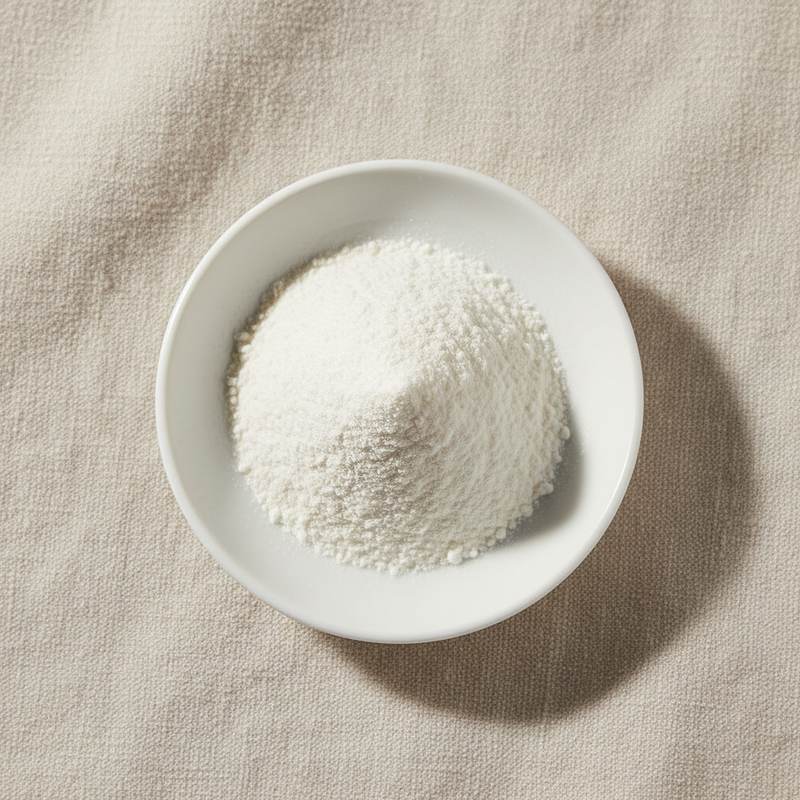
Description
A linear polysaccharide composed of D-glucosamine and N-acetyl-D-glucosamine units, produced by alkaline deacetylation of chitin. The most widely used animal-derived fiber in lipid-binding and weight-management supplement applications.
Insoluble in water at neutral pH; freely soluble in dilute acid where the protonated amino groups carry a positive charge. This cationic property is the basis for chitosan's binding affinity for fatty acids, bile acids, and a wide range of anionic substances.
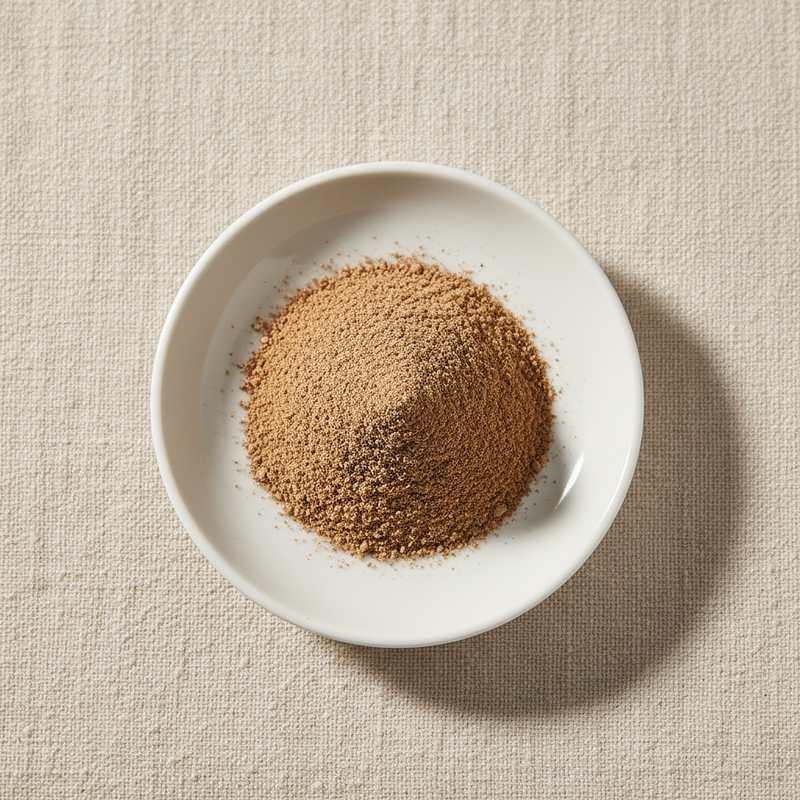
Off-white to pale yellow flakes or powder. Functions as a fat-binding fiber in supplements, a flocculant in water treatment and beverage clarification, and a film former in food preservation and biomedical applications.
We supply food-grade and pharmaceutical-grade Chitosan from manufacturers in China holding ISO, HACCP, Halal, Kosher, and traceability certifications relevant to the product and production. Both shrimp- and crab-shell-derived and fungal-derived (allergen-free, vegan) grades are available.
Common market grades include 85 to 95 percent deacetylation degree, viscosities from 50 to 3,000 mPa·s (1 percent in 1 percent acetic acid), and molecular weights from low (under 50 kDa) to high (over 700 kDa). USP-grade and EP-grade materials are available for pharmaceutical use.
Bulk and reduced-MOQ shipments. Batch-level COA covering deacetylation degree, viscosity, molecular weight, moisture, ash, heavy metals, and microbiology.
Introduction
Chitosan is produced by alkaline deacetylation of chitin, the second most abundant natural polymer after cellulose. Industrial chitin is recovered from shellfish processing waste (shrimp and crab shells) through demineralization with dilute acid, deproteinization with dilute alkali, and decolorization. The resulting chitin is then heated in concentrated sodium hydroxide to remove acetyl groups, yielding chitosan at the target deacetylation degree.
Fungal-derived chitosan, extracted from filamentous fungi including Aspergillus niger biomass from citric-acid fermentation, has emerged as a vegan and shellfish-allergen-free alternative. Functional properties differ slightly: fungal chitosan typically has lower molecular weight and narrower polydispersity than crustacean grades.
Regulatory status varies by application and jurisdiction. The U.S. FDA has issued favorable GRAS notifications for chitosan in specified food categories. Japan's MHLW recognizes chitosan as a Food for Specified Health Use (FOSHU) ingredient for cholesterol reduction. The EU permits use in dietary supplements; EFSA has issued a qualified Article 13.1 claim for blood cholesterol maintenance at 3 g per day.
Strategic positioning in the supplement category is built on the cationic fatty-acid-binding mechanism, with the EFSA cholesterol-maintenance claim providing regulatory cover in Europe. In water treatment and beverage clarification, chitosan competes with synthetic polyelectrolytes on a natural-origin and biodegradability narrative. The biomedical segment is the highest-margin application, where USP and EP pharmaceutical-grade chitosan supports wound dressings, hemostatic devices, and controlled-release drug delivery systems.
Where it is used
- Weight-management and lipid-binding dietary supplements (the dominant supplement application worldwide)
- Cholesterol-management formulas
- Wound dressing and hemostatic biomedical products
- Water treatment and beverage clarification (juice, beer, wine)
- Food preservation as a natural antimicrobial film former
- Cosmetics and personal care for hair, skin, and oral-care
- Agriculture as a plant elicitor and biopesticide
- Slow-release pharmaceutical formulations
Technical data
| Item | Specification |
|---|---|
| Appearance | Off-white to pale yellow flakes or powder |
| Source | Crustacean shell (shrimp/crab) or fungal mycelium |
| Deacetylation degree | ≥ 85.0% (standard), ≥ 95.0% (premium) |
| Viscosity (1% in 1% acetic acid) | 50 to 3,000 mPa·s (grade-dependent) |
| Moisture | ≤ 10.0% |
| Ash | ≤ 1.0% |
| Insoluble matter | ≤ 1.0% |
| Protein residue | ≤ 0.5% |
| Particle size | 40 to 200 mesh; per customer specification |
| Heavy metals (as Pb) | ≤ 2 mg/kg |
| Arsenic | ≤ 1 mg/kg |
| Total plate count | ≤ 1,000 CFU/g |
| Yeast and mold | ≤ 100 CFU/g |
| E. coli and Salmonella | Negative |
Related ingredients
Ready to discuss business?
Send us your spec and requirement. We will respond with availability and pricing within 24 hours.