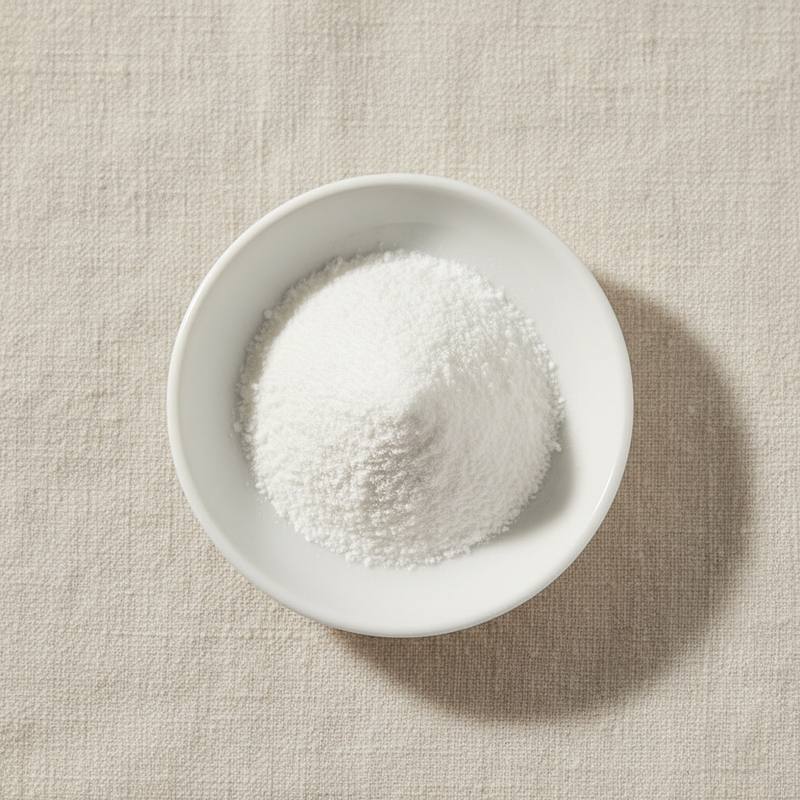
Description
A short-chain prebiotic fiber composed of 2 to 8 galactose units terminated by a glucose unit, produced by transgalactosylation of lactose using beta-galactosidase. The principal prebiotic in modern infant formula.
Mildly sweet (approximately 30 to 35 percent of sucrose sweetness). Highly water-soluble, heat-stable, and acid-stable under most food-processing conditions. Selectively fermented by Bifidobacterium species, particularly the infant-associated B. infantis and B. longum.
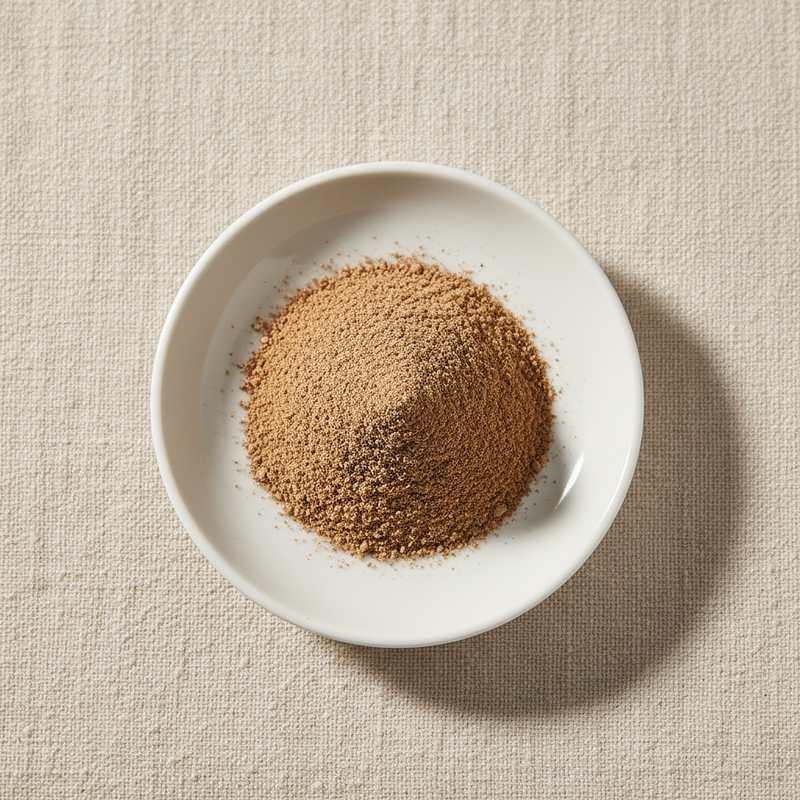
White to light yellow powder, or 70 to 75 percent solids syrup. GOS content typically 28 to 90 percent depending on grade, with the balance composed of unreacted lactose, glucose, and galactose.
We supply food-grade Galacto-Oligosaccharides from manufacturers in China holding ISO, HACCP, Halal, Kosher, and Non-GMO Project certifications relevant to the product and production. Low-lactose grades are available for adult-nutrition and lactose-intolerance positioning.
Common market grades include GOS 28 percent syrup (the original infant-formula format), GOS 57 percent syrup, GOS 70 percent and 90 percent powder, and lactose-reduced premium grades.
Bulk and reduced-MOQ shipments. Batch-level COA covering GOS content (HPLC), residual lactose, glucose and galactose, moisture, ash, heavy metals, and microbiology.
Introduction
Galacto-Oligosaccharides are produced by enzymatic transgalactosylation of lactose: beta-galactosidase, in the presence of high-concentration lactose, transfers galactose units onto lactose acceptor molecules to yield short-chain galacto-oligosaccharides. The reaction is product-specific and depends on enzyme source and process control.
The structural similarity of GOS to the galactose-rich human milk oligosaccharides (HMOs) underpins its dominant position in infant formula. While not identical to HMOs, GOS supports the bifidogenic shift in the infant gut microbiota that distinguishes breastfed from formula-fed infants. Commercial infant formula typically includes a 9:1 blend of GOS and short-chain FOS (scGOS/lcFOS) at 0.8 g per 100 mL.
Regulatory status is among the strongest of any prebiotic. The U.S. FDA recognized GOS as a dietary fiber under the 2018 update. The EU permits dietary-fiber labeling and infant-formula use under Commission Delegated Regulation 2016/127. EFSA, JECFA, and major national authorities have issued favorable safety opinions. China's NHC permits GOS in infant and adult food categories.
Against FOS, GOS commands a price premium reflecting infant-grade specification, dairy-stream sourcing complexity, and the structural relevance to human milk. Against inulin, GOS is preferred where short-chain fermentation in the proximal colon is the target. The principal commercial supply is concentrated among a small number of dairy-integrated manufacturers in the Netherlands, Japan, New Zealand, and China.
Where it is used
- Infant and follow-on formula prebiotic fortification (the dominant application worldwide)
- Pediatric nutrition and toddler milk products
- Adult fermented milk, yogurt, and dairy beverages
- Dietary supplements and synbiotic formulas
- Functional beverages positioned for digestive health
- Bakery and snacks with fiber-claim positioning
- Clinical and medical nutrition
- Animal nutrition including piglet starter feeds
Technical data
| Item | Specification |
|---|---|
| Appearance | White to light yellow powder or colorless to light yellow syrup |
| Source | Enzymatic transgalactosylation of lactose |
| GOS content (HPLC, dry basis) | ≥ 28.0% (syrup) to ≥ 90.0% (powder) |
| DP distribution | DP 2 to 8 |
| Moisture (powder) | ≤ 5.0% |
| Dry matter (syrup) | ≥ 70.0% |
| Lactose (residual) | Per grade specification |
| Ash | ≤ 1.0% |
| pH (10% solution) | 5.0 to 7.0 |
| Heavy metals (as Pb) | ≤ 1 mg/kg |
| Arsenic | ≤ 0.5 mg/kg |
| Total plate count | ≤ 1,000 CFU/g |
| Yeast and mold | ≤ 50 CFU/g |
| E. coli and Salmonella | Negative |
Related ingredients
Ready to discuss business?
Send us your spec and requirement. We will respond with availability and pricing within 24 hours.