Description
An orange-red xanthophyll carotenoid extracted from brown seaweeds (principally Laminaria japonica, Undaria pinnatifida, and Sargassum species). Used in weight-management and metabolic-health dietary supplements as a thermogenic and lipid-modulating active.
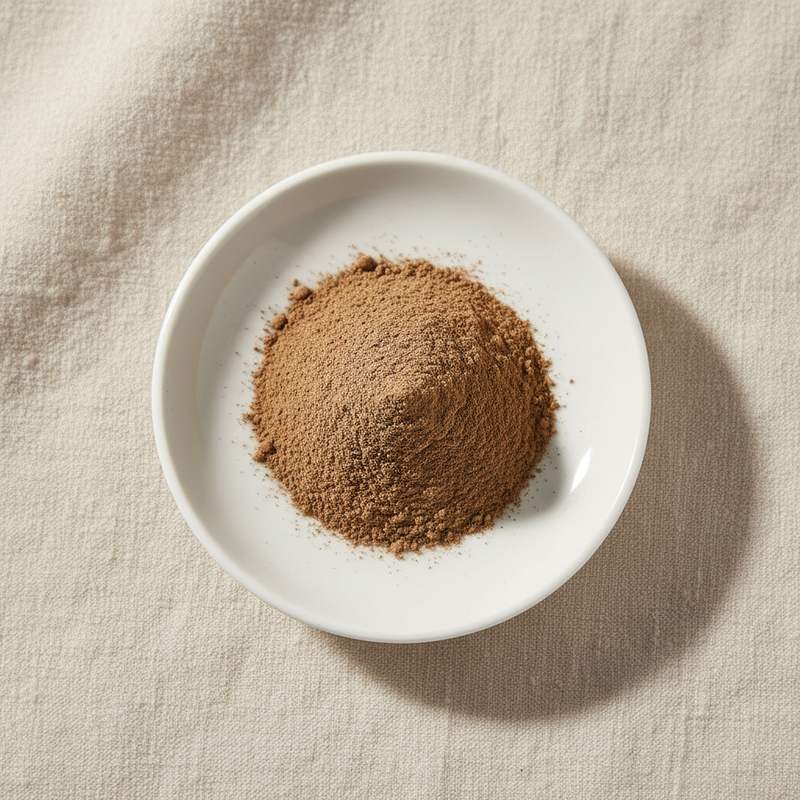
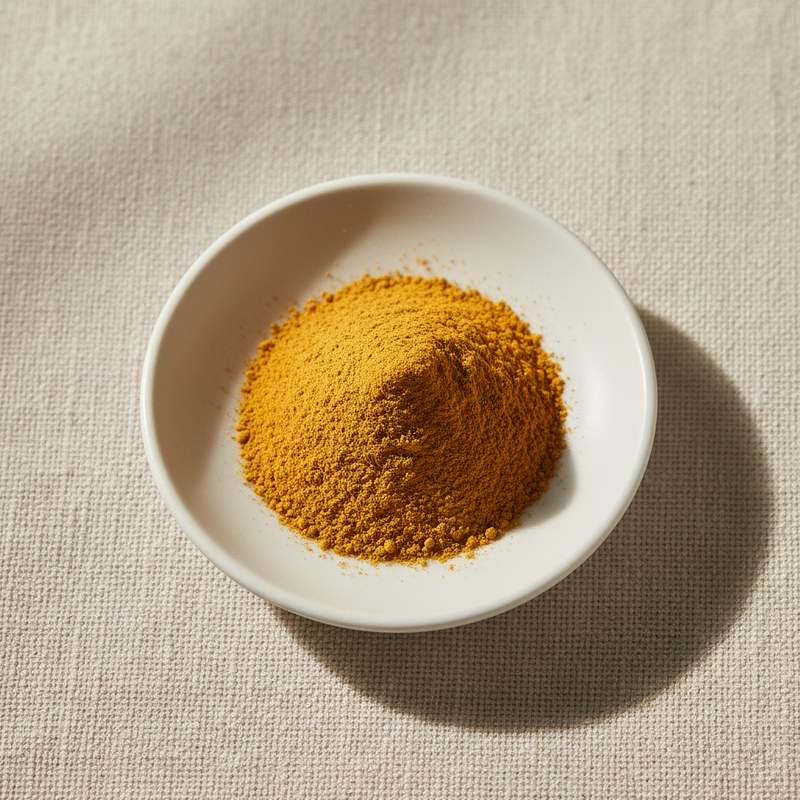
Reddish-orange to dark red free-flowing powder, oleoresin, or oil suspension. Highly oxidation-sensitive; supplied with antioxidant stabilization in protected packaging.
We supply food-grade Fucoxanthin from manufacturers in China holding ISO, Halal, Kosher and other certifications relevant to the product and production.
Common market grades include Fucoxanthin 1 percent Oleoresin (cost-effective baseline), Fucoxanthin 5 percent Oleoresin (standard supplement grade), Fucoxanthin 10 percent Oleoresin (premium grade), Fucoxanthin 20 percent Powder (microencapsulated premium grade), and Fucoxanthin 50 percent or higher Pharmaceutical Grade (high-purity isolated compound for research applications).
Bulk and reduced-MOQ shipments. Batch-level COA covering fucoxanthin content (HPLC), total carotenoids, iodine content (a regulatory concern with seaweed-derived ingredients), residual solvents, heavy metals (with particular attention to arsenic in seaweed-derived material), and microbiology.
Introduction
Fucoxanthin is one of the most abundant carotenoids in marine ecosystems, accounting for over 10 percent of total natural carotenoid production globally. The compound was identified in the late 19th century and emerged as a commercially significant dietary supplement ingredient in the 2000s following Japanese research demonstrating thermogenic and lipid-modulating activity through UCP1 expression in white adipose tissue.
Industrial production proceeds by solvent extraction of dried brown seaweed biomass (principally Laminaria japonica kombu, Undaria pinnatifida wakame, and Sargassum species), followed by chromatographic purification, decolorization of co-extracted chlorophylls, and formulation into oleoresin, microencapsulated powder, or oil-suspension formats.
Recognized as a permitted food ingredient in most Asian markets; classified as a Novel Food in the EU pending specific approvals; treated as a dietary supplement ingredient in the U.S.
Clinical evidence supports modest weight-loss benefits at appropriate doses (typically 2.4 to 8 mg of fucoxanthin per day, often combined with pomegranate seed oil in the most-studied commercial format), with a 16-week Russian trial showing approximately 5 kg weight loss versus 1.5 kg in placebo. The compound is among the more rigorously-supported botanical thermogenic ingredients.
Strategic positioning targets the weight-management dietary supplement segment globally, with growing applications in metabolic-health and cosmetic skincare positioning.
Where it is used
- Weight-management dietary supplements: thermogenic and fat-burning positioning (the dominant commercial application)
- Metabolic-health and blood-sugar-support formulations
- Combination weight-management formulas with green tea, capsaicin, and L-carnitine
- Cosmetic skincare: anti-aging and photoprotection-positioned formulations
- Premium functional beverages: thermogenic wellness shots
- Pharmaceutical research applications including diabetes and obesity research
- Premium pet supplements positioned for weight management
Technical data
| Item | Specification |
|---|---|
| Appearance | Reddish-orange to dark red oleoresin, powder, or oil suspension |
| Fucoxanthin content (HPLC) | 1% / 5% / 10% / 20% / 50%+ (grade dependent) |
| Total carotenoids | ≥ 1.1 times fucoxanthin content |
| Iodine content | declared per grade (regulatory disclosure) |
| Arsenic (total) | ≤ 1.0 mg/kg |
| Heavy metals (as Pb) | ≤ 2 mg/kg |
| Residual solvents | Within ICH Q3C limits |
| Source | Laminaria japonica, Undaria pinnatifida, Sargassum species |
Related ingredients
Ready to discuss business?
Send us your spec and requirement. We will respond with availability and pricing within 24 hours.