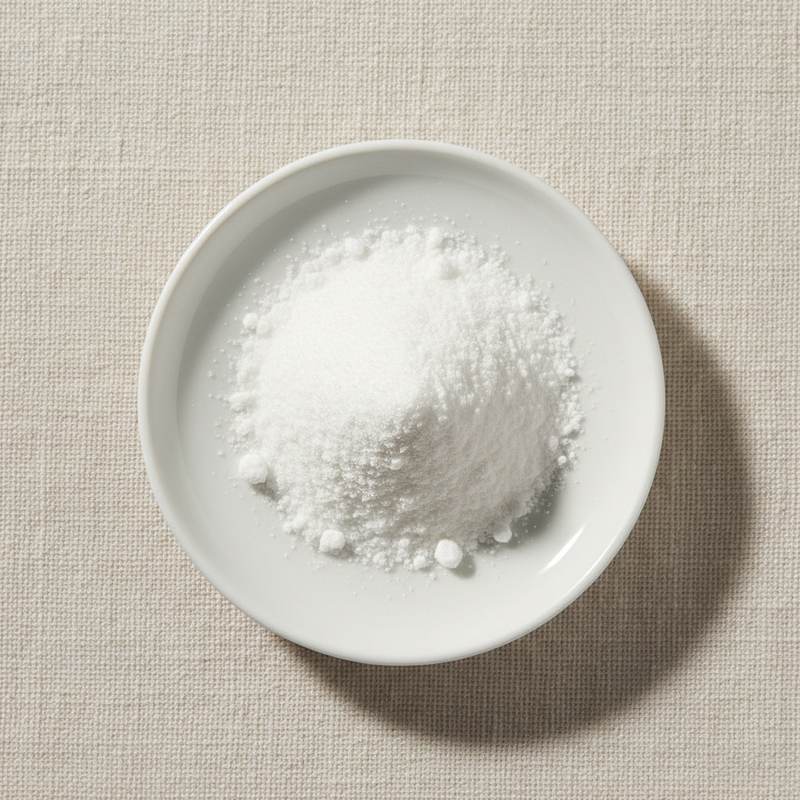
Description
A non-proteinogenic amino acid derivative essential for transport of long-chain fatty acids into mitochondria for energy production. Used widely in sports nutrition, infant formula, energy drinks, and pharmaceutical applications including fatty-acid-oxidation disorders.
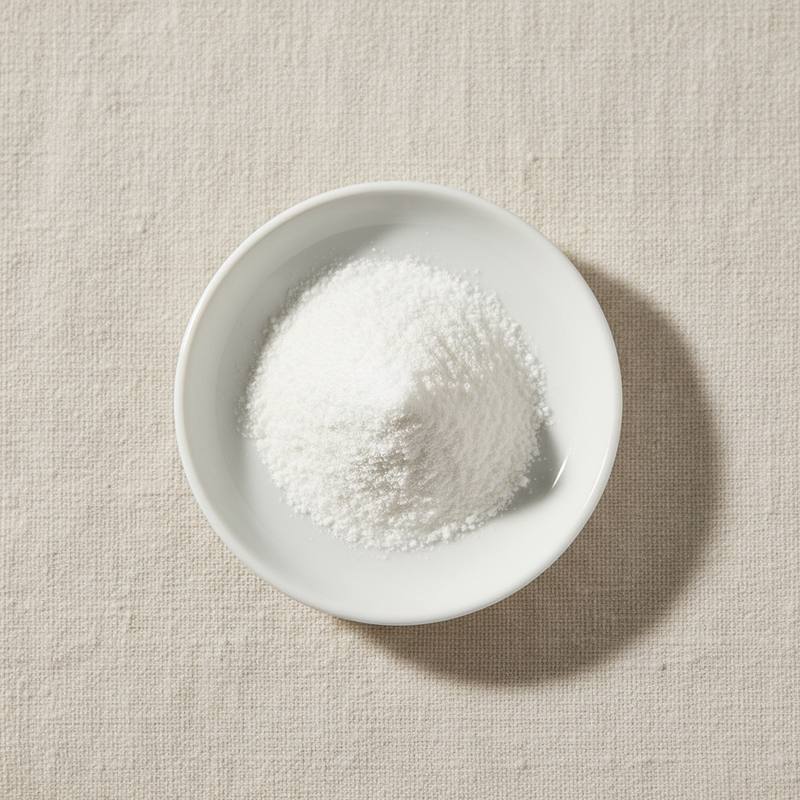
White crystalline powder. Highly hygroscopic; requires sealed protected packaging.
We supply food-grade and pharmaceutical-grade L-Carnitine from manufacturers in China holding ISO, Halal, Kosher and other certifications relevant to the product and production.
Common market grades include L-Carnitine Base 99 percent (the food and supplement workhorse), L-Carnitine Hydrochloride (alternative salt form for handling stability), Pharmaceutical Grade meeting USP specifications, Liquid L-Carnitine (40 to 50 percent solution for beverage manufacturing), and Pre-blended Carnitine Salts (Tartrate, Fumarate, Acetyl variants in separate catalog entries).
Bulk and reduced-MOQ shipments. Batch-level COA covering assay, specific rotation, D-Carnitine impurity, water content, heavy metals, and microbiology.
Introduction
L-Carnitine was discovered in 1905 and identified as essential for fatty-acid transport in 1955. The compound is a non-proteinogenic amino acid derivative produced in the human body from lysine and methionine, with dietary intake supplementing endogenous synthesis.
Industrial production proceeds by either chemical synthesis from epichlorohydrin (yielding racemic DL-carnitine that requires enzymatic resolution to L-carnitine) or by submerged aerobic fermentation using engineered microorganisms.
Recognized as a permitted food ingredient by the U.S. FDA, the European Food Safety Authority, and equivalent regulators worldwide. Listed in USP and other pharmacopoeias for pharmaceutical applications.
The molecule's biological function as the obligate carrier for long-chain fatty acid entry into mitochondria underpins both the clinical applications (fatty-acid-oxidation disorder management) and the sports-supplement positioning (fat-loss and energy support). The clinical evidence for L-Carnitine in fat loss in healthy non-deficient individuals remains debated, but consumer demand for fat-loss positioning has supported substantial supplement market growth.
Strategic positioning combines pharmaceutical clinical applications (the highest unit value), infant formula (mandatory fortification in regulated markets), sports nutrition (the largest volume), and broader energy and weight-management supplements.
Where it is used
- Sports nutrition: fat-burner and energy-positioned formulations (the largest commercial application by value)
- Energy drinks: ingredient in many premium energy and recovery beverages
- Infant formula fortification: mandatory in many regulated markets because carnitine is conditionally essential for infants
- Pharmaceutical applications: primary carnitine deficiency treatment, fatty-acid-oxidation disorder management
- Dietary supplements: weight-management and cardiovascular-support formulations
- Clinical nutrition: hemodialysis patient support and parenteral nutrition
- Pet food fortification: cats specifically benefit from supplemental carnitine
- Aquaculture feed: improves fat utilization and growth performance
Technical data
| Item | Specification |
|---|---|
| Appearance | White crystalline powder |
| Assay (dry basis) | 97.0% to 103.0% |
| Specific rotation | −29.0° to −32.0° |
| D-Carnitine impurity | ≤ 0.5% |
| Loss on drying | ≤ 4.0% |
| Heavy metals (as Pb) | ≤ 10 mg/kg |
| pH (5% solution) | 5.5 to 9.5 |
| Particle size | Per customer specification |
Related ingredients
Ready to discuss business?
Send us your spec and requirement. We will respond with availability and pricing within 24 hours.