Description
A high-galactose galactomannan extracted from the seed endosperm of Trigonella foenum-graecum. Distinguished from Guar and Locust Bean Gum by an exceptionally high galactose content (mannose:galactose ratio approximately 1:1) which produces unique cold-water solubility, low gelation propensity, and pronounced surface-active behavior.
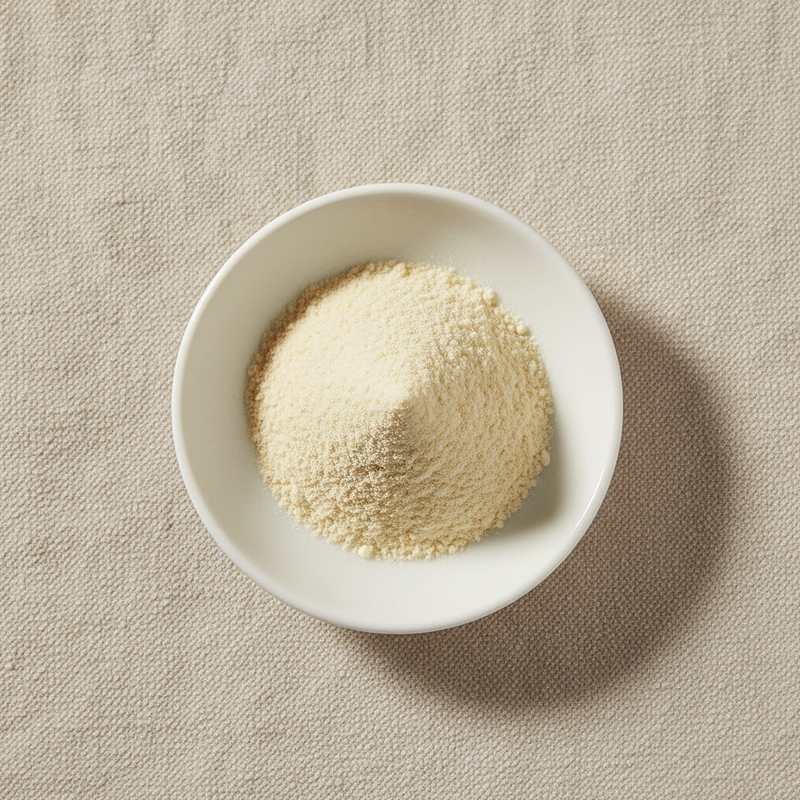
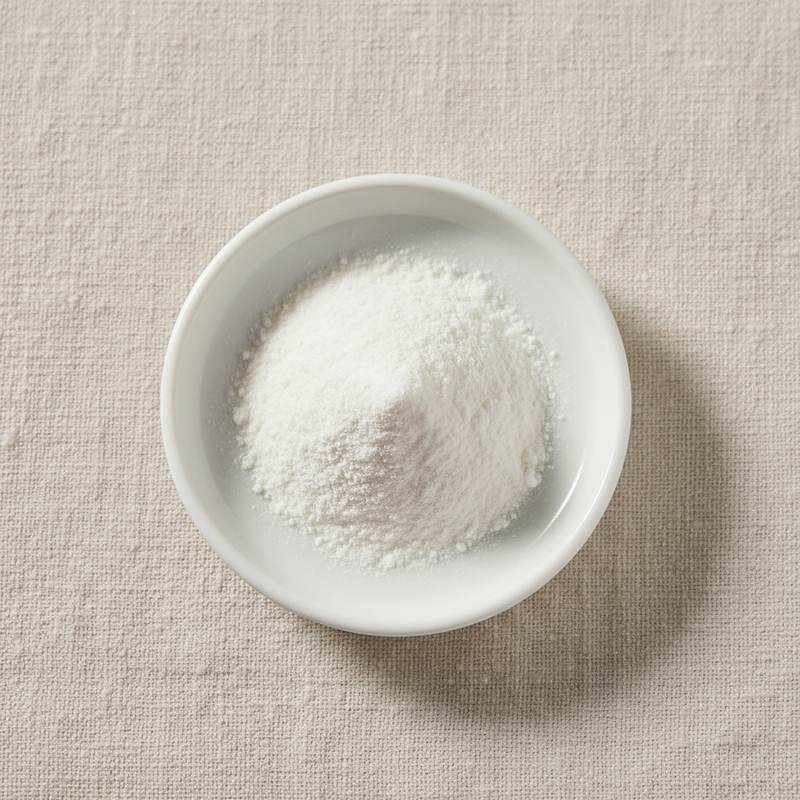
Pale yellow to off-white free-flowing powder. Hydrates readily in cold water to produce smooth viscous solutions with modest viscosity development and useful emulsification function.
We supply food-grade Fenugreek Gum from manufacturers in China holding ISO, Halal, Kosher and other certifications relevant to the product and production. Non-GMO is inherent to the source.
Common market grades include Standard Food Grade (the principal format for functional beverages and dietary fiber applications), High-Purity Grade for nutraceutical use, and Defatted Powder for low-flavor applications.
Bulk and reduced-MOQ shipments. Batch-level COA covering viscosity, galactomannan content, protein, heavy metals, and microbiology.
Introduction
Fenugreek has been cultivated for at least 4,000 years across the Mediterranean, India, and the Middle East as a culinary spice, fodder crop, and traditional medicinal ingredient. Industrial gum extraction is a recent development driven by interest in the documented blood-sugar and lipid-lowering effects of fenugreek soluble fiber.
Industrial production proceeds by mechanical de-hulling and de-germination of fenugreek seeds to isolate the endosperm, then milling to produce a galactomannan-rich powder. A defatted variant is produced by solvent extraction of the seed oil before endosperm separation, yielding a low-flavor product suitable for neutral-taste beverage applications.
Not assigned a specific E number; regulated as a botanical ingredient in the EU, classified as Generally Recognized as Safe by the U.S. FDA for use in foods at customary levels, and an established traditional ingredient across Asia and the Mediterranean.
The molecule is a galactomannan with mannose:galactose ratio close to 1:1, exceptionally high galactose substitution compared with Guar (1:2) and Locust Bean (1:4). This high substitution produces full cold-water solubility, minimal intermolecular aggregation, and unusual surface activity that supports emulsification function.
Strategic positioning targets functional fiber, diabetic-support, and lipid-lowering beverage applications where the published clinical evidence on fenugreek fiber and 4-hydroxyisoleucine supports specific health claims. Use in conventional thickening applications is limited by cost and the characteristic fenugreek flavor of non-defatted grades.
Where it is used
- Functional fiber beverages and weight-management drinks; soluble fiber positioning with blood-sugar and lipid claims supported by published trials
- Salad dressings and sauces requiring emulsion stabilization combined with thickening
- Diabetic and metabolic-support nutritional products
- Bakery applications: dough conditioner and fiber fortification
- Plant-based dairy and meat alternatives: emulsification and texture
- Pet food: fiber fortification and palatability enhancement
- Pharmaceutical fiber supplements and bulk laxative formulations
- Cosmetic hair-care and skincare formulations seeking botanical positioning
Technical data
| Item | Specification |
|---|---|
| Appearance | Pale yellow to off-white free-flowing powder |
| Galactomannan content | ≥ 75.0% |
| Mannose:galactose ratio | Approximately 1:1 |
| Viscosity (1% solution) | 800 to 1500 cP |
| Loss on drying | ≤ 10.0% |
| Protein | ≤ 5.0% |
| Ash | ≤ 4.0% |
| Heavy metals (as Pb) | ≤ 5 mg/kg |
| Arsenic | ≤ 3 mg/kg |
| Total plate count | ≤ 5000 cfu/g |
Related ingredients
Ready to discuss business?
Send us your spec and requirement. We will respond with availability and pricing within 24 hours.