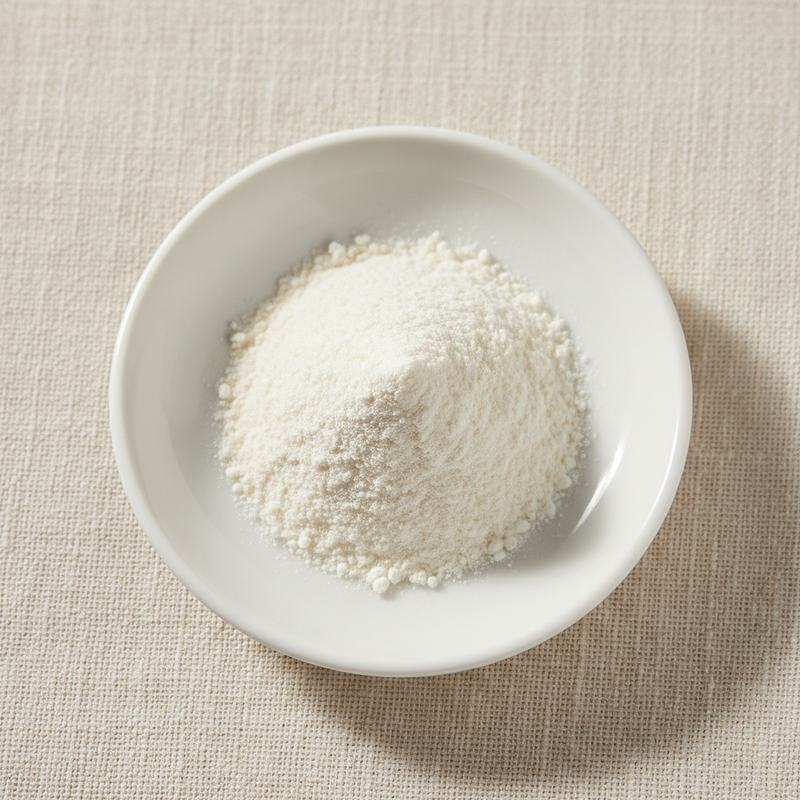
Description
A natural antimicrobial polypeptide produced by fermentation of Streptomyces albulus, consisting of 25 to 35 L-lysine residues linked through epsilon-amino and alpha-carboxyl groups. The leading clean-label biopreservative for cooked rice, sushi, noodles, and other moisture-rich prepared foods.
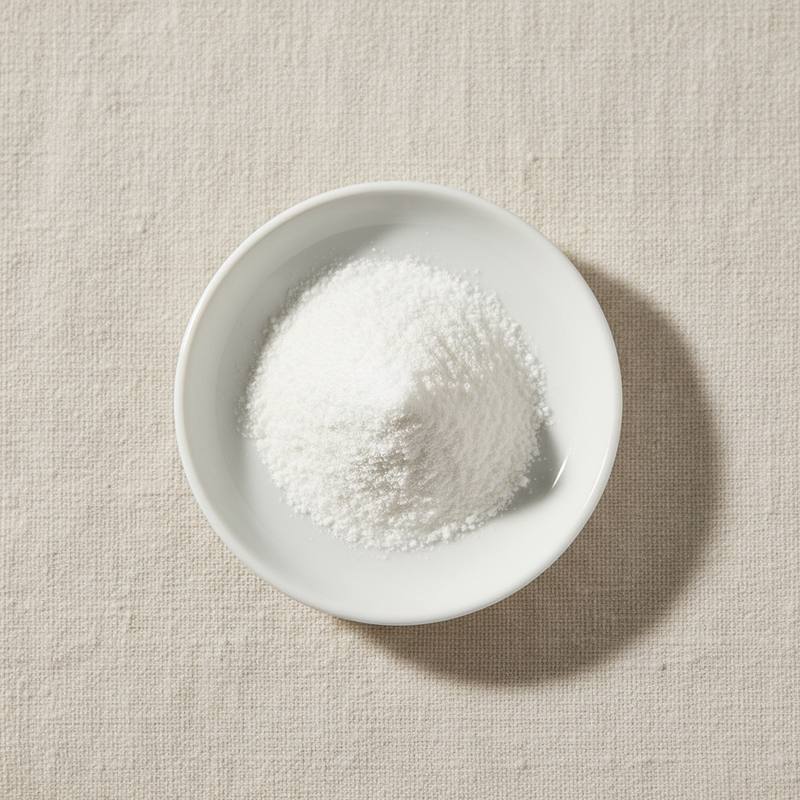
White to light yellow powder. Highly water-soluble. Stable across a wide pH range (3 to 9) and retains antimicrobial activity after autoclaving at 120 °C for 20 minutes, which is exceptional among natural preservatives.
We supply food-grade Epsilon-Polylysine from manufacturers in China holding ISO, Halal, Kosher and other certifications relevant to the product and production.
Common market grades include 25 percent active (the standard food-application grade, blended with glycine or other carriers) and 95 percent active (concentrated form for industrial users who blend their own carriers).
Bulk and reduced-MOQ shipments. Batch-level COA covering polylysine content, polymerization degree, molecular weight, residue on ignition, heavy metals, and microbiology.
Introduction
Epsilon-Polylysine is a polycationic biopolymer of L-lysine produced commercially through aerobic fermentation of Streptomyces albulus. The polymer is unique in that its peptide bonds link the epsilon-amino group of one lysine to the alpha-carboxyl group of the next, rather than the conventional alpha-to-alpha linkage found in proteins.
The antimicrobial mechanism involves electrostatic interaction between the polycationic polymer and the negatively charged microbial cell membrane, causing membrane disruption, leakage of intracellular contents, and cell death. The polymer is effective at very low use levels (10 to 500 ppm) against a broad spectrum of bacteria, yeasts, and molds.
Approved for food use in Japan since 1989 (where it is widely used in convenience-food rice), China under GB 2760, South Korea, and the United States (FDA GRAS Notice GRN 000135). The European Union has not yet approved it for general food use, though novel food authorization is in progress.
Unlike most chemical preservatives, epsilon-polylysine is a peptide that is digested as a protein in the body, yielding L-lysine and other natural amino acids. This profile underpins its growing role in clean-label preservation systems where consumers demand alternatives to synthetic preservatives.
Strategic positioning is dominated by Asian convenience-food manufacturing (cooked rice, sushi, ready meals), with rapidly growing applications in Western clean-label product development and in functional beverages where heat stability and broad-spectrum activity are required.
Where it is used
- Cooked rice and sushi: the largest single application, particularly in Japanese convenience food
- Pasta, noodles, and grain products: anti-mold and shelf-life extension
- Soy sauce, fish sauce, and fermented seasonings
- Meat, poultry, and seafood products including surimi
- Bakery and confectionery products
- Ready-to-eat salads and fresh-cut produce
- Sauces, dressings, and condiments
- Beverage preservation in functional drinks
Technical data
| Item | Specification |
|---|---|
| Appearance | White to light yellow powder |
| Assay (ε-polylysine content) | ≥ 95.0% (dry basis) |
| Polymerization degree | 25 to 35 residues |
| Molecular weight | 3,000 to 4,500 Da |
| Loss on drying | ≤ 6.0% |
| pH (1% solution) | 5.0 to 7.0 |
| Residue on ignition | ≤ 8.0% |
| Heavy metals (as Pb) | ≤ 10 mg/kg |
| Arsenic | ≤ 1 mg/kg |
| Total plate count | ≤ 1000 CFU/g |
Related ingredients
Ready to discuss business?
Send us your spec and requirement. We will respond with availability and pricing within 24 hours.