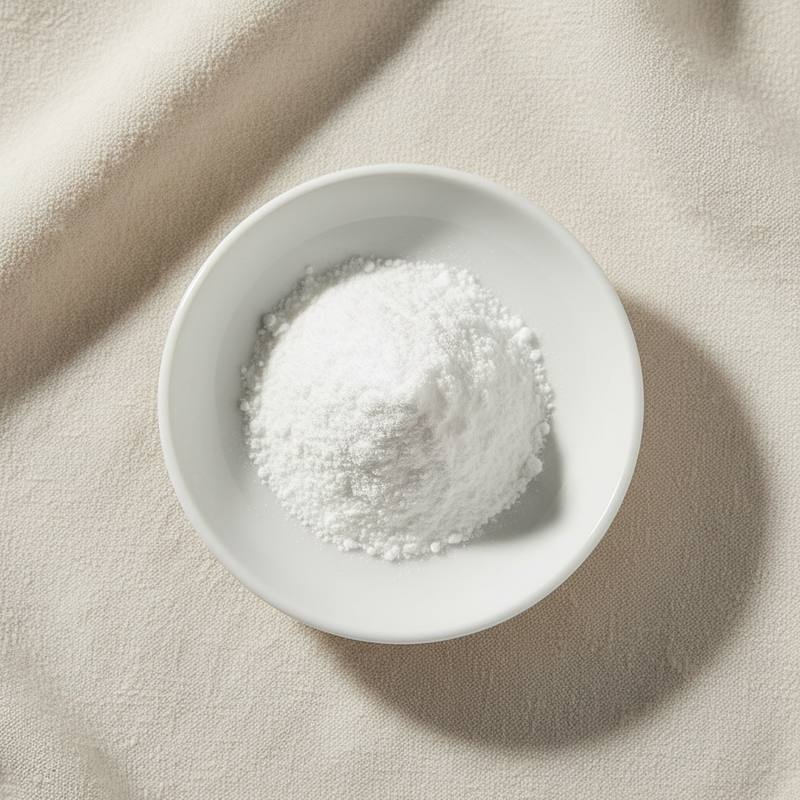
Description
A steroidal sapogenin obtained by acid hydrolysis of dioscin from wild yam (Dioscorea villosa and related species), the historical and continuing principal industrial feedstock for synthetic steroid hormone manufacturing. Also used as the active marker in wild yam dietary supplements positioned for women's-health applications.
White to off-white crystalline powder. Insoluble in water; freely soluble in chloroform and warm ethanol.
We supply food-grade Diosgenin from manufacturers in China holding ISO, Halal, Kosher and other certifications relevant to the product and production. Pharmaceutical-grade diosgenin intended for synthesis feedstock is supplied to applicable specifications.
Common market grades include Diosgenin 16 percent / 50 percent / 90 percent / 98 percent (technical to pharmaceutical-feedstock purities), and standardized wild yam extracts at 6 percent, 10 percent, and 16 percent diosgenin (for supplement applications).
Bulk and reduced-MOQ shipments. Batch-level COA covering diosgenin content (HPLC and gravimetric), related sapogenins, residual solvents, heavy metals, and microbiology.
Introduction
The diosgenin-from-wild-yam industrial route was developed in the 1940s by Russell Marker and represents one of the foundational developments of the modern pharmaceutical industry. The 'Marker degradation' chemistry that converts diosgenin to progesterone made synthetic steroid hormones broadly available for the first time, leading directly to the development of cortisone-based anti-inflammatories and oral contraceptives in subsequent decades.
Industrial production proceeds by acid hydrolysis of the saponin dioscin from dried Dioscorea tubers, followed by purification and crystallization. The bulk of global diosgenin output is supplied to the pharmaceutical fine-chemicals sector for downstream steroid synthesis.
Recognized as a permitted ingredient by the U.S. FDA (under specific applications), the European Food Safety Authority (under specific authorization), and equivalent regulators worldwide.
Strategic positioning is dual. The pharmaceutical-feedstock segment remains the volume application worldwide, while the women's-health supplement segment provides a smaller but higher-margin nutraceutical channel for standardized wild yam extracts.
Where it is used
- Pharmaceutical synthesis feedstock: the historical and continuing dominant industrial application as starting material for progesterone, cortisone, and related steroid hormone manufacturing
- Women's-health dietary supplements: menopause and hormonal-balance positioning
- Pharmaceutical research: cardiovascular, oncology, and metabolic applications
- Traditional medicine: wild yam herbal preparations
- Sports nutrition: legacy testosterone-support positioning
- Cosmetic applications: anti-aging and skin-vitality formulations
- Premium fortified-food applications with women's-health positioning
Technical data
| Item | Specification |
|---|---|
| Appearance | White to off-white crystalline powder |
| Diosgenin (HPLC) | 16% / 50% / 90% / 98% (grade dependent) |
| Melting point | 204 to 207 °C (pharmaceutical grade) |
| Loss on drying | ≤ 1.0% |
| Residual solvents | meets ICH Q3C limits |
| Heavy metals (as Pb) | ≤ 2 mg/kg |
| Total plate count | ≤ 1000 cfu/g |
| Source | Dioscorea villosa or related Dioscorea species |
Related ingredients
Ready to discuss business?
Send us your spec and requirement. We will respond with availability and pricing within 24 hours.