
Description
A functional edible oil enriched in diacylglycerols (DAG) rather than the triacylglycerols (TAG) that dominate conventional cooking oils. Marketed as a metabolically distinct fat with reduced postprandial triglyceride response in clinical studies.
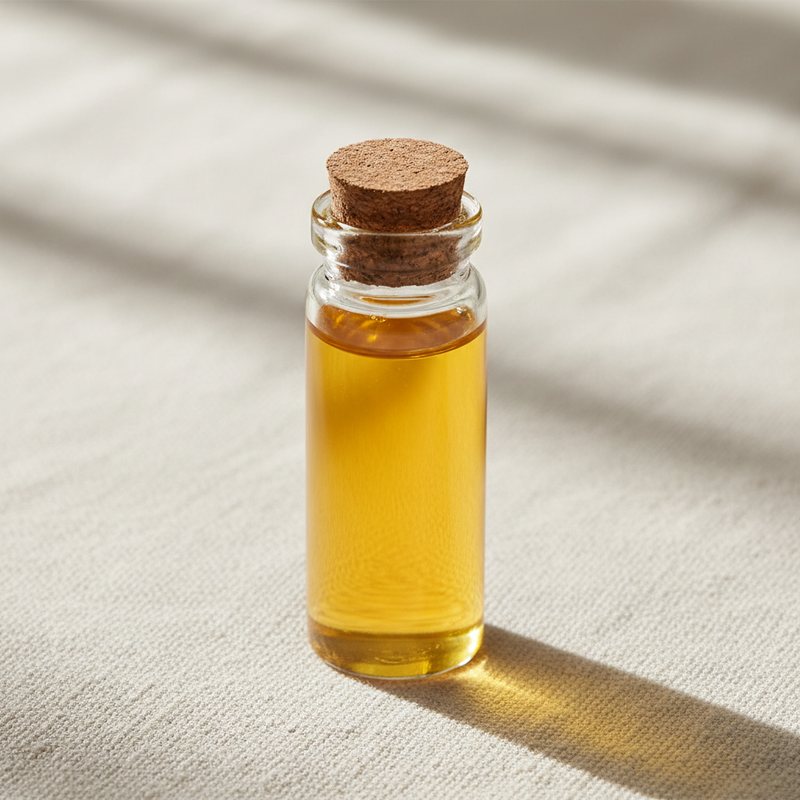
Pale yellow oily liquid. Cooking and frying performance comparable to refined vegetable oil. Stable to oxidation when properly refined and packaged with light protection.
We supply food-grade Diacylglycerol Oil from manufacturers in China holding ISO, Halal, Kosher and other certifications relevant to the product and production.
Common market grades include 1,3-DAG enriched oil (the preferred isomer for metabolic claims, typically 50 to 80 percent DAG), blended DAG oils derived from soybean, rapeseed, or palm feedstocks, and high-purity diolein for research and pharmaceutical applications.
Bulk and reduced-MOQ shipments. Batch-level COA covering DAG content, isomer distribution, free fatty acid, peroxide value, and microbiology.
Introduction
Diacylglycerol oils were developed and commercialized by Kao Corporation in Japan in the late 1990s under the Econa brand, supported by clinical evidence that 1,3-DAG is absorbed and metabolized differently from triacylglycerols, producing lower postprandial blood triglyceride spikes.
Industrial production is by enzymatic glycerolysis of refined vegetable oil with glycerol, using a regioselective lipase that favors 1,3-DAG over the 1,2-DAG isomer. The reaction product is then refined and standardized to a target DAG content.
DAG oils are accepted as food in Japan, the United States, China, and a number of other markets. Regulatory positioning varies: in Japan a former FOSHU health-claim status was withdrawn in 2009 following a process-contaminant investigation, after which the category was reformulated and relaunched with updated specifications.
The clinical proposition of DAG oils rests on metabolic differentiation rather than caloric reduction: DAG oils contain the same energy as conventional oils, but their absorption pathway through the small intestine appears to favor beta-oxidation over re-esterification to chylomicron triglycerides.
Where it is used
- Functional cooking oils and salad oils positioned for weight management and metabolic health
- Margarines and table spreads with reduced postprandial lipid response claims
- Mayonnaise and salad dressings; substitutes for conventional triglyceride oils
- Functional bakery shortenings
- Health-positioned snack foods including chips and crackers fried in DAG oil
- Frozen prepared foods marketed to weight-conscious and diabetic consumers
- Clinical and medical nutrition products
- Specialty infant and pediatric nutrition (where regulated)
Technical data
| Item | Specification |
|---|---|
| Appearance | Pale yellow oily liquid |
| DAG content | ≥ 50.0% |
| 1,3-DAG to 1,2-DAG ratio | Typically ≥ 7:3 |
| Free fatty acid (as oleic acid) | ≤ 0.10% |
| Peroxide value (meq/kg) | ≤ 5.0 |
| Iodine value | Per feedstock specification |
| Moisture and volatile matter | ≤ 0.10% |
| Color (Lovibond, 1 inch cell) | ≤ 2.0 R |
| Heavy metals (as Pb) | ≤ 0.1 mg/kg |
Related ingredients


Ready to discuss business?
Send us your spec and requirement. We will respond with availability and pricing within 24 hours.