Description
An aldohexose monosaccharide and stereoisomer of glucose, present in lactose, raffinose, and many plant polysaccharides. Approximately 65 percent of the sweetness of sucrose with a mild, clean profile. Functions as a slow-release glucose precursor through the Leloir pathway in human metabolism.
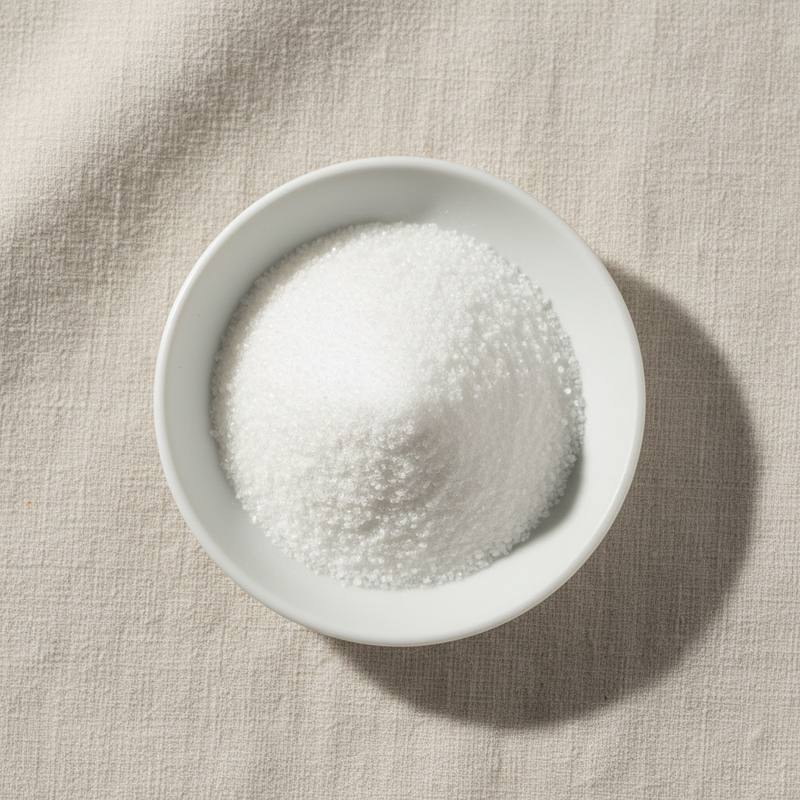
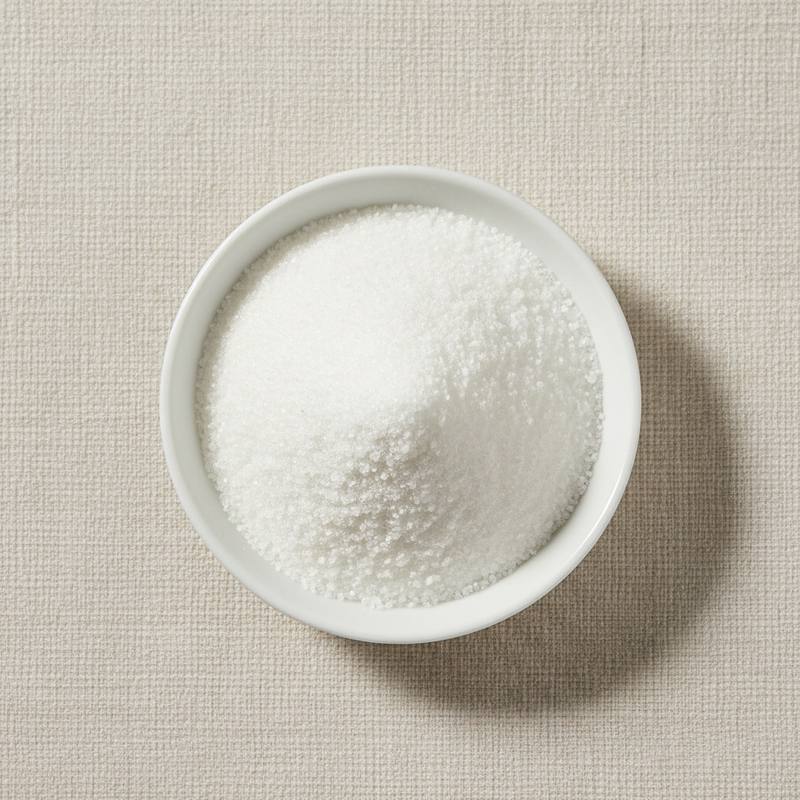
White crystalline powder. Highly water-soluble, mildly reducing, and participates in Maillard reactions to support browning and flavor development.
We supply food-grade and pharmaceutical-grade D-Galactose from manufacturers in China holding ISO, Halal, Kosher and other certifications relevant to the product and production.
Common market grades include food-grade D-Galactose 98% (lactose-derived, the dominant commercial format), pharmaceutical USP/EP grade for liver-function testing and diagnostic use, and ultra-pure grade for biochemistry, cell culture, and analytical applications.
Bulk and reduced-MOQ shipments. Batch-level COA covering assay, specific rotation, related sugars, heavy metals, and microbiology.
Introduction
D-Galactose was first isolated from lactose hydrolysis in 1856 by Louis Pasteur and characterized as a distinct sugar by 1860. Industrial production at food scale developed alongside whey processing in the 20th century.
Commercial production proceeds from lactose. Whey-derived lactose is enzymatically hydrolyzed by β-galactosidase, the resulting glucose and galactose are separated by chromatographic resin, and D-Galactose is crystallized and dried. Higher-purity pharmaceutical and analytical grades undergo additional recrystallization and ion-exchange polishing.
D-Galactose is recognized as Generally Recognized as Safe by the U.S. FDA as a normal constituent of dairy and many traditional foods. It is not assigned a separate E-number and is regulated as a food ingredient rather than an additive. Pharmaceutical use is covered by USP, EP, and JP monographs.
The metabolic position of D-Galactose is distinctive. Once absorbed, it is converted to glucose in the liver via the Leloir pathway at a controlled rate, producing a substantially lower glycemic peak than glucose at equivalent doses. In neonatal nutrition, dietary galactose from lactose is the primary source of galactosyl groups for cerebroside and ganglioside synthesis, supporting brain development.
For functional food and sports-nutrition formulation, D-Galactose occupies a niche between glucose and slow-release polysaccharides: it carries a glucose-equivalent energy contribution but releases that energy gradually, with potential benefits for endurance performance and post-exercise recovery.
Where it is used
- Infant formula and pediatric nutrition; supports brain glycolipid synthesis in the first months of life
- Sports nutrition and endurance products; sustained-release glucose alternative with lower glycemic peak
- Functional foods positioned for cognitive and metabolic health
- Diagnostic applications including galactose tolerance testing for liver function
- Cell-culture media and biochemistry research as a substrate for galactose-utilizing organisms
- Pharmaceutical excipient and carrier for sensitive active ingredients
- Substrate for galactooligosaccharide (GOS) prebiotic synthesis
- Confectionery and baked goods where Maillard browning and mild sweetness are desired
Technical data
| Item | Specification |
|---|---|
| Appearance | White crystalline powder |
| Assay (dry basis) | ≥ 99.0% |
| Loss on drying | ≤ 0.5% |
| Specific rotation | +78° to +81° |
| pH (10% solution) | 5.0 to 7.0 |
| Melting point | 165 °C to 168 °C |
| Reducing sugars (other) | ≤ 0.5% |
| Heavy metals (as Pb) | ≤ 5 mg/kg |
| Arsenic | ≤ 1 mg/kg |
| Sulfated ash | ≤ 0.1% |
Related ingredients
Ready to discuss business?
Send us your spec and requirement. We will respond with availability and pricing within 24 hours.