Description
A standardized extract of Cyanotis arachnoidea, the world's leading natural source of the phytoecdysteroid beta-ecdysterone (20-hydroxyecdysone, 20E). The compound is positioned as a natural anabolic and muscle-building active in premium sports nutrition supplements, with growing clinical-research support and emerging regulatory attention.
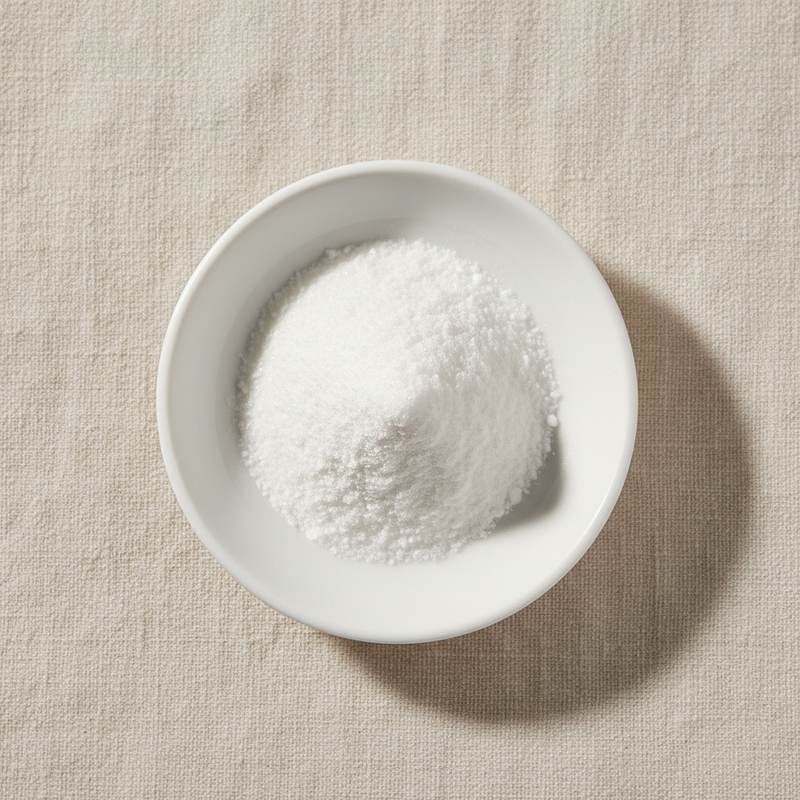
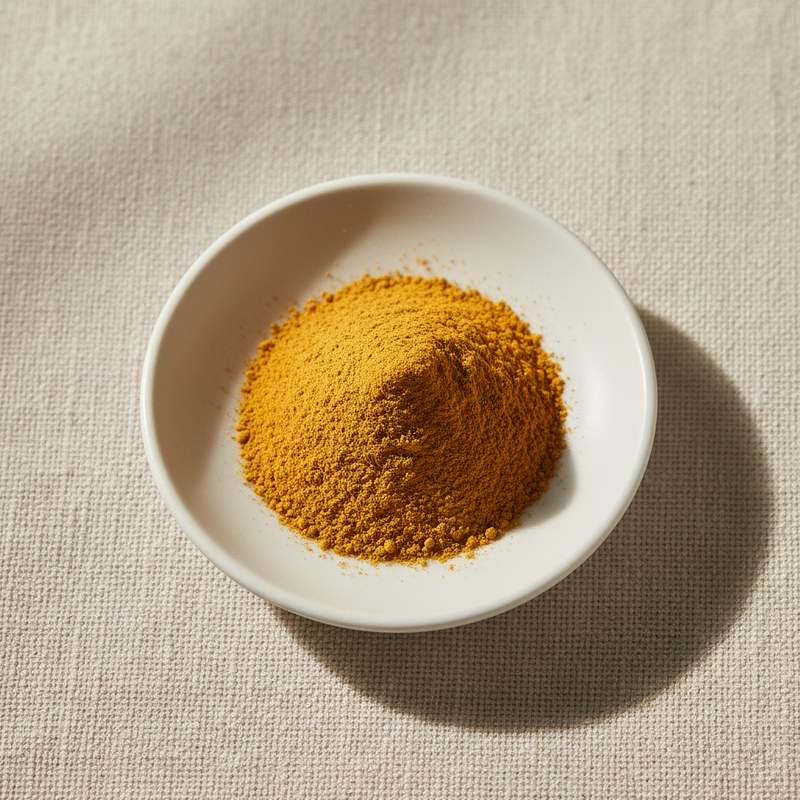
Off-white to pale yellow free-flowing powder. Limited water solubility; freely soluble in ethanol.
We supply food-grade Cyanotis Arachnoidea Extract from manufacturers in China holding ISO, Halal, Kosher and other certifications relevant to the product and production.
Common market grades include 20 percent Beta-Ecdysterone (cost-effective baseline), 50 percent Beta-Ecdysterone (standard supplement grade), 90 percent Beta-Ecdysterone (premium grade), 95 percent Beta-Ecdysterone (high-end grade), and 98 percent Beta-Ecdysterone (pharmaceutical-grade isolated compound). Alternative source plants including Rhaponticum carthamoides and spinach extract are offered separately.
Bulk and reduced-MOQ shipments. Batch-level COA covering beta-ecdysterone content (HPLC), related ecdysteroid impurities, residual solvents, heavy metals, pesticides, and microbiology.
Introduction
Beta-ecdysterone (20-hydroxyecdysone) is the principal molting hormone of insects, but is also produced in substantial quantities by several plant species as a putative chemical defense against insect herbivory. Cyanotis arachnoidea is the highest natural source identified, with concentrations 5 to 20 times higher than competing plant sources.
Industrial production proceeds by hot-water and hydroalcoholic extraction of Cyanotis arachnoidea aerial parts and roots, followed by purification through resin adsorption, chromatographic separation, and crystallization to defined purity. High-purity grades require multiple chromatographic passes.
Regulatory status varies by jurisdiction. Recognized as a permitted food ingredient in China and most Asian markets; sold as a dietary supplement in the U.S. and many other markets; classified as a prohibited substance in WADA-monitored sport since 2024 in light of emerging anabolic-activity evidence; subject to ongoing Novel Food review in the EU.
Clinical evidence in humans for beta-ecdysterone supplementation is more limited than for established anabolic supplements but includes preliminary controlled-trial evidence for strength and lean-mass gains in resistance-training subjects. The compound's mechanism of action involves estrogen-receptor beta binding rather than the androgen-receptor pathway used by anabolic steroids, supporting differentiated positioning.
Strategic positioning targets premium sports nutrition globally, with high-purity 90 to 98 percent grades supporting the highest premium positioning. Note that the compound is now prohibited in WADA-monitored competitive sport.
Where it is used
- Sports nutrition: muscle-building, strength, and recovery dietary supplements (the dominant commercial application)
- Premium bodybuilding supplement formulations
- Adaptogen-positioned performance and energy supplements
- Anti-aging and longevity dietary supplements
- Pharmaceutical research applications including muscle-wasting condition research
- Premium sports nutrition combination products with creatine, protein, and other muscle-support actives
- Veterinary applications for breeding and performance animals
Technical data
| Item | Specification |
|---|---|
| Appearance | Off-white to pale yellow free-flowing powder |
| Beta-Ecdysterone content (HPLC) | 20% / 50% / 90% / 95% / 98% (grade dependent) |
| Loss on drying | ≤ 5.0% |
| Residue on ignition | ≤ 2.0% |
| Heavy metals (as Pb) | ≤ 2 mg/kg |
| Residual solvents | Within ICH Q3C limits |
| Total plate count | ≤ 1000 cfu/g |
| Source | Cyanotis arachnoidea aerial parts and roots |
Related ingredients
Ready to discuss business?
Send us your spec and requirement. We will respond with availability and pricing within 24 hours.