Description
The extract of Cumin seeds (Cuminum cyminum), supplied as essential oil, oleoresin, and standardized powder extract. The essential oil is dominated by cuminaldehyde (15 to 35 percent), the compound responsible for the spice's characteristic aroma. Black Cumin (Nigella sativa, a different species) is supplied as a distinct related product.
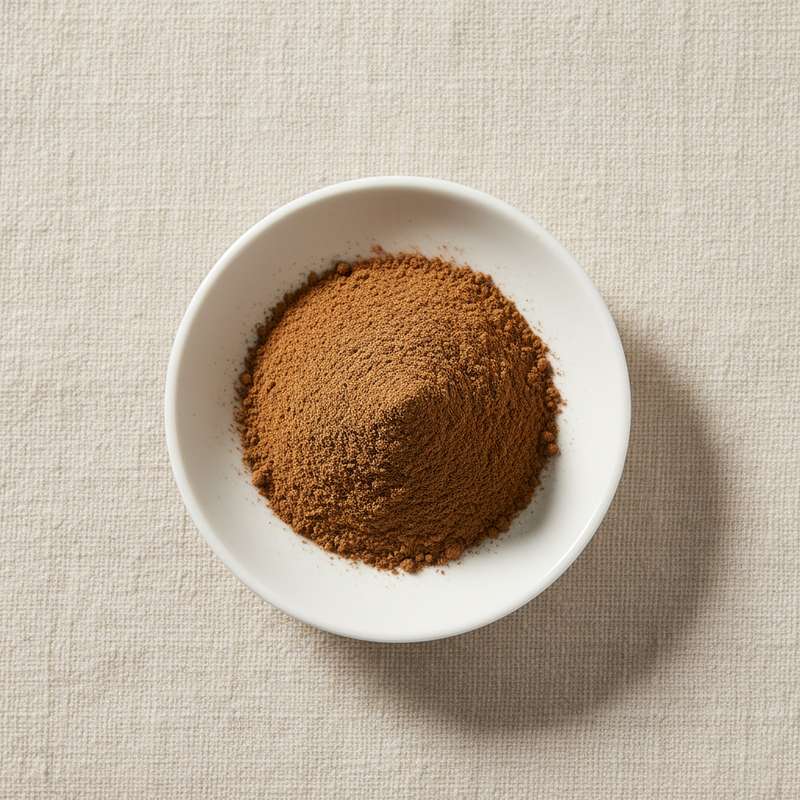
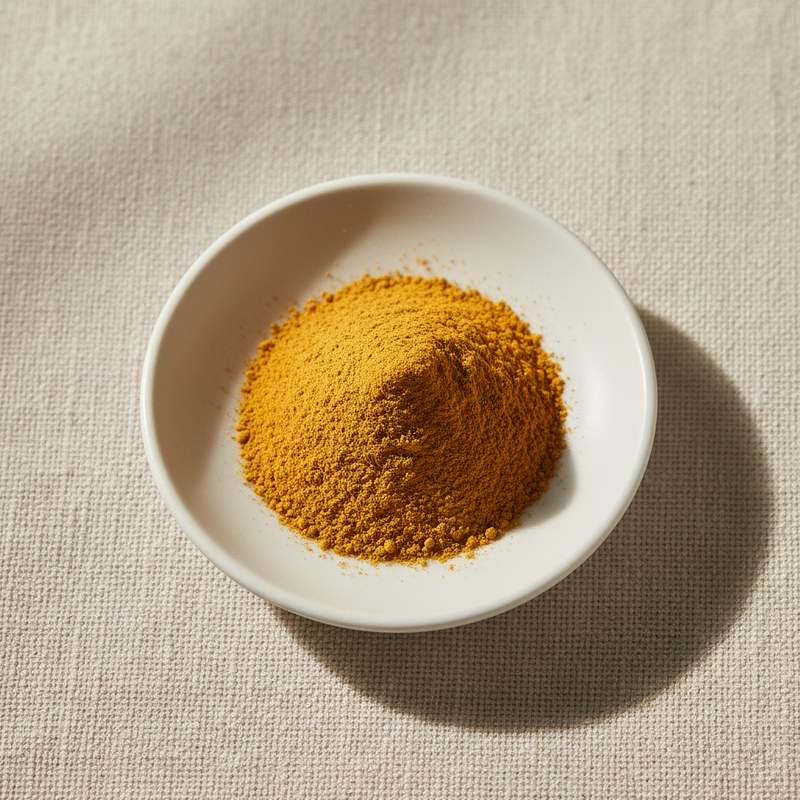
Light yellow to brown free-flowing powder, or pale yellow essential oil with characteristic warm earthy aroma.
We supply food-grade Cumin Extract from manufacturers in China holding ISO, Halal, Kosher and other certifications relevant to the product and production.
Common market grades include Cumin Essential Oil (steam-distilled, 15 to 35 percent cuminaldehyde), Cumin Oleoresin (solvent-extracted concentrate, 5 to 15 percent volatile oil), and Cumin 4:1 to 10:1 supplement-grade powder extract.
Bulk and reduced-MOQ shipments. Batch-level COA covering cuminaldehyde content (GC), residual solvents, heavy metals, pesticides, and microbiology.
Introduction
Cumin is one of the most globally important spices by volume, with major culinary uses across Indian, Middle Eastern, Mediterranean, Mexican, and Tex-Mex cuisines. The spice has been cultivated for at least 4,000 years and was referenced in the Old Testament. Modern global production is dominated by India, with substantial cultivation in Turkey, Syria, and Iran.
Industrial production proceeds by steam distillation (essential oil), solvent extraction (oleoresin), and aqueous or hydroalcoholic extraction (supplement-grade powder extracts). The seed essential oil yield is typically 2 to 5 percent of dry seed weight.
Recognized as a permitted food ingredient by the U.S. FDA (GRAS), the European Food Safety Authority, and equivalent regulators worldwide.
Cumin gained supplement-market attention in the early 2010s following Iranian clinical research suggesting modest weight-management effects from cumin powder consumption (3 grams daily) in overweight women. The evidence base remains modest but has supported a meaningful supplement market segment positioning cumin for weight-management and metabolic-health applications.
Strategic positioning is dominated by global spice and flavor applications, with secondary segments in digestive-support and weight-management dietary supplements.
Where it is used
- Spice and seasoning flavor applications: curry blends, sausage, Latin American and Mexican cuisine, Middle Eastern cuisine (the dominant commercial application)
- Weight-management dietary supplements (consumer trend following Iranian clinical research)
- Digestive-support and carminative supplements
- Traditional Ayurvedic medicine: jeera formulations
- Traditional Middle Eastern and Indian herbal medicine
- Functional beverages: spice-positioned wellness drinks
- Pharmaceutical applications: carminative and digestive formulations
- Cosmetic skincare and aromatherapy
Technical data
| Item | Specification |
|---|---|
| Appearance | Light yellow to brown free-flowing powder or pale yellow oily liquid |
| Cuminaldehyde (GC) | 15% to 35% (essential oil) |
| Volatile oil content (oleoresin) | 5% to 15% |
| Herb-to-extract ratio | 4:1 / 10:1 (supplement grades) |
| Loss on drying | ≤ 5.0% |
| Heavy metals (as Pb) | ≤ 2 mg/kg |
| Total plate count | ≤ 10000 cfu/g |
| Source | Cuminum cyminum dried seeds |
Related ingredients
Ready to discuss business?
Send us your spec and requirement. We will respond with availability and pricing within 24 hours.