Description
The standardized extract of Coptis chinensis rhizome (huang lian), the principal traditional Chinese source of berberine alkaloid. Standardized to berberine content as the active marker. Used in metabolic-health, gastrointestinal, and antimicrobial supplement formulations.
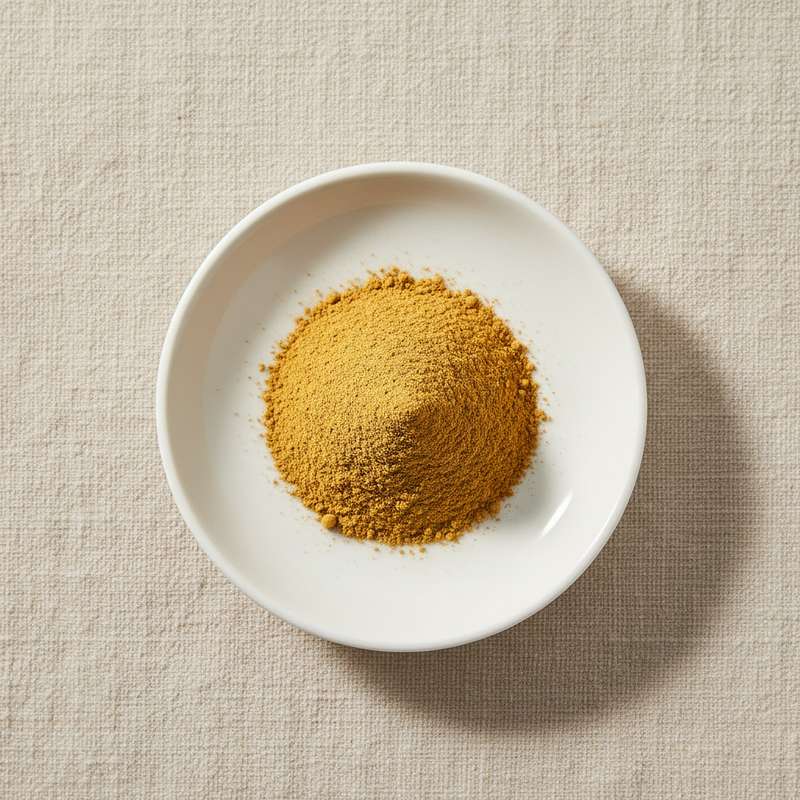
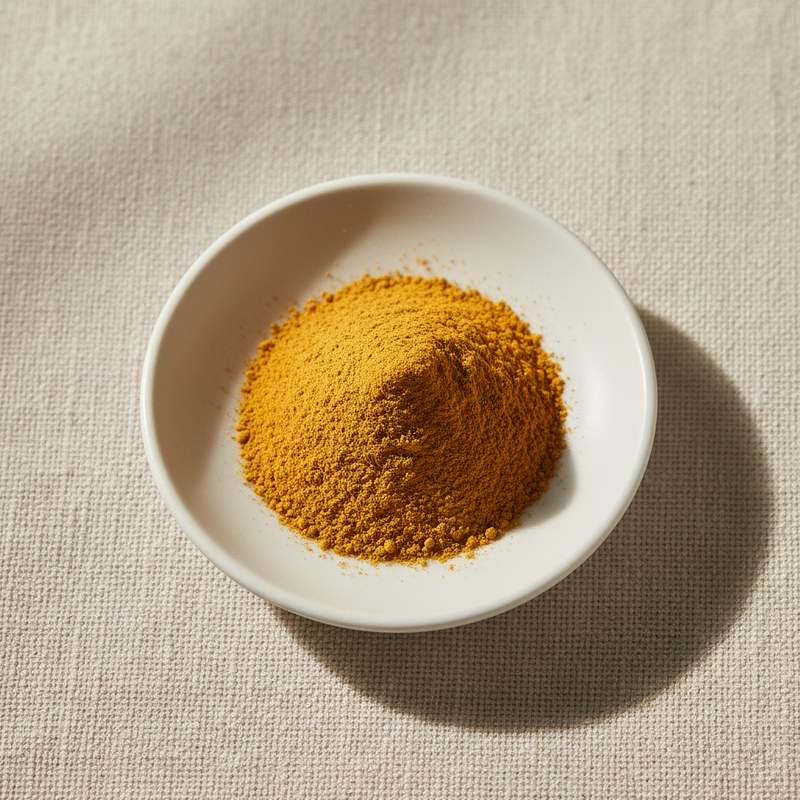
Yellow to yellow-brown free-flowing powder with characteristic bitter taste. Limited water solubility for the alkaloid free base; the hydrochloride salt is freely water-soluble.
We supply food-grade Coptis Chinensis Extract from manufacturers in China holding ISO, Halal, Kosher and other certifications relevant to the product and production.
Common market grades include 5 percent Berberine (standard supplement grade), 10 percent Berberine (premium grade), 30 percent Berberine (high-end concentrated grade), and pharmaceutical-feedstock grades for berberine hydrochloride and berberine sulfate production. Berberine isolate from Coptis is the dominant pharmaceutical-feedstock source globally.
Bulk and reduced-MOQ shipments. Batch-level COA covering berberine content (HPLC), coptisine content, palmatine content, residual solvents, heavy metals, pesticides, and microbiology.
Introduction
Coptis chinensis (huang lian) has been used in Traditional Chinese Medicine for over 2,000 years for heat-clearing, toxin-resolving, and gastrointestinal applications. The rhizome is among the most bitter substances in the TCM materia medica, the source of the Chinese idiom 'as bitter as huang lian'.
Industrial production proceeds by ethanol or hydroalcoholic extraction of dried Coptis rhizome, followed by purification and standardization to defined berberine content. High-purity berberine isolate (the global supplement and pharmaceutical workhorse) is produced by further crystallization and salt formation from Coptis extract.
Coptis is the dominant global feedstock for berberine production, with Berberis aristata (Indian barberry) as the secondary source. Listed in the Chinese Pharmacopoeia, with berberine hydrochloride registered as an over-the-counter pharmaceutical product in China and several Asian markets.
Modern research has established berberine as a clinically-evidenced metabolic-health compound with documented effects on glucose homeostasis, lipid profiles, and gut microbiome composition. The compound is among the most-prescribed natural metabolic-health supplements globally.
Strategic positioning combines Traditional Chinese Medicine formula applications, modern metabolic-health supplements (the largest commercial segment globally via berberine isolate), and pharmaceutical feedstock supply.
Where it is used
- Metabolic-health dietary supplements: blood-sugar-support and weight-management positioning (the dominant Western application via berberine isolate)
- Gastrointestinal-support and gut-microbiome supplement formulations
- Traditional Chinese Medicine: huang lian decoctions and classical formula granules including Huang Lian Su (berberine isolate) and Huang Lian Shang Qing Wan
- Antimicrobial supplement formulations
- Pharmaceutical feedstock for berberine hydrochloride and berberine sulfate manufacturing
- Cardiovascular-support supplement formulations
- Cosmetic skincare: antimicrobial and anti-acne topical formulations
Technical data
| Item | Specification |
|---|---|
| Appearance | Yellow to yellow-brown free-flowing powder |
| Berberine content (HPLC) | 5% / 10% / 30% (grade dependent) |
| Total alkaloids | ≥ 20% (premium grade) |
| Loss on drying | ≤ 5.0% |
| Residue on ignition | ≤ 5.0% |
| Heavy metals (as Pb) | ≤ 2 mg/kg |
| Total plate count | ≤ 1000 cfu/g |
| Source | Coptis chinensis rhizome |
Related ingredients
Ready to discuss business?
Send us your spec and requirement. We will respond with availability and pricing within 24 hours.