Description
The extract of dried coffee pulp and husks (cascara), the byproducts of coffee bean processing comprising the outer pulp, mucilage, and parchment layers separated from the bean. Distinct from Coffee Cherry Extract (which uses the whole fresh cherry fruit) by source (dried processing byproducts) and processing route. Positioned around circular-economy sustainability and coffee-industry waste valorization.
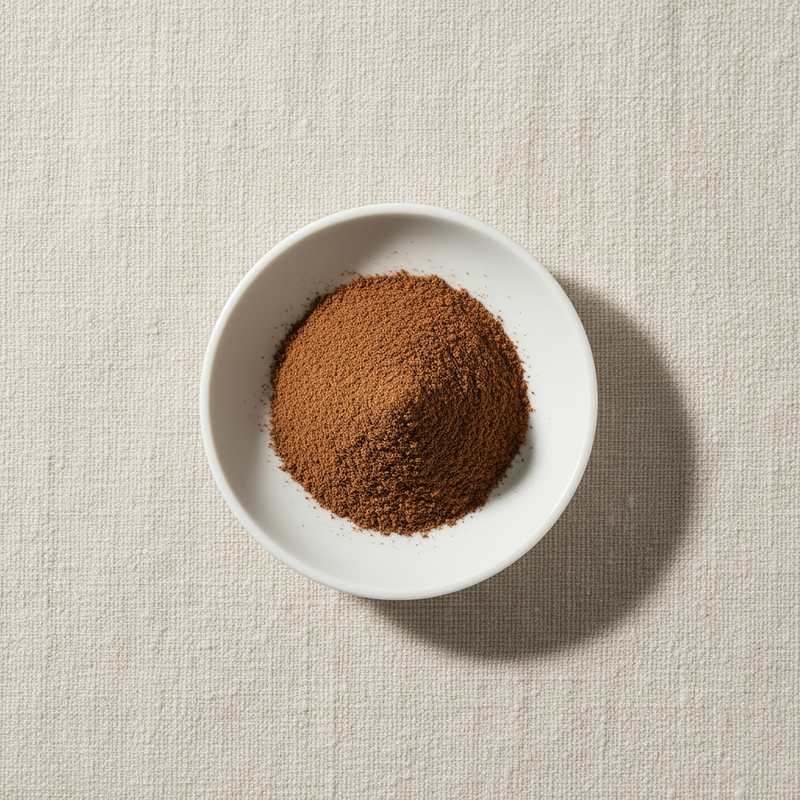
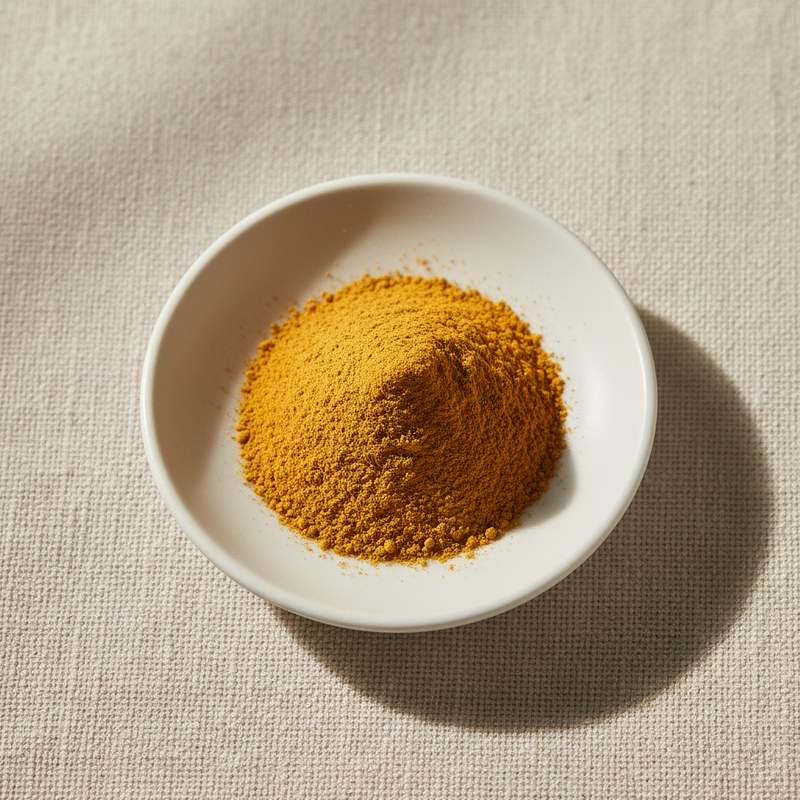
Light brown to dark brown free-flowing powder. Highly water-soluble.
We supply food-grade Coffee Pulp Extract from manufacturers in China holding ISO, Halal, Kosher and other certifications relevant to the product and production. Strong sustainability positioning supports premium clean-label applications.
Common market grades include Cascara Powder (the traditional minimally-processed grade for tea applications), Coffee Pulp 30 to 50 percent Polyphenols (standard supplement grade), Coffee Pulp 70 percent Polyphenols (premium concentrated grade), and Coffee Pulp Flour (food-application grade for fiber and polyphenol fortification).
Bulk and reduced-MOQ shipments. Batch-level COA covering total polyphenols (UV), chlorogenic acid content, caffeine content, dietary fiber content (for flour grades), ochratoxin A, residual solvents, heavy metals, and microbiology.
Introduction
Coffee processing generates substantial byproduct streams: for every kilogram of green coffee produced, approximately 1 kilogram of wet pulp and husk byproducts is generated. These byproducts have historically been discarded as agricultural waste or used as low-value compost, creating both environmental disposal problems and lost economic value for coffee-producing communities.
Cascara (Spanish for husk) consumption as a sweet, fruity tea has a long traditional history in coffee-producing regions including Ethiopia, Yemen, and parts of Latin America, but the product remained largely unknown to global consumers until the specialty coffee movement adopted cascara as a premium beverage in the 2010s.
Industrial production proceeds by hot-water extraction of dried coffee pulp and husks, followed by concentration and spray-drying. Coffee Pulp Flour is produced by direct milling of dried pulp for food-fortification applications. Ochratoxin A and mycotoxin management is important given the susceptibility of coffee byproducts to mold contamination during processing.
Approved as a Novel Food in the EU (2022) under specific conditions including limits on caffeine content and approved applications. Recognized as Generally Recognized as Safe by the U.S. FDA.
Strategic positioning targets the specialty coffee market (cascara tea applications), circular-economy clean-label food and beverage applications, and the social-impact specialty positioning supporting coffee-producing community income.
Where it is used
- Cascara tea applications: traditional and specialty coffee-shop beverage applications
- Antioxidant dietary supplements positioned around coffee-byproduct sustainability
- Functional beverages: cascara-positioned ready-to-drink products and wellness shots
- Premium baked goods and food fortification with coffee-pulp flour
- Cosmetic skincare: antioxidant and circular-economy positioned formulations
- Premium clean-label dietary fiber applications
- Coffee-industry sustainability and farmer-income initiatives (the social-impact application)
- Specialty coffee specialty applications and premium positioning ingredients
Technical data
| Item | Specification |
|---|---|
| Appearance | Light brown to dark brown free-flowing powder |
| Total polyphenols (UV) | 30% / 50% / 70% (grade dependent) |
| Chlorogenic acid (HPLC) | ≥ 10% |
| Caffeine content | declared per batch (typically 1% to 4%) |
| Dietary fiber (flour grade) | ≥ 30% |
| Ochratoxin A | ≤ 5 micrograms/kg |
| Heavy metals (as Pb) | ≤ 2 mg/kg |
| Source | Coffea arabica dried pulp and husks (cascara) |
Related ingredients
Ready to discuss business?
Send us your spec and requirement. We will respond with availability and pricing within 24 hours.