Description
The extract of whole coffee cherry fruit (Coffea arabica), the fruit pulp surrounding coffee beans that is traditionally discarded as agricultural byproduct during coffee processing. Standardized to chlorogenic acid and total polyphenol content, with a distinctive profile including substantial mangiferin content. Distinct from Green Coffee Bean Extract by source: the cherry fruit pulp rather than the unroasted bean.
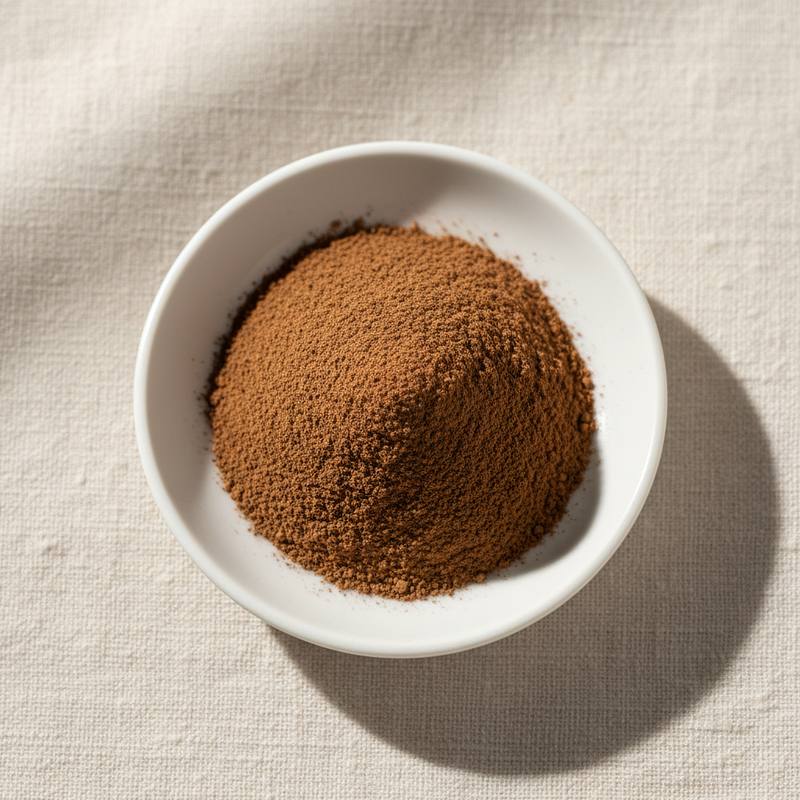
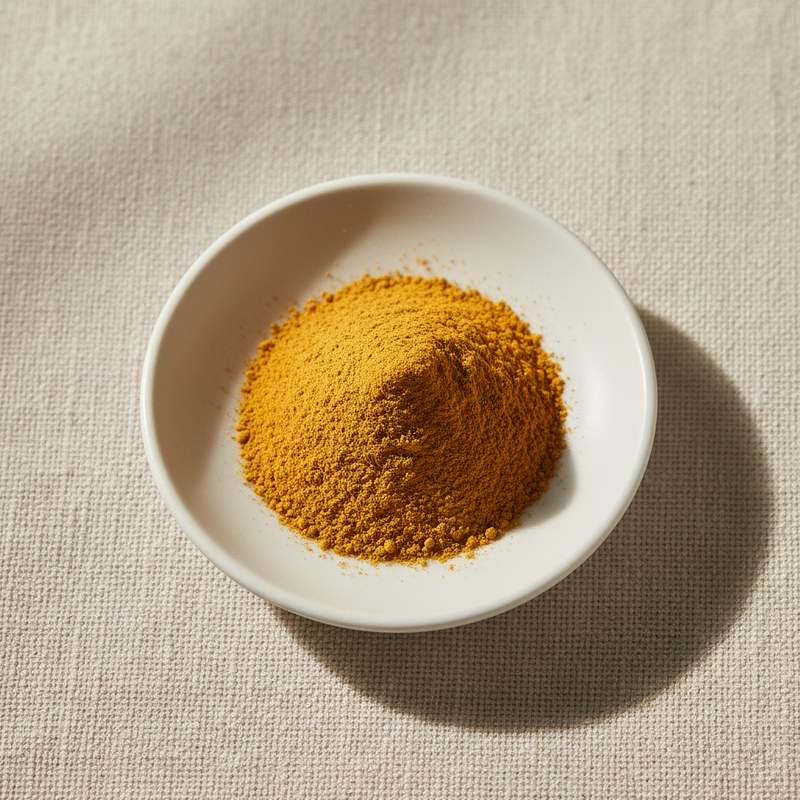
Light brown to reddish-brown free-flowing powder. Highly water-soluble.
We supply food-grade Coffee Cherry Extract from manufacturers in China holding ISO, Halal, Kosher and other certifications relevant to the product and production. Strong circular-economy positioning supports premium clean-label applications.
Common market grades include Coffee Cherry 40 to 60 percent Polyphenols (standard supplement grade), Coffee Cherry 80 percent Polyphenols (premium grade), and Coffee Cherry Standardized to BDNF-Modulating Activity (the premium cognitive-support positioning grade, based on specific clinical research showing BDNF elevation).
Bulk and reduced-MOQ shipments. Batch-level COA covering total polyphenols (UV), chlorogenic acid content, mangiferin content, caffeine content, residual solvents, heavy metals, pesticides, ochratoxin A, and microbiology.
Introduction
Coffee cherry pulp has been traditionally consumed as cascara tea in some coffee-producing regions but was historically treated as agricultural byproduct globally. Modern interest in the fruit's polyphenol content emerged in the 2010s alongside circular-economy and food-waste reduction movements. The principal commercial advance has been Futureceuticals' NeuroFactor research program, which characterized coffee cherry extract effects on Brain-Derived Neurotrophic Factor (BDNF) in human clinical trials.
Industrial production proceeds by hot-water extraction of dried coffee cherry pulp, followed by purification, concentration, and spray-drying to defined polyphenol content. Ochratoxin A management is important given the susceptibility of coffee byproducts to mold contamination.
Approved as a Novel Food in the EU (2022) and recognized as Generally Recognized as Safe by the U.S. FDA. Specific applications and dosage limits apply under EU Novel Food regulations.
Clinical evidence for the BDNF-modulating activity is supported by the specific NeuroFactor research program with proprietary extract grades; broader cognitive and antioxidant claims draw from the general polyphenol literature.
Strategic positioning targets premium cognitive-support supplements (the BDNF positioning premium), circular-economy clean-label applications, and natural low-caffeine energy supplements differentiated from traditional coffee extract positioning.
Where it is used
- Cognitive-support and BDNF-positioned dietary supplements (the premium emerging clinical application)
- Antioxidant dietary supplements positioned around whole-fruit polyphenol content
- Natural energy supplements with low-caffeine clean-label positioning
- Premium functional beverages: wellness shots, cold brew alternatives, antioxidant drinks
- Beauty-from-within supplements positioned for skin antioxidant support
- Cosmetic skincare: antioxidant and circular-economy positioned formulations
- Premium ready-to-drink beverage applications emphasizing coffee-fruit positioning
- Sports nutrition: recovery and antioxidant positioned products
Technical data
| Item | Specification |
|---|---|
| Appearance | Light brown to reddish-brown free-flowing powder |
| Total polyphenols (UV) | 40% / 60% / 80% (grade dependent) |
| Chlorogenic acid (HPLC) | ≥ 15% |
| Mangiferin content | declared per batch |
| Caffeine content | ≤ 5% (typically 1% to 3%) |
| Ochratoxin A | ≤ 5 micrograms/kg |
| Heavy metals (as Pb) | ≤ 2 mg/kg |
| Source | Coffea arabica whole coffee cherry pulp |
Related ingredients
Ready to discuss business?
Send us your spec and requirement. We will respond with availability and pricing within 24 hours.