Description
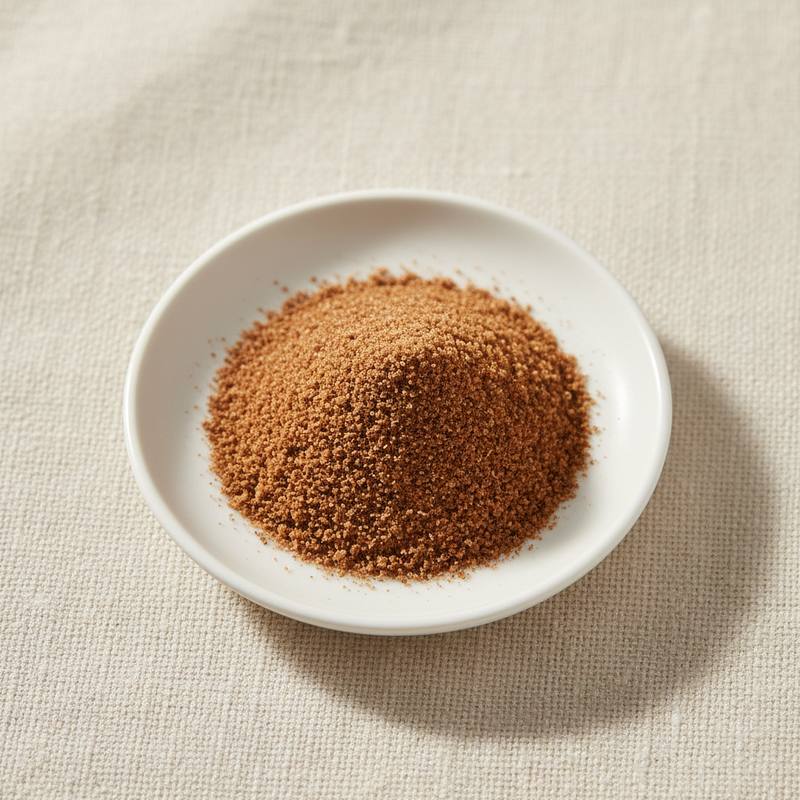
A natural granulated sweetener produced from the boiled and dehydrated sap of the coconut palm flower bud. Sweetness comparable to brown sugar with a deeper caramel and butterscotch flavor profile. Glycemic index reported between 35 and 54 depending on methodology, lower than sucrose at 65 and refined cane sugar.
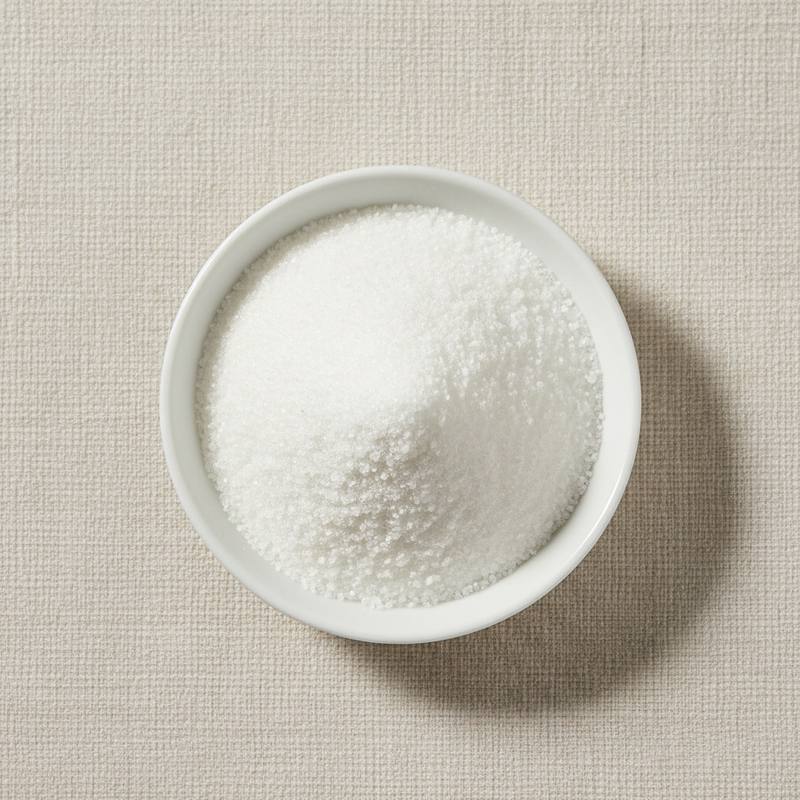
Tan to medium brown free-flowing granules. Composition is approximately 70 to 80 percent sucrose with 3 to 9 percent each of glucose and fructose, plus trace minerals including potassium, magnesium, zinc, and iron, along with small amounts of inulin which contributes to the lower glycemic profile.
We supply food-grade Coconut Sugar from manufacturers in China and Southeast Asia holding ISO, Halal, Kosher, USDA Organic, and other certifications relevant to the product and production.
Common market grades include standard granular Coconut Sugar, fine-mesh powder for confectionery and tabletop blends, certified organic, and Fair Trade certified material for premium retail positioning.
Bulk and reduced-MOQ shipments. Batch-level COA covering sucrose content, moisture, ash, heavy metals, pesticide residues, and microbiology.
Introduction
Coconut Sugar has been produced in tropical Asia for centuries as a traditional sweetener known as gula merah in Indonesia, panela or jaggery analogues across South Asia, and palm sugar in Thai and Filipino cuisine. The modern packaged-retail category developed in the 2000s as part of the broader clean-label and low-glycemic food movement.
Production starts with tapping the unopened coconut flower bud, which yields a clear sweet sap (toddy or nira). The sap is boiled at controlled temperature to evaporate water and concentrate the sugars, then either poured into molds to produce solid blocks or crystallized and granulated for the export-grade powdered format. Traditional production is small-scale and labor-intensive; certified-organic and Fair Trade supply chains have grown substantially since 2010.
Coconut Sugar is regulated as a food ingredient with no E-number. The Philippines Department of Agriculture published the original low-glycemic-index study in 2009 that established the product's marketing position, followed by independent verification in Australia and the United States.
The strategic position is straightforward. Coconut Sugar carries the same caloric load as cane sugar (approximately 15 kcal per teaspoon) and is metabolized similarly once digested. The differentiation rests on three points: a lower glycemic index attributable to inulin content, trace mineral contribution above that of refined sugar, and a single-ingredient unrefined natural origin that supports clean-label and paleo positioning. It is not a calorie-reduced sweetener but a premium natural alternative to refined cane sugar.
Where it is used
- Premium baked goods including cookies, granola, energy bars, and artisanal pastries
- Natural and clean-label tabletop sweetener; positioned against refined sugar in health-conscious retail
- Sugar-replacement on a one-to-one volume basis in baking and home cooking
- Smoothies, coffee, tea, and beverage applications
- Vegan, paleo, and whole-food product lines
- Sauces, marinades, and savory glazes where deep caramel notes are desired
- Granola, cereals, and breakfast products
- Confectionery and chocolate applications targeting natural and unrefined positioning
Technical data
| Item | Specification |
|---|---|
| Appearance | Tan to medium brown free-flowing granules or powder |
| Total sugars | ≥ 90.0% |
| Sucrose | 70% to 80% |
| Moisture | ≤ 3.0% |
| Ash | ≤ 2.0% |
| pH (10% solution) | 5.0 to 7.0 |
| Heavy metals (as Pb) | ≤ 2 mg/kg |
| Pesticide residues | Conforms to applicable national MRLs |
| Total plate count | ≤ 10,000 CFU/g |
| E. coli, Salmonella | Negative |
Related ingredients
Ready to discuss business?
Send us your spec and requirement. We will respond with availability and pricing within 24 hours.