Description
The standardized theobromine extract of cocoa beans (Theobroma cacao). Theobromine is the principal methylxanthine alkaloid in cocoa, structurally related to caffeine but with milder stimulant effects and longer half-life. Used in energy supplements positioned for sustained mild stimulation, cardiovascular-support supplements, and as a pharmaceutical and chemical synthesis feedstock.
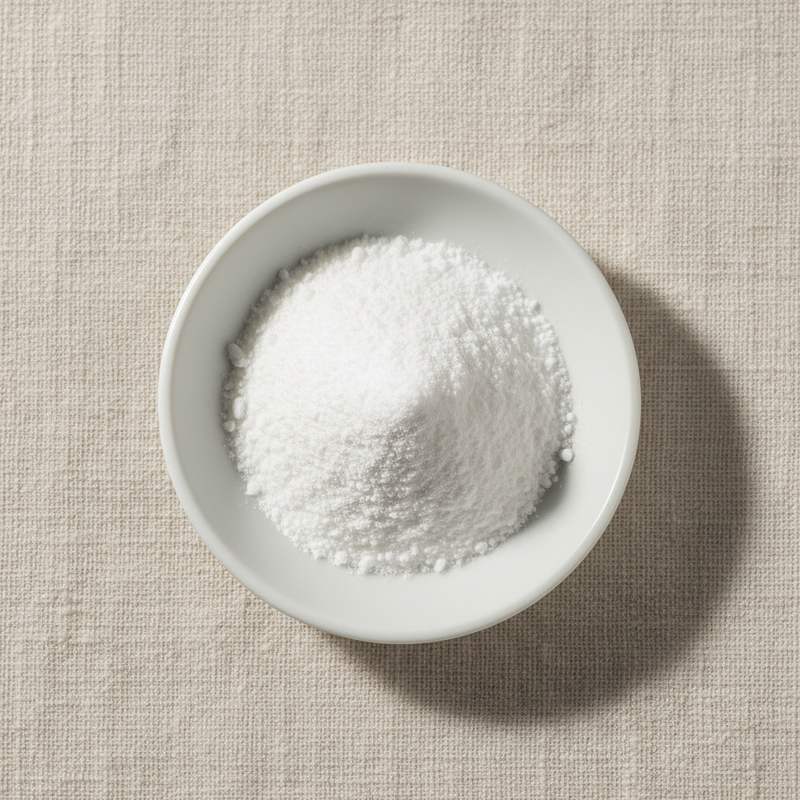
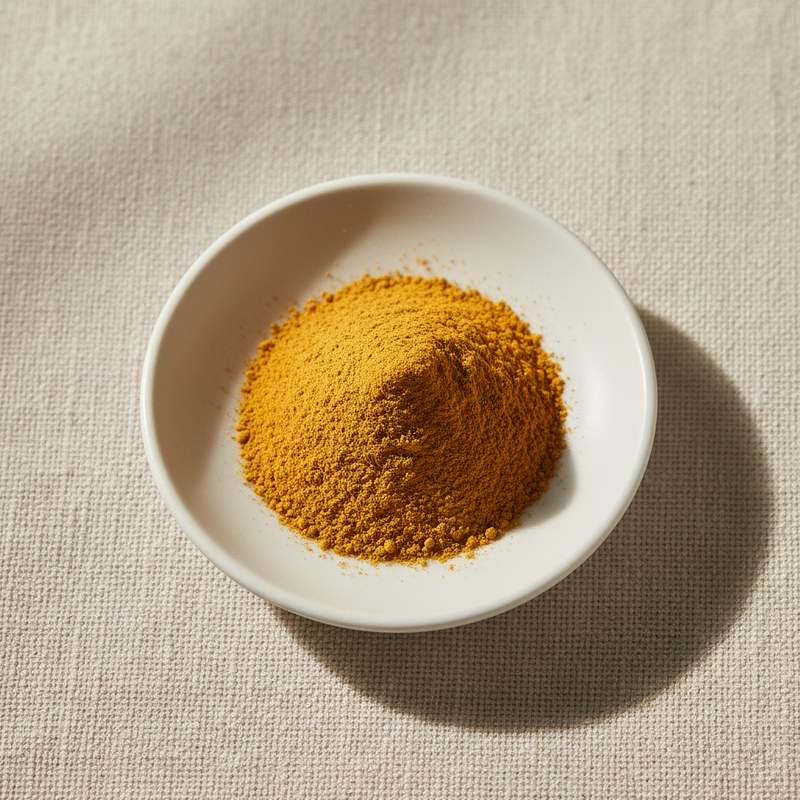
Off-white to pale yellow free-flowing powder. Limited water solubility; better solubility in alcohol and at elevated temperatures.
We supply food-grade Cocoa Theobromine from manufacturers in China holding ISO, Halal, Kosher and other certifications relevant to the product and production.
Common market grades include Cocoa Theobromine 10 percent (cost-effective baseline extract), Cocoa Theobromine 20 percent (standard supplement grade), Cocoa Theobromine 40 to 60 percent (premium concentrated grade), and Pure Theobromine 98 to 99 percent (pharmaceutical and synthesis grade).
Bulk and reduced-MOQ shipments. Batch-level COA covering theobromine content (HPLC), caffeine content (the principal accompanying methylxanthine, typically present at one-tenth to one-third of theobromine content), residual solvents, heavy metals (cadmium specifically), and microbiology.
Introduction
Theobromine is the principal alkaloid in cocoa, accounting for 1 to 3 percent of dry cocoa bean weight. The compound was first isolated from cocoa beans in 1841 and named from the genus Theobroma (Greek for 'food of the gods'). Structurally a dimethylxanthine, theobromine differs from the trimethylxanthine caffeine by one methyl group, with corresponding differences in pharmacological activity (mild stimulant with longer half-life, more vasodilatory and less stimulating versus caffeine).
Industrial production proceeds by hot-water and ethanol extraction of cocoa beans or cocoa processing byproducts (cocoa shells contain particularly high theobromine concentrations), followed by chromatographic purification and crystallization to defined purity grades.
Recognized as a permitted food ingredient by the U.S. FDA (GRAS) and equivalent regulators worldwide. Pure theobromine is also used as a pharmaceutical intermediate in synthesis of theophylline (an asthma medication) and several other methylxanthine drugs.
Theobromine is responsible for the substantial toxicity of chocolate to dogs and cats (which metabolize theobromine very slowly compared to humans), making product warnings important for any consumer-facing supplement applications.
Strategic positioning targets the energy supplement segment with sustained-stimulation positioning differentiated from caffeine, with secondary applications in cardiovascular-support and cognitive supplements.
Where it is used
- Energy supplements positioned for sustained mild stimulation versus caffeine intensity
- Pre-workout and sports nutrition formulations
- Cardiovascular-support supplements (vasodilator and mild diuretic positioning)
- Cognitive-support and mood-support supplements
- Pharmaceutical applications: theophylline synthesis feedstock, mild diuretic and vasodilator drug formulations
- Functional chocolate and confectionery applications with concentrated theobromine
- Premium functional beverages: chocolate-flavored energy drinks
- Cough-suppressant applications (theobromine has been studied as an alternative to codeine for chronic cough)
Technical data
| Item | Specification |
|---|---|
| Appearance | Off-white to pale yellow free-flowing powder |
| Theobromine content (HPLC) | 10% / 20% / 60% / 99% (grade dependent) |
| Caffeine content | declared per batch (typically 1% to 10%) |
| Cadmium | ≤ 0.5 mg/kg |
| Loss on drying | ≤ 5.0% |
| Heavy metals (as Pb) | ≤ 2 mg/kg |
| Total plate count | ≤ 1000 cfu/g |
| Source | Theobroma cacao beans or cocoa shells |
Related ingredients
Ready to discuss business?
Send us your spec and requirement. We will respond with availability and pricing within 24 hours.