Description
The standardized extract of Chrysanthemum morifolium flowers (ju hua), used in Traditional Chinese Medicine for eye-health, heat-clearing, and circulatory applications. Standardized to total flavonoids with apigenin and luteolin glycosides as principal markers.
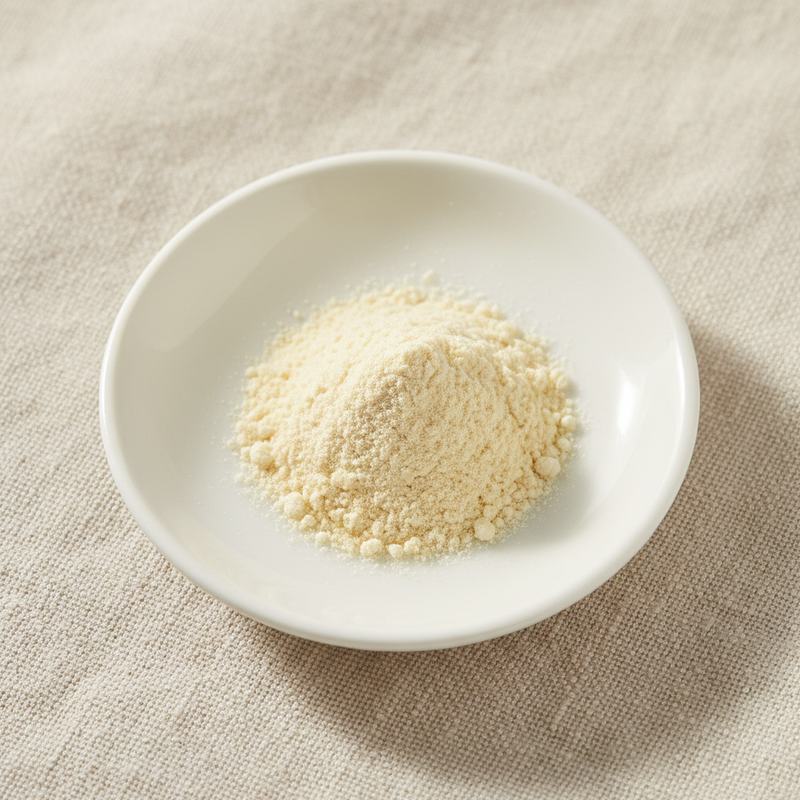
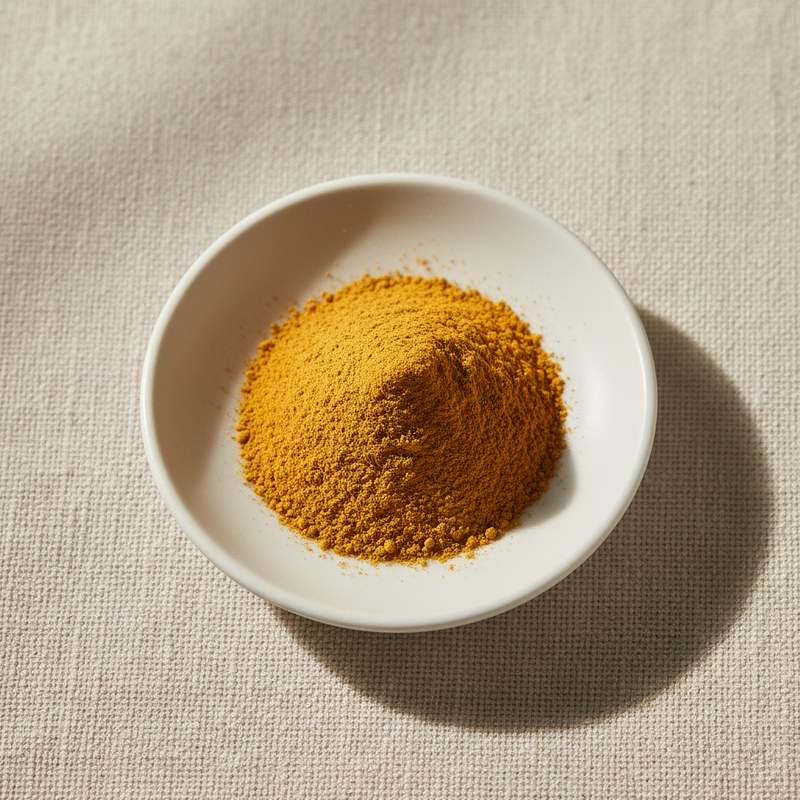
Yellow-brown to brown free-flowing powder with characteristic floral aroma. Highly water-soluble.
We supply food-grade Chrysanthemum Flower Extract from manufacturers in China holding ISO, Halal, Kosher and other certifications relevant to the product and production.
Common market grades include 4:1 to 20:1 herb-to-extract ratios (standard grades), 5 percent Total Flavonoids (standardized supplement grade), 10 percent Total Flavonoids (premium grade), and Apigenin-Enriched Chrysanthemum (the high-end flavonoid-isolate grade). Hangzhou Chrysanthemum (Hang Bai Ju) and Yellow Chrysanthemum (Huang Ju) are the principal cultivar sources.
Bulk and reduced-MOQ shipments. Batch-level COA covering total flavonoids (UV), apigenin (HPLC), luteolin glycosides, residual solvents, heavy metals, pesticides, and microbiology.
Introduction
Chrysanthemum (ju hua) has been used in Traditional Chinese Medicine for over 2,500 years for eye-related complaints, heat-clearing, and circulatory support. The dried flowers are also consumed as a popular herbal tea throughout East Asia, providing a substantial natural food-use safety baseline.
Industrial production proceeds by hot-water or hydroethanolic extraction of dried flowers, followed by purification and standardization to defined flavonoid content.
Recognized as a permitted food ingredient in China, the U.S. (GRAS), and most international markets.
Modern research has identified anti-inflammatory, antioxidant, antimicrobial, and mild antihypertensive activities for Chrysanthemum extract. The flavonoid fraction (apigenin, luteolin glycosides, and acacetin glycosides) drives the antioxidant and anti-inflammatory positioning.
Strategic positioning combines Traditional Chinese Medicine eye-health applications (classical formulas like Qi Ju Di Huang Wan), the substantial Asian functional-beverage market (chrysanthemum tea), and modern supplement applications leveraging the flavonoid profile.
Where it is used
- Eye-health and vision-support dietary supplement formulations
- Traditional Chinese Medicine: ju hua decoctions and classical formula granules including Qi Ju Di Huang Wan
- Functional beverages: chrysanthemum tea, herbal wellness drinks, and ready-to-drink teas (a major consumer category in China)
- Cardiovascular-support supplement formulations
- Heat-clearing and detoxification supplement formulations in Asian markets
- Cosmetic skincare: anti-inflammatory and antioxidant formulations
- Combination supplements with Wolfberry and other eye-health botanicals
Technical data
| Item | Specification |
|---|---|
| Appearance | Yellow-brown to brown free-flowing powder |
| Total flavonoids (UV) | 5% / 10% (grade dependent) |
| Apigenin (HPLC) | ≥ 1% (apigenin-enriched grade) |
| Loss on drying | ≤ 6.0% |
| Residue on ignition | ≤ 6.0% |
| Heavy metals (as Pb) | ≤ 2 mg/kg |
| Total plate count | ≤ 10000 cfu/g |
| Source | Chrysanthemum morifolium flowers |
Related ingredients
Ready to discuss business?
Send us your spec and requirement. We will respond with availability and pricing within 24 hours.