Description
A capsaicinoid-rich extract from Capsicum species (typically Capsicum annuum or Capsicum frutescens), measured either as Scoville Heat Units (SHU) or as percent total capsaicinoids. Used in thermogenic weight-management products, hot sauce and food flavoring applications, and topical pain-relief preparations.
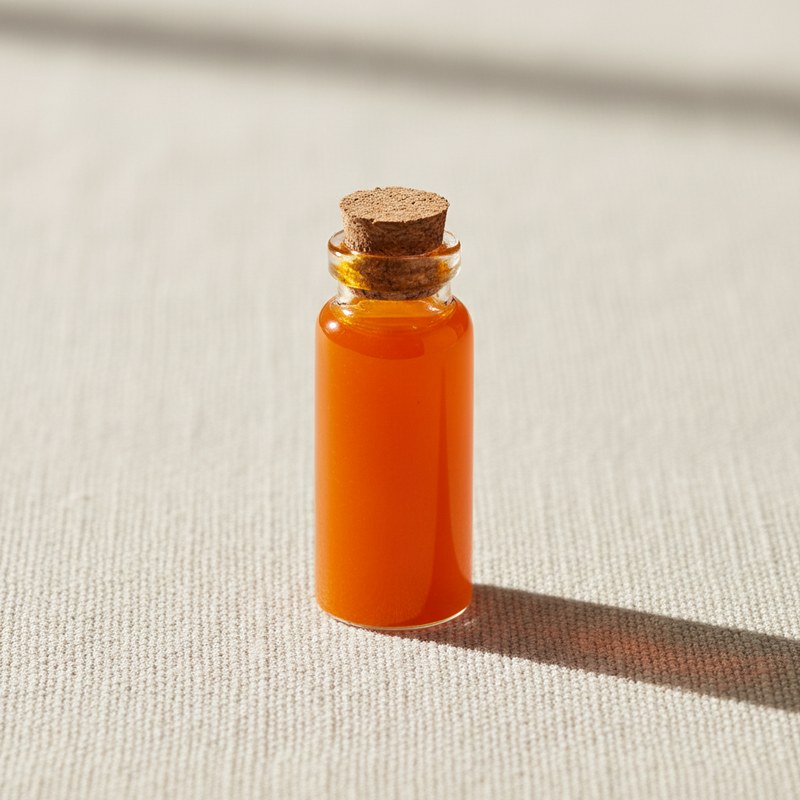
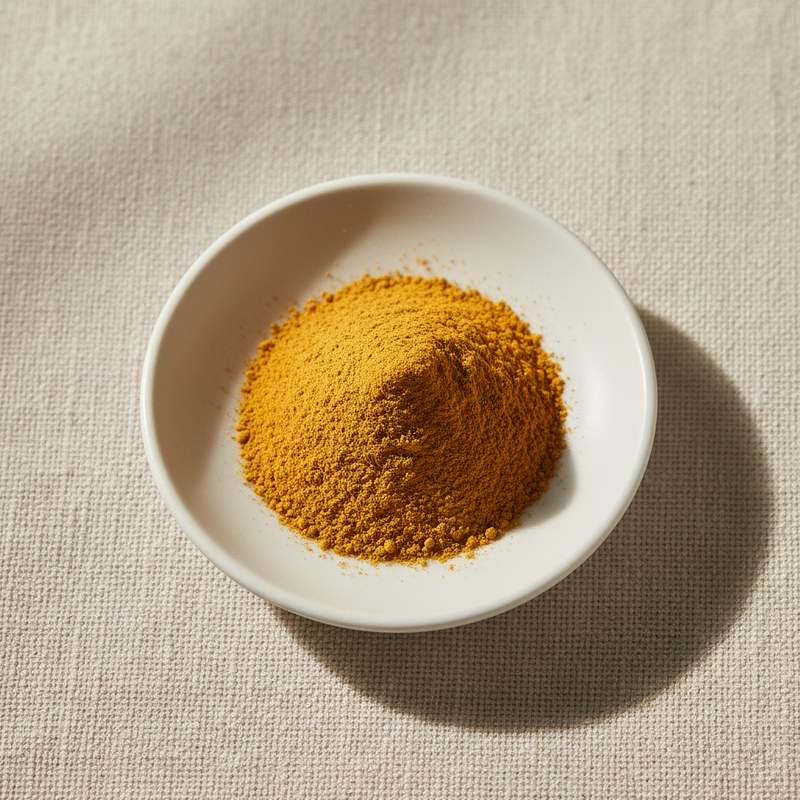
Red-brown to dark red free-flowing powder or oily liquid (oleoresin) depending on grade. Limited water solubility; freely soluble in oils, fats, and ethanol.
We supply food-grade Chili Pepper Extract from manufacturers in China holding ISO, Halal, Kosher and other certifications relevant to the product and production.
Common market grades include Capsicum Oleoresin 100,000 SHU (mild flavoring grade), Capsicum Oleoresin 500,000 SHU (standard hot-sauce grade), Capsicum Oleoresin 1,000,000 SHU (industrial flavoring concentrate), Capsicum Oleoresin 2,000,000 SHU (high-end hot-sauce and self-defense grade), and 95 percent Capsaicinoid Powder (premium supplement and topical-active grade).
Bulk and reduced-MOQ shipments. Batch-level COA covering Scoville Heat Units, total capsaicinoids (HPLC), individual capsaicin and dihydrocapsaicin profile, residual solvents, heavy metals, pesticides, and microbiology.
Introduction
Chili peppers have been cultivated in the Americas for at least 6,000 years and were dispersed globally after the Columbian exchange. Capsaicin, the principal pungent compound, was isolated in 1816 and structurally characterized in 1919.
Industrial production proceeds by solvent extraction (typically ethanol, hexane, or supercritical CO2) of dried chili peppers, yielding an oleoresin that is then standardized to defined SHU or capsaicinoid content. The natural ratio of capsaicin to dihydrocapsaicin is approximately 2:1 in most varieties.
Recognized as a permitted food ingredient by the U.S. FDA (GRAS for food use), the European Food Safety Authority, and equivalent regulators worldwide. Topical capsaicin is FDA-approved for over-the-counter pain relief in the U.S.
Clinical evidence supports modest thermogenic and appetite-suppressing effects at appropriate doses, and substantial evidence supports topical analgesic activity for musculoskeletal and neuropathic pain through TRPV1 receptor desensitization.
Strategic positioning combines the food flavoring volume base, thermogenic supplement applications, and the established topical analgesic pharmaceutical channel.
Where it is used
- Hot sauce and food flavoring applications: the largest volume application globally
- Industrial seasoning and snack-flavor formulations
- Thermogenic weight-management dietary supplements
- Topical pain-relief creams and patches (capsaicin-based products are FDA-approved as OTC topical analgesics)
- Sports nutrition: pre-workout and metabolism-boosting positioning
- Veterinary and agricultural deterrents
- Self-defense product manufacturing
- Functional beverages and energy products in spicy-flavor positioning
Technical data
| Item | Specification |
|---|---|
| Appearance | Red-brown to dark red free-flowing powder or oily oleoresin |
| Scoville Heat Units | 100,000 / 500,000 / 1,000,000 / 2,000,000 SHU (grade dependent) |
| Total capsaicinoids (HPLC) | up to 95% (purified powder grade) |
| Capsaicin to dihydrocapsaicin ratio | approximately 2:1 |
| Loss on drying | ≤ 5.0% |
| Heavy metals (as Pb) | ≤ 2 mg/kg |
| Total plate count | ≤ 1000 cfu/g |
| Source | Capsicum annuum or C. frutescens dried fruit |
Related ingredients
Ready to discuss business?
Send us your spec and requirement. We will respond with availability and pricing within 24 hours.