Description
A clean-label pulse fiber recovered from chickpea hull or from chickpea-flour milling streams. Total dietary fiber typically 60 to 90 percent measured by AOAC 991.43.
Mixed insoluble and soluble fiber with a higher soluble fraction than most pulse fibers, contributing a softer mouthfeel in finished products. Naturally gluten-free, allergen-friendly, and aligned with Mediterranean and plant-forward positioning.
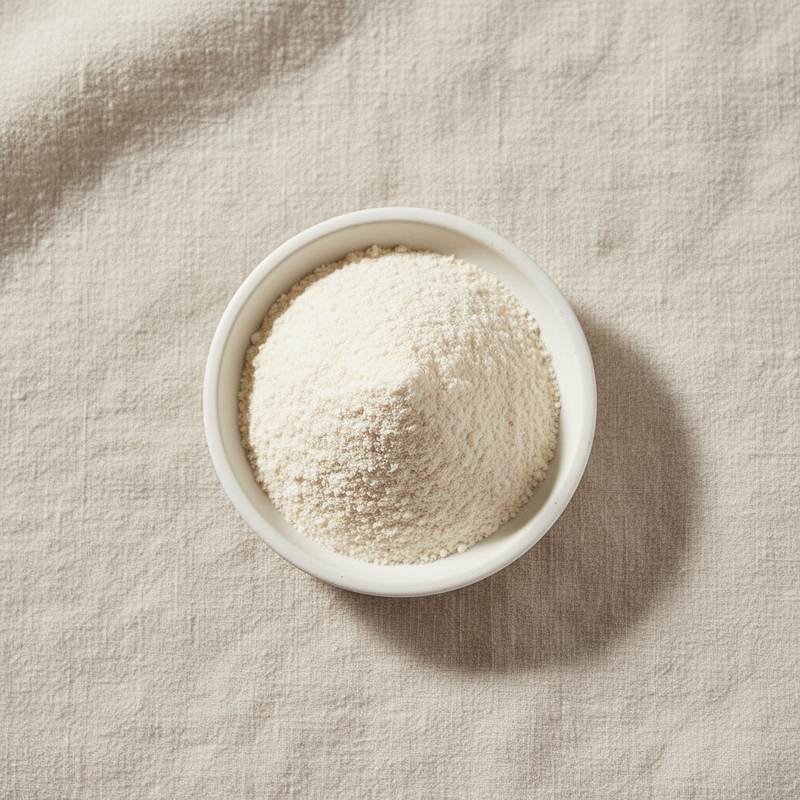
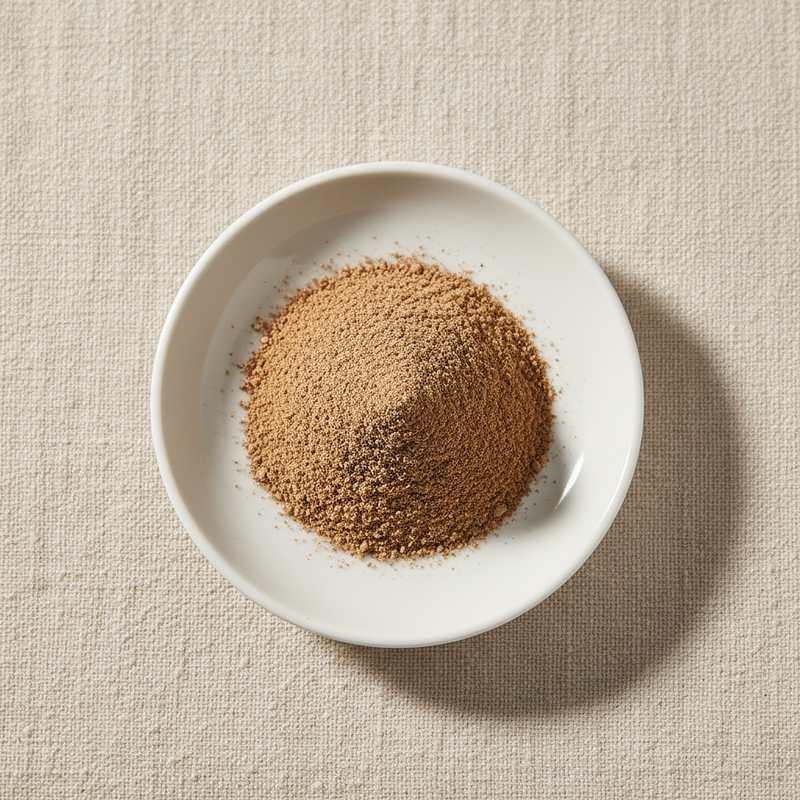
Off-white to light golden powder with a mild legume flavor. Water-holding capacity 4 to 6 times its dry weight. Used as a fiber-claim ingredient and as a functional binder in plant-based products.
We supply food-grade Chickpea Fiber from manufacturers in China and partner sources holding ISO, HACCP, Halal, Kosher, and Non-GMO Project certifications relevant to the product and production.
Common market grades include hull-derived 80 to 90 percent TDF, cotyledon co-product 60 to 70 percent TDF, and micronized grades for beverage and bar applications.
Bulk and reduced-MOQ shipments. Batch-level COA covering fiber content, moisture, ash, protein residue, starch residue, heavy metals, and microbiology.
Introduction
Chickpea Fiber is a co-product of the chickpea-protein and chickpea-flour processing chains that have grown rapidly alongside the broader pulse-protein category. The hull is mechanically removed, milled, and screened to yield a high-fiber stream, while the cotyledon co-product captures residual fiber after protein and starch separation.
The matrix consists of cellulose, hemicellulose, and pectin, with a higher soluble-fiber fraction than wheat or oat fiber, contributing 8 to 15 percent soluble fiber in many commercial grades. Residual starch and protein are controlled by processing.
Regulatory status is favorable across major markets. The U.S. FDA recognizes intrinsic dietary fiber from chickpeas as fiber for nutrition-label purposes. EU labeling permits dietary fiber declaration, and chickpea fiber qualifies under most clean-label, vegan, and free-from positioning frameworks.
Strategic positioning against pea and soy fiber rests on flavor: chickpea fiber delivers a less neutral, more characteristically pulse-like taste that suits Mediterranean, Middle Eastern, and South Asian formulation directions. The ingredient is the natural fiber choice for chickpea-protein-based meat analogues, falafel-style retail products, and the rapidly growing pulse-pasta segment.
Where it is used
- Plant-based meat analogues and falafel-style products
- Gluten-free baked goods, crackers, and snacks
- Protein bars and snack bars positioned for clean-label fiber
- Pasta and noodle products including pulse-based pasta
- Soups, hummus, and dips as a yield extender and fiber claim
- Breakfast cereals and granolas positioned for plant-forward eating
- Dietary supplements and digestive-health formulas
- Pet food and treats
Technical data
| Item | Specification |
|---|---|
| Appearance | Off-white to light golden powder |
| Source | Chickpea (Cicer arietinum) hull or cotyledon |
| Total dietary fiber (AOAC 991.43) | ≥ 60.0% (cotyledon) to ≥ 90.0% (hull) |
| Soluble fiber fraction | 8 to 15% |
| Moisture | ≤ 10.0% |
| Ash | ≤ 5.0% |
| Protein residue | ≤ 8.0% |
| Starch residue | ≤ 5.0% |
| Particle size | 80 to 200 mesh; per customer specification |
| Heavy metals (as Pb) | ≤ 2 mg/kg |
| Arsenic | ≤ 1 mg/kg |
| Total plate count | ≤ 10,000 CFU/g |
| Yeast and mold | ≤ 100 CFU/g |
| E. coli and Salmonella | Negative |
Related ingredients
Ready to discuss business?
Send us your spec and requirement. We will respond with availability and pricing within 24 hours.