Description
An extract from Inonotus obliquus (chaga), a parasitic fungus growing primarily on birch trees in cold northern climates. Standardized to beta-glucan and total polyphenol content. Among the highest natural sources of total polyphenols and melanin pigment among medicinal mushrooms.
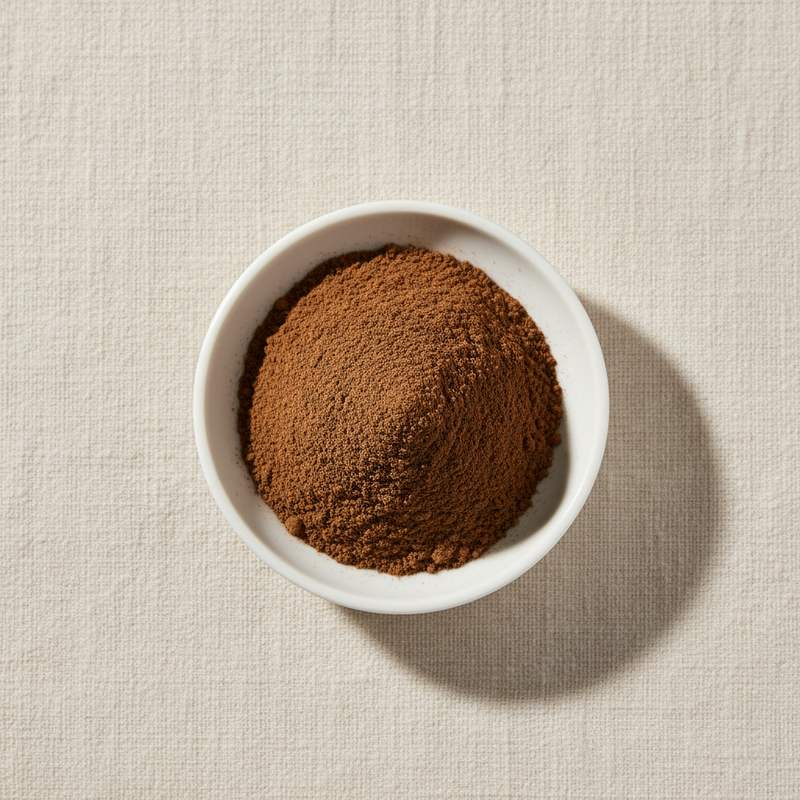
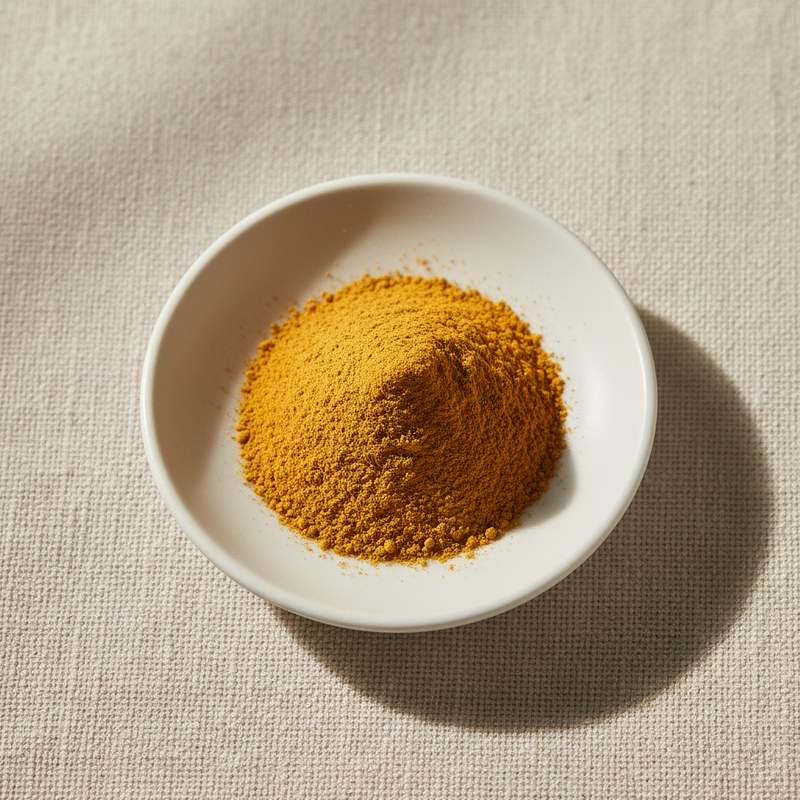
Dark brown to black free-flowing powder. Distinctive earthy aroma. Limited cold-water solubility; freely soluble in hot water (the traditional preparation method).
We supply food-grade Chaga Mushroom Extract from manufacturers in China holding ISO, Halal, Kosher and other certifications relevant to the product and production.
Common market grades include Chaga 4:1 Powder (the supplement workhorse), 10:1 concentrate, 20 percent Polysaccharides (standard supplement grade), 30 percent Polysaccharides (premium grade), 50 percent Polysaccharides (high-end concentrate), and dual-standardized 30 percent Polysaccharides plus 2 percent Triterpenes grade. Wild-harvested versus cultivated material is a meaningful quality distinction.
Bulk and reduced-MOQ shipments. Batch-level COA covering total polysaccharides, beta-glucan content (where standardized), total polyphenols, triterpenes (where standardized), residual solvents, heavy metals, and microbiology.
Introduction
Chaga (Inonotus obliquus) is a fungal pathogen of birch and other hardwood trees in cold-climate northern hemisphere forests. The black sterile conk that forms on infected trees has been used in traditional Russian, Siberian, and Northern European folk medicine for centuries.
Industrial production proceeds by hot-water and ethanol dual extraction of wild-harvested or mycelium-cultivated chaga, followed by concentration and spray-drying. Wild-harvested material is preferred for premium grades; sustainability and authentication are meaningful commercial concerns given growing demand pressure on wild stocks.
Recognized as a permitted food ingredient in most jurisdictions; some markets classify chaga as a novel food requiring specific approvals.
The compound profile combines beta-glucan polysaccharides (the immune-modulating actives common to most medicinal mushrooms), high-concentration polyphenols, triterpenes (inotodiol, betulin, betulinic acid derived from the birch host), and melanin pigments. Total ORAC antioxidant capacity is among the highest reported for any natural source.
Strategic positioning combines premium immune-support supplements, adaptogen blends, and functional beverages.
Where it is used
- Immune-support dietary supplements (the principal commercial application)
- Adaptogen and stress-resilience supplement formulations
- Antioxidant and anti-aging supplements (chaga has very high ORAC values)
- Mushroom-coffee and functional beverage blends
- Traditional Russian and Northern European medicine products
- Premium nutricosmetic and beauty-from-within supplements
- Functional foods: mushroom-fortified bars, powders, beverages
Technical data
| Item | Specification |
|---|---|
| Appearance | Dark brown to black free-flowing powder |
| Total Polysaccharides | 20% / 30% / 50% (grade dependent) |
| Beta-Glucan | ≥ 15% (standardized grades) |
| Triterpenes (where standardized) | ≥ 2.0% |
| Total polyphenols | ≥ 8.0% |
| Loss on drying | ≤ 5.0% |
| Heavy metals (as Pb) | ≤ 2 mg/kg |
| Source | Inonotus obliquus wild-harvested or cultivated |
Related ingredients
Ready to discuss business?
Send us your spec and requirement. We will respond with availability and pricing within 24 hours.