Description
A standardized extract from prickly pear cactus (Opuntia ficus-indica), prepared from either fruit or cladode (pad) tissue, containing betalain pigments, mucilage polysaccharides, and flavonoids. Used in weight-management, blood-sugar-support, and hangover-recovery dietary supplements as well as natural pink-to-red food colorant applications.
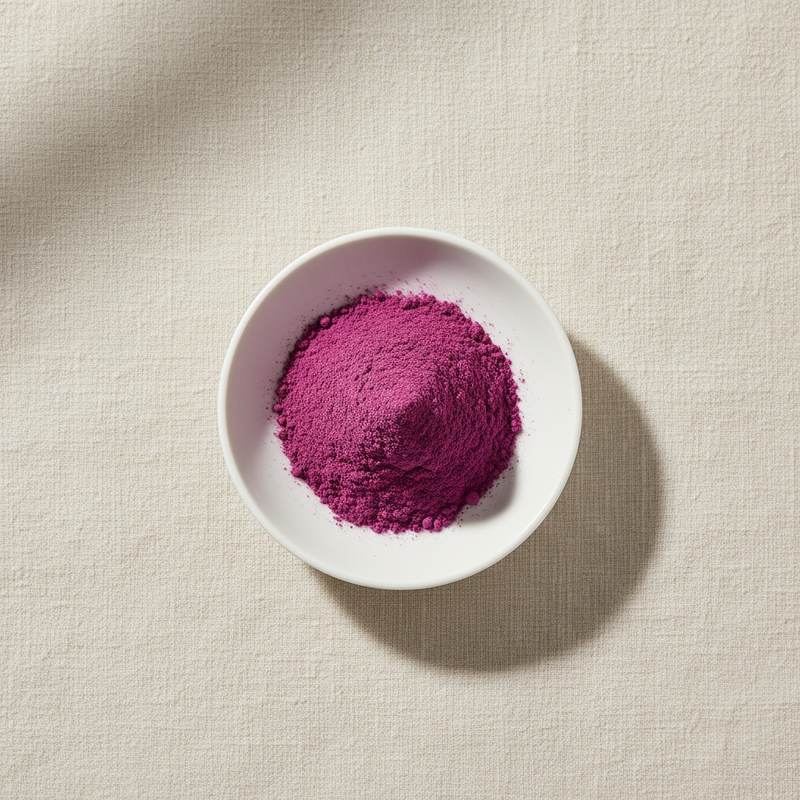
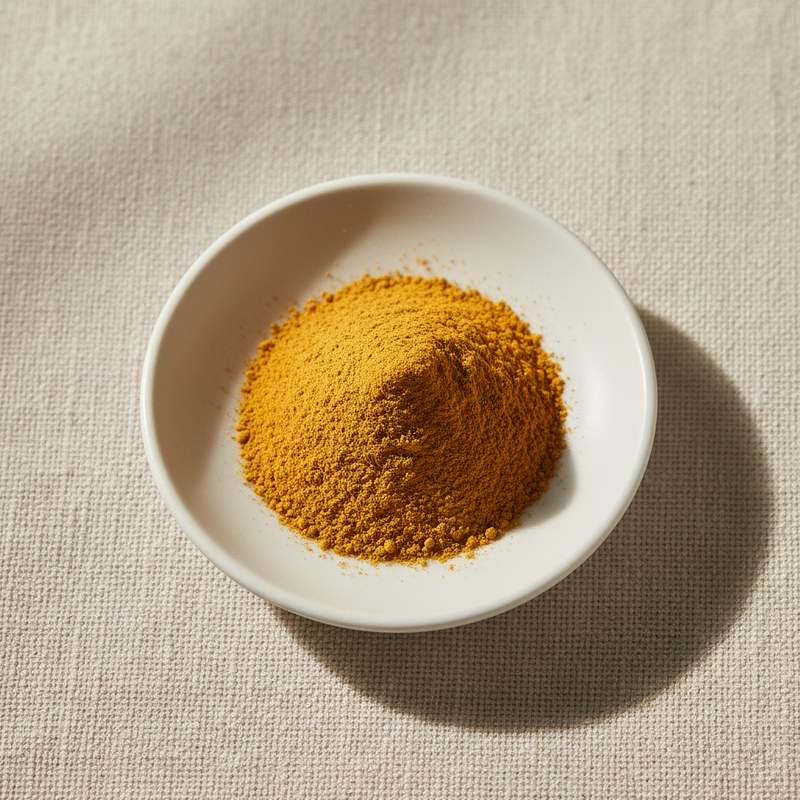
Pink to red-brown free-flowing powder (fruit-derived) or green-yellow free-flowing powder (cladode-derived). Highly water-soluble.
We supply food-grade Cactus Extract from manufacturers in China holding ISO, Halal, Kosher and other certifications relevant to the product and production. Organic-certified grades are available.
Common market grades include 4:1 Cladode Extract (standard supplement grade), 10:1 Cladode Extract (premium concentrated grade), Fruit Powder Spray-Dried (the natural colorant grade), 1 percent Betalains (color-standardized fruit extract grade), and 25 percent Polysaccharides (cladode-derived premium grade).
Bulk and reduced-MOQ shipments. Batch-level COA covering betalain content (UV-Vis) or polysaccharide content where standardized, residual solvents, heavy metals, pesticides, and microbiology.
Introduction
Prickly pear cactus is native to Mexico and has been cultivated for thousands of years across arid regions of the Americas and the Mediterranean. The cladodes (nopales) are consumed as a vegetable in Mexican cuisine, and the fruit (tuna) yields the brilliantly colored juice used both as food and as a natural dye.
Industrial production proceeds by hot-water extraction of either the cladode tissue (for polysaccharide-rich extracts positioned for blood-sugar applications) or the fruit (for betalain-rich extracts positioned as natural colorants and antioxidants). The processed material is then concentrated and spray-dried.
Recognized as a permitted food ingredient by the U.S. FDA, the European Food Safety Authority, and equivalent regulators worldwide. Betalains are approved as natural colorants in food applications (though primary regulatory approval flows through beet-derived betalains).
Clinical research supports hypoglycemic effects of cactus cladode preparations and hangover-recovery benefits documented in a placebo-controlled trial published in 2004.
Strategic positioning combines functional supplement applications in weight-management and blood-sugar segments, natural food colorant uses, and growing superfruit-positioned beverage applications.
Where it is used
- Weight-management dietary supplements (the dominant supplement application)
- Blood-sugar-support and glucose-metabolism positioned formulations
- Hangover-recovery and alcohol-metabolism supplement formulations
- Functional beverages: hydration drinks and superfruit-positioned products
- Natural food colorant applications: pink to red coloring in yogurt, beverages, and confectionery
- Cosmetic skincare: hydrating and soothing topical formulations
- Premium fortified foods with desert-superfood positioning
Technical data
| Item | Specification |
|---|---|
| Appearance | Pink to red-brown (fruit) or green-yellow (cladode) free-flowing powder |
| Concentration ratio (cladode) | 4:1 / 10:1 (grade dependent) |
| Betalains (UV-Vis, where standardized) | ≥ 1% (fruit grades) |
| Polysaccharides (where standardized) | ≥ 25% (cladode grades) |
| Loss on drying | ≤ 6.0% |
| Heavy metals (as Pb) | ≤ 2 mg/kg |
| Total plate count | ≤ 1000 cfu/g |
| Source | Opuntia ficus-indica fruit or cladode |
Related ingredients
Ready to discuss business?
Send us your spec and requirement. We will respond with availability and pricing within 24 hours.