Description
The stabilized isothiocyanate compound generated from broccoli sprout glucoraphanin via myrosinase hydrolysis. Distinct from broccoli extract powders that carry the glucoraphanin precursor, this grade delivers preformed sulforaphane for clinical-grade nutraceutical applications where consistent active delivery is required.
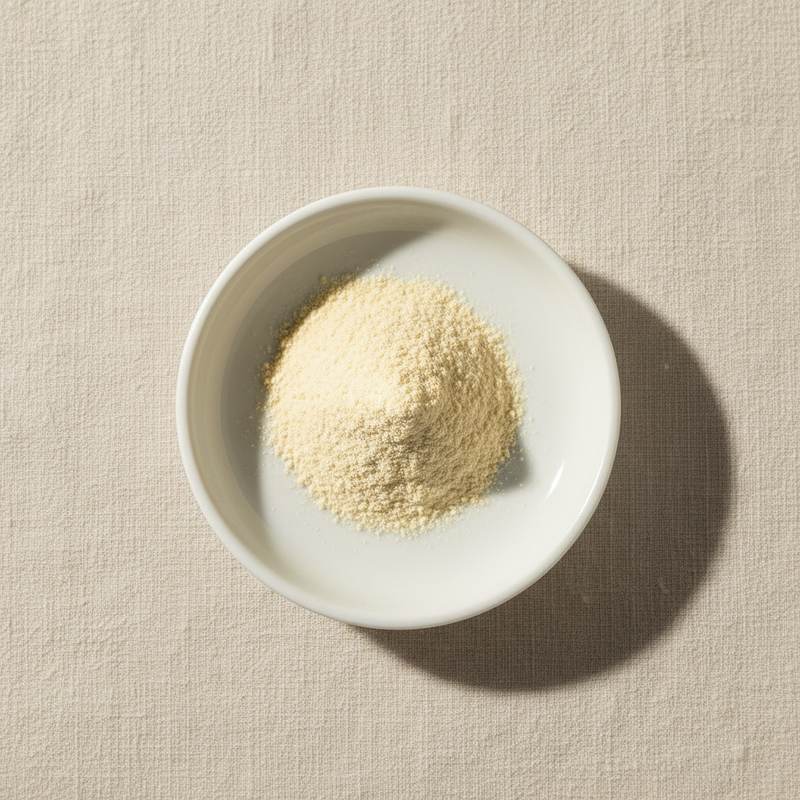
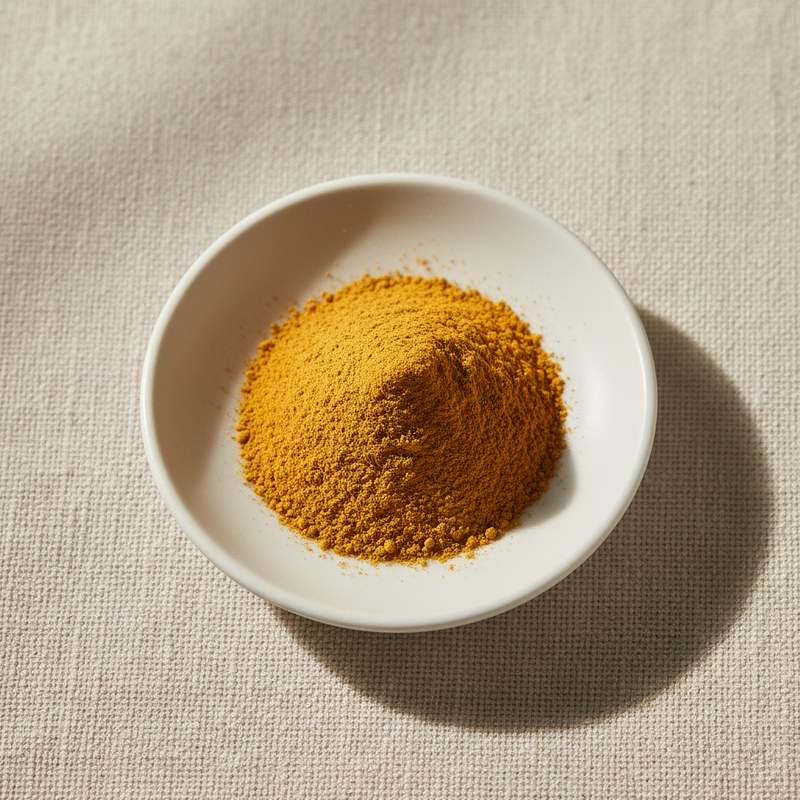
Off-white to pale yellow free-flowing powder, typically formulated on a stabilizing carrier such as cyclodextrin to protect the labile isothiocyanate group.
We supply food-grade Broccoli Sulforaphane from manufacturers in China holding ISO, Halal, Kosher and other certifications relevant to the product and production.
Common market grades include 0.1 percent Sulforaphane (cost-effective baseline), 0.5 percent Sulforaphane (standard premium grade), 1 percent Sulforaphane (high-end clinical-format grade), and Cyclodextrin-Complex Sulforaphane (stability-optimized format with improved shelf life).
Bulk and reduced-MOQ shipments. Batch-level COA covering sulforaphane content (HPLC), moisture, residual solvents, heavy metals, pesticides, and microbiology.
Introduction
Sulforaphane was first isolated and characterized in 1992 by Paul Talalay's group at Johns Hopkins University. The compound was identified as the principal chemoprotective agent in broccoli, acting through induction of phase II detoxification enzymes via the Keap1/Nrf2 pathway.
Industrial production proceeds by controlled enzymatic conversion of glucoraphanin from broccoli sprouts using endogenous or added myrosinase, followed by extraction, stabilization with carriers such as alpha or beta cyclodextrin, and spray-drying. Direct stabilization is essential because free sulforaphane is highly reactive and decomposes rapidly under normal storage conditions.
Recognized as a permitted food ingredient through the GRAS pathway in the U.S. for broccoli sprout preparations and stabilized sulforaphane complexes.
Clinical research has documented effects on autism spectrum behaviors, cancer biomarkers, and oxidative stress endpoints in controlled trials. The compound is among the most extensively studied phytochemicals of the past two decades.
Strategic positioning targets the clinical-grade and functional medicine practitioner channel where verified active content supports premium pricing distinct from commodity broccoli extracts.
Where it is used
- Clinical-grade cellular-health supplements (the dominant premium application)
- Nrf2 pathway activator nutraceutical formulations
- Longevity and healthy-aging premium positioned supplements
- Neurological and cognitive-support clinical formulations
- Detoxification protocols and functional medicine dispensing
- Skincare actives: topical antioxidant and protective formulations
- Pharmaceutical research applications
- Veterinary clinical formulations
Technical data
| Item | Specification |
|---|---|
| Appearance | Off-white to pale yellow free-flowing powder |
| Sulforaphane content (HPLC) | 0.1% / 0.5% / 1% (grade dependent) |
| Carrier | Cyclodextrin or maltodextrin (where applicable) |
| Loss on drying | ≤ 5.0% |
| Residue on ignition | ≤ 5.0% |
| Heavy metals (as Pb) | ≤ 2 mg/kg |
| Total plate count | ≤ 1000 cfu/g |
| Source | Brassica oleracea var. italica sprouts via enzymatic conversion |
Related ingredients
Ready to discuss business?
Send us your spec and requirement. We will respond with availability and pricing within 24 hours.