Description
A standardized extract from broccoli florets, sprouts, or seeds (Brassica oleracea var. italica), characterized by glucoraphanin content. Glucoraphanin is the precursor of sulforaphane, the bioactive isothiocyanate generated on enzymatic hydrolysis by myrosinase. Used in cellular-health, detoxification, and longevity dietary supplements.
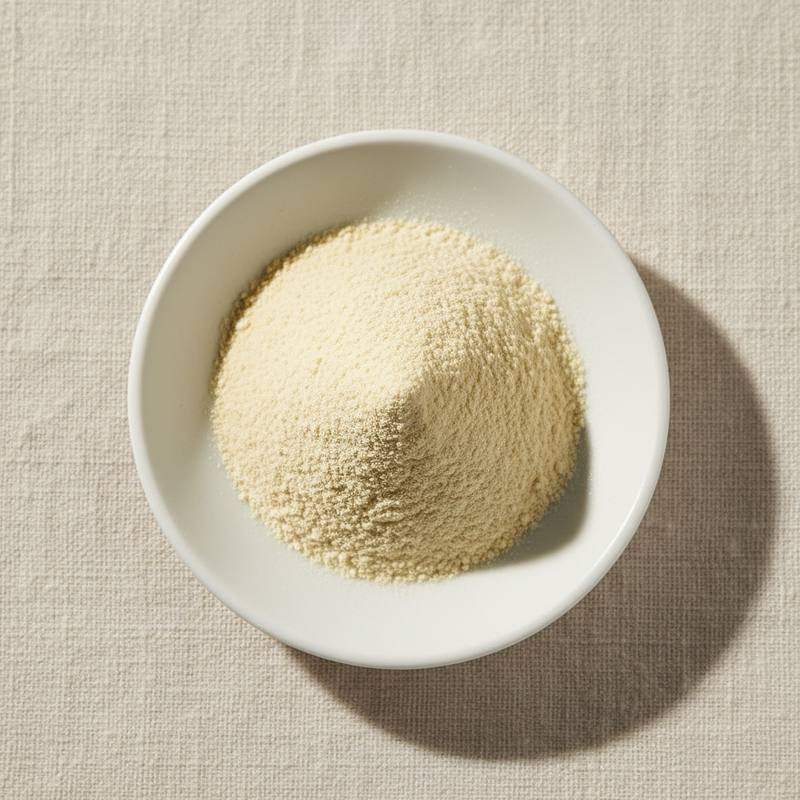
Light yellow to pale green free-flowing powder. Water-soluble at typical formulation rates.
We supply food-grade Broccoli Extract from manufacturers in China holding ISO, Halal, Kosher and other certifications relevant to the product and production.
Common market grades include 0.3 percent Sulforaphane (floret-derived baseline), 1 percent Glucoraphanin (standard supplement grade), 5 percent Glucoraphanin (premium sprout-derived grade), and 13 percent Glucoraphanin (high-end concentrated sprout grade).
Bulk and reduced-MOQ shipments. Batch-level COA covering glucoraphanin content (HPLC), sulforaphane content where applicable, residual solvents, heavy metals, pesticides, and microbiology.
Introduction
Broccoli has been studied since the 1990s for the unique chemoprotective potential of its glucosinolate compounds, particularly glucoraphanin. The compound itself is biologically inert until myrosinase enzyme activity (from the plant tissue or gut microbiota) converts it to sulforaphane.
Industrial production proceeds by hot-water or hydroalcoholic extraction of broccoli sprouts (the richest source) or florets, followed by purification and standardization to defined glucoraphanin content. Sprouts contain 20 to 50 times the glucoraphanin of mature broccoli, which is why premium grades are sprout-derived.
Recognized as a permitted food ingredient in most jurisdictions. The U.S. FDA accepts broccoli sprout preparations as conventional food, and several proprietary sprout extracts hold GRAS notifications.
Clinical research at Johns Hopkins and other institutions has examined glucoraphanin and sulforaphane for Nrf2 pathway activation, with growing evidence for benefits on oxidative stress markers, detoxification enzyme induction, and emerging applications in neurological and metabolic health.
Strategic positioning targets premium cellular-health and longevity supplements where the cruciferous-vegetable phytochemistry supports clean-label and science-driven brand narratives.
Where it is used
- Cellular-health and detoxification dietary supplements (the dominant commercial application)
- Longevity and anti-aging positioned formulations
- Cruciferous-vegetable concentrate capsules and tablets
- Functional beverages and green superfood blends
- Premium clean-label fortified foods
- Sports nutrition: recovery and antioxidant formulations
- Beauty-from-within supplements
- Veterinary supplements for liver and detox support
Technical data
| Item | Specification |
|---|---|
| Appearance | Light yellow to pale green free-flowing powder |
| Glucoraphanin content (HPLC) | 1% / 5% / 13% (grade dependent) |
| Sulforaphane content (where standardized) | ≥ 0.3% (floret) / higher for sprout grades |
| Loss on drying | ≤ 5.0% |
| Residue on ignition | ≤ 5.0% |
| Heavy metals (as Pb) | ≤ 2 mg/kg |
| Total plate count | ≤ 1000 cfu/g |
| Source | Brassica oleracea var. italica sprouts or florets |
Related ingredients
Ready to discuss business?
Send us your spec and requirement. We will respond with availability and pricing within 24 hours.