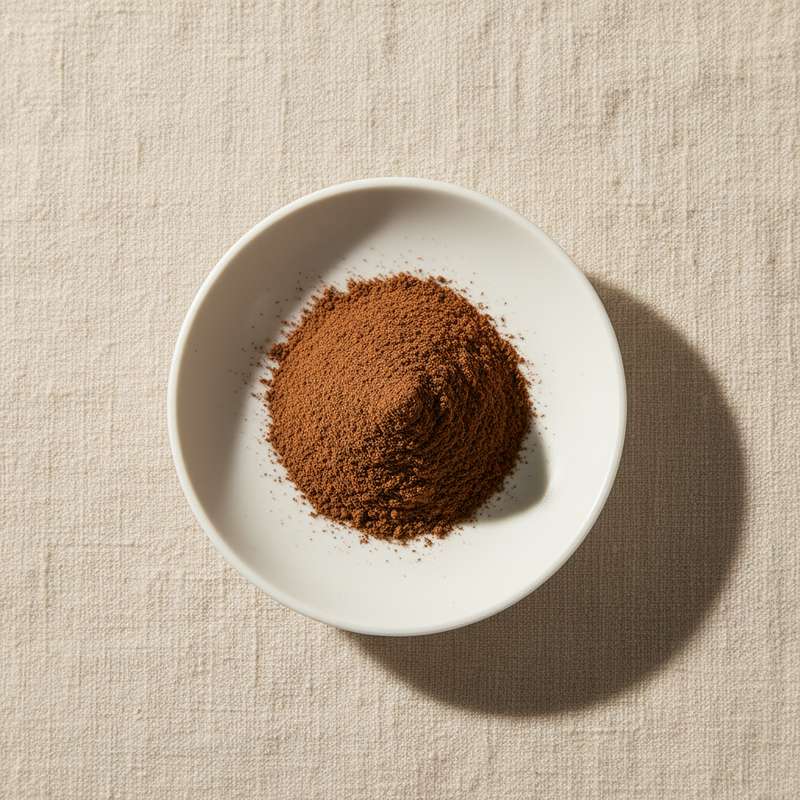
Description
A standardized extract from Black Ginseng, produced by the traditional Korean nine-times-repeated steaming and drying of Panax ginseng (compared with the single steaming used for red ginseng). The processing enriches the rare ginsenoside profile (Rg3, Rg5, Rk1, Rh2, Rh4, compound K) relative to white or red ginseng, supporting premium positioning in the ginseng product hierarchy.
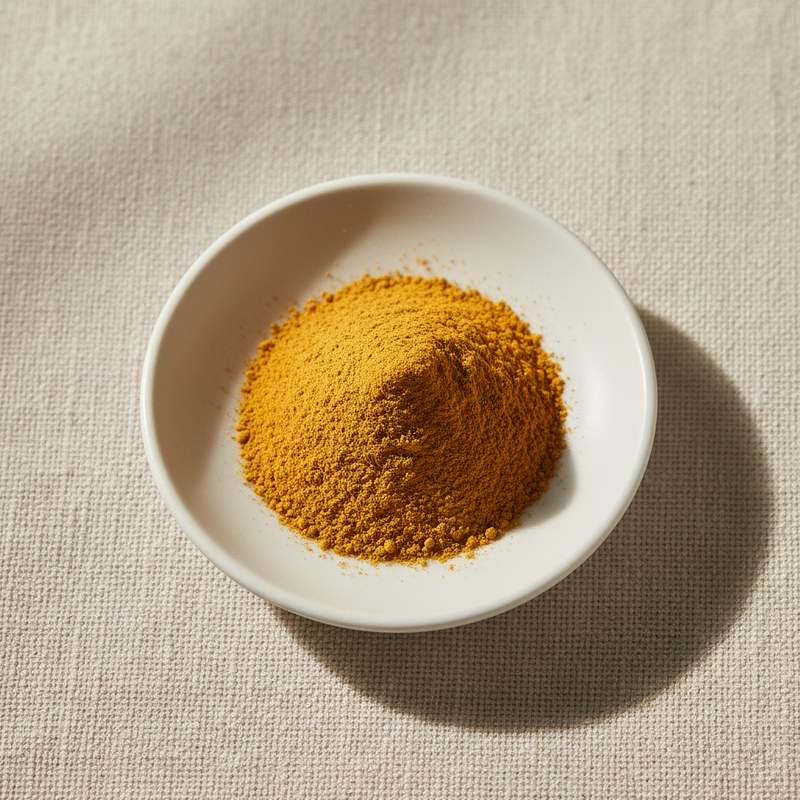
Dark brown to nearly black free-flowing powder with characteristic ginseng aroma. Highly water-soluble.
We supply food-grade Black Ginseng Extract from manufacturers in China holding ISO, Halal, Kosher and other certifications relevant to the product and production.
Common market grades include 10 percent Total Ginsenosides (standard supplement grade), 20 percent Total Ginsenosides (premium grade), 30 percent Total Ginsenosides (high-end grade), and grades standardized to specific rare ginsenosides such as Rg3 5 to 20 percent.
Bulk and reduced-MOQ shipments. Batch-level COA covering total ginsenosides (HPLC), rare ginsenoside profile (Rg3, Rg5, Rk1, Rh2, compound K), residual solvents, heavy metals, pesticides, and microbiology.
Introduction
Black Ginseng emerged as a premium-positioned Korean ginseng category in the late 20th century, building on traditional steaming-and-drying processing methods that have been refined into the standardized nine-times-repeated cycle. The processing converts the major ginsenosides (Rb1, Rb2, Rc, Rd, Re, Rg1) into the rare ginsenosides (Rg3, Rg5, Rk1, Rh2, Rh4) through controlled thermal hydrolysis and dehydration reactions.
Industrial production proceeds by nine cycles of steaming and drying of dried Panax ginseng roots, followed by hot-water extraction, concentration, and spray-drying. The processing is energy-intensive and time-consuming, supporting the substantial price premium over conventional white or red ginseng.
Recognized as a permitted food ingredient in Korea (where it is regulated as a functional food), China, and most international markets.
The rare ginsenosides have substantially higher cell-membrane permeability and bioavailability than the major ginsenosides, supporting stronger pharmacological activity per mg of total ginsenoside content. Clinical evidence specifically for Black Ginseng (versus generic ginseng) is more limited but supports premium positioning.
Strategic positioning targets the premium ginseng supplement segment globally, particularly in Asian markets where ginseng product hierarchies and rare-ginsenoside positioning are well-established consumer concepts.
Where it is used
- Premium energy and vitality dietary supplements: the dominant commercial application
- Cognitive-support and memory supplement formulations
- Sexual-health and libido-support supplements
- Sports nutrition: adaptogen-positioned performance supplements
- Premium Traditional Korean and Chinese Medicine product formulations
- Anti-aging and longevity supplement formulations
- Functional beverages: premium ginseng tonics and energy drinks
- Cosmetic skincare: premium anti-aging serums and brightening formulations
Technical data
| Item | Specification |
|---|---|
| Appearance | Dark brown to nearly black free-flowing powder |
| Total ginsenosides (HPLC) | 10% / 20% / 30% (grade dependent) |
| Rare ginsenoside (Rg3+Rg5+Rk1) content | ≥ 30% of total ginsenosides |
| Loss on drying | ≤ 5.0% |
| Residue on ignition | ≤ 5.0% |
| Heavy metals (as Pb) | ≤ 2 mg/kg |
| Total plate count | ≤ 1000 cfu/g |
| Source | Panax ginseng roots (nine-times-steamed) |
Related ingredients
Ready to discuss business?
Send us your spec and requirement. We will respond with availability and pricing within 24 hours.