Description
Bifidobacterium bifidum is the type species of the Bifidobacterium genus and one of the dominant species in the infant gut microbiome of breastfed infants. It is highly specialized for the utilization of human milk oligosaccharides.
Supplied as a freeze-dried powder with viability between 50 and 300 billion CFU per gram at release. The species is the most oxygen-sensitive of the commercial Bifidobacterium and requires careful manufacture and packaging to retain viability.
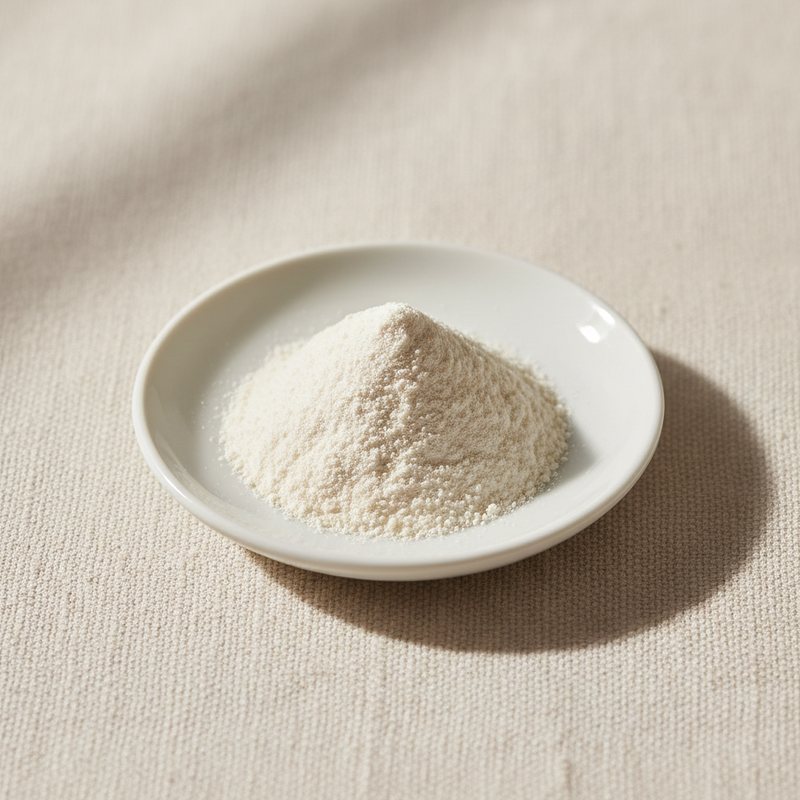
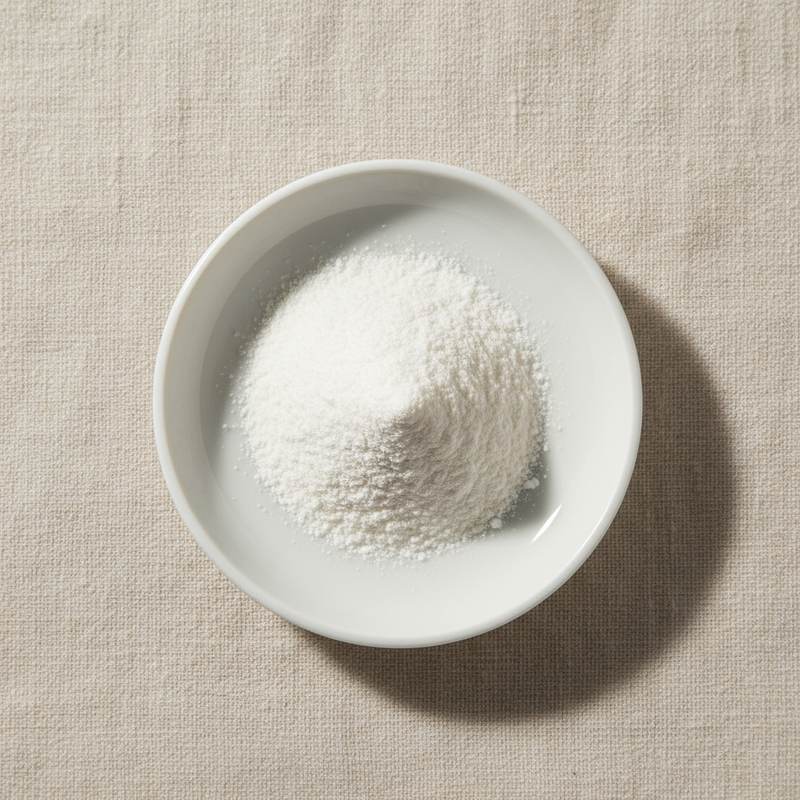
Off-white to pale beige free-flowing powder with a faintly fermented note. Particle size suitable for capsule filling, infant drops, and sachet formats.
We supply food-grade Bifidobacterium bifidum from manufacturers in China holding ISO 22000, FSSC 22000, Halal, Kosher, and other certifications relevant to probiotic strain production.
Common market grades include 50, 100, and 300 billion CFU per gram freeze-dried powders, microencapsulated grades using protein and lipid coatings for stability, and infant-grade formulations qualified for pediatric and infant formula applications. Bulk and reduced-MOQ shipments with batch-level COA covering viable count, strain identity, moisture, heavy metals, and pathogen panel.
Introduction
Bifidobacterium bifidum was originally isolated by Henry Tissier from breastfed infant feces in 1899 under the name Bacillus bifidus communis and is the founding species of the genus that bears its name. Reference strains include ATCC 29521 and multiple proprietary infant-derived commercial strains.
The species expresses an extensive enzyme repertoire for fucosylated and sialylated human milk oligosaccharide degradation, supporting its dominance in the breastfed infant colon. This genetic basis underpins its preferred role in infant probiotic and synbiotic formulations.
Industrial production requires strictly anaerobic conditions, cysteine-supplemented media, and oxygen-protected downstream processing. Cryoprotectant blending typically uses trehalose, skim milk, or sucrose, followed by lyophilization. Oxygen-impermeable packaging is essential for shelf life.
Regulatory status includes GRAS notifications with FDA, Qualified Presumption of Safety listing in the European Union, and acceptance for infant formula use under several national regulatory frameworks.
Clinical evidence supports use in infant gut microbiome development, reduction of crying time in infantile colic, and as part of multi-strain blends for adult gut and immune health.
Where it is used
- Infant and pediatric probiotic drops, sachets, and powders
- Infant formula fortification
- Adult capsules for gut microbiome restoration
- Postbiotic and synbiotic blends
- Functional yogurt and fermented dairy adjuncts
- Senior gut barrier and immune products
- Multi-strain probiotic stacks
- Vaginal and women's health formulations
- Tyndallized cell applications in topical microbiome products
Technical data
| Item | Specification |
|---|---|
| Appearance | Off-white to pale beige free-flowing powder |
| Viable cell count | ≥ 100 billion CFU/g (50B, 100B, 300B grades) |
| Strain identity | Confirmed by 16S rRNA sequencing and species-specific PCR |
| Moisture (loss on drying) | ≤ 4.0% |
| Particle size | ≥ 95% through 80 mesh |
| Heavy metals (as Pb) | ≤ 1 mg/kg |
| Arsenic | ≤ 0.5 mg/kg |
| Salmonella | Absent in 25 g |
| E. coli | Absent in 10 g |
| Staphylococcus aureus | Absent in 10 g |
| Yeast and mold | ≤ 50 CFU/g |
| Shelf life | 18 to 24 months from manufacture under recommended storage |
| Storage | −18 °C sealed; 2 to 8 °C after opening |
Related ingredients
Ready to discuss business?
Send us your spec and requirement. We will respond with availability and pricing within 24 hours.