Description
A naturally occurring sodium-activated montmorillonite clay used as a fining agent in wine, beer, juice, and vinegar production to remove proteins, polyphenols, and haze-forming particles by adsorption and flocculation.
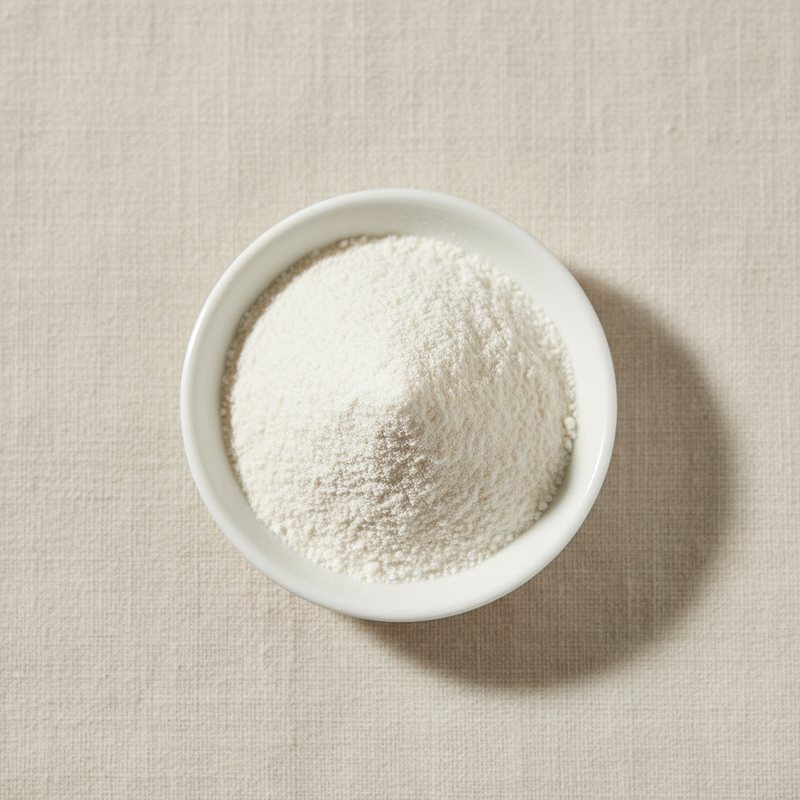
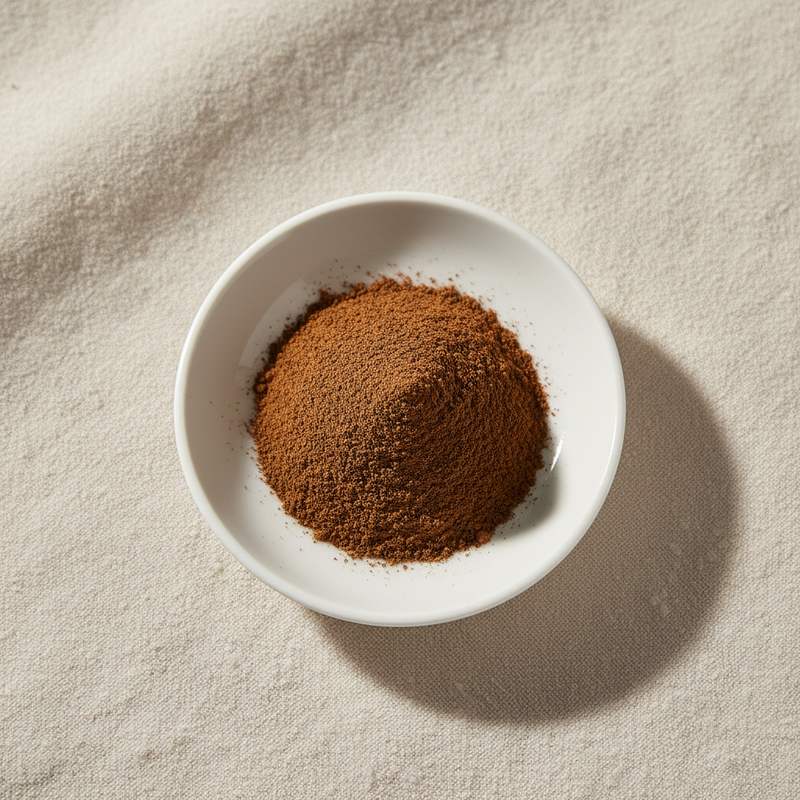
Off-white to pale yellow free-flowing powder or granules. Swells dramatically in water (5 to 15-fold volume expansion) to form a thixotropic gel with a large negatively charged surface area that binds positively charged protein and polyphenol particles.
We supply food-grade Bentonite from manufacturers in China holding ISO, Halal, Kosher and other certifications relevant to the product and production.
Common market grades include sodium-activated (Na-bentonite) for high-swell wine fining, calcium bentonite for protein-haze reduction in juice and beer, granulated rapid-rehydration formats for cellar use, and ultra-low-iron grades to prevent iron casse in white wine.
Bulk and reduced-MOQ shipments. Batch-level COA covering swelling index, montmorillonite content, iron, arsenic, and heavy metals.
Introduction
Bentonite is a sedimentary clay deposit formed from weathered volcanic ash, with montmorillonite as the dominant clay mineral. It was identified and named for deposits near Fort Benton, Wyoming, in 1898 and reached commercial scale in food and beverage applications from the 1930s onward.
The functional property in beverage fining is the cation-exchange capacity of montmorillonite: each clay platelet carries a permanent negative charge balanced by interlayer cations (sodium or calcium) that exchange readily with charged particles in solution. Wine proteins, at the pH of must, carry a net positive charge and adsorb strongly to the clay surface.
Sodium bentonite, the higher-swelling form, is preferred for wine because it produces lighter, more compact lees and removes less wine on settling. Calcium bentonite is harder to disperse but is sometimes selected for juice and beer where rapid sedimentation is more valuable than yield.
Regulated as a processing aid rather than a food ingredient in most jurisdictions: the EU permits bentonite as a wine treatment under OIV codex limits, the U.S. FDA recognizes bentonite as Generally Recognized as Safe under 21 CFR 184.1155, and the substance does not require labeling on the finished beverage because it is removed by sedimentation and filtration before bottling.
Where it is used
- White and rosé wine protein stabilization to prevent heat-induced haze
- Red wine fining to soften tannins and brighten color
- Apple, pear, and grape juice clarification
- Beer haze reduction and chill-proofing alongside silica or PVPP
- Vinegar clarification
- Mead and cider production for protein and pectin removal
- Cooking sake (seishu) clarification and protein stabilization
- Sugar refining and syrup decolorization
- Carrier for inoculants and feed additives in animal nutrition
Technical data
| Item | Specification |
|---|---|
| Appearance | Off-white to pale yellow powder or granules |
| Montmorillonite content | ≥ 85% |
| Swelling index | ≥ 24 ml/2 g (Na grade) |
| Moisture | ≤ 12.0% |
| pH (5% suspension) | 8.0 to 10.5 |
| Iron (Fe2O3) | ≤ 5.0% |
| Calcium oxide (CaO) | ≤ 3.0% (Na grade) |
| Arsenic | ≤ 2 mg/kg |
| Lead | ≤ 5 mg/kg |
| Cadmium | ≤ 1 mg/kg |
| Particle size | 60 to 200 mesh, per customer specification |
Related ingredients
Ready to discuss business?
Send us your spec and requirement. We will respond with availability and pricing within 24 hours.