Description
A fat-soluble derivative of Vitamin B1 (thiamine) with substantially higher bioavailability than water-soluble thiamine forms. The dominant lipid-soluble thiamine derivative used in diabetic neuropathy supplementation and glycation-protection positioning.
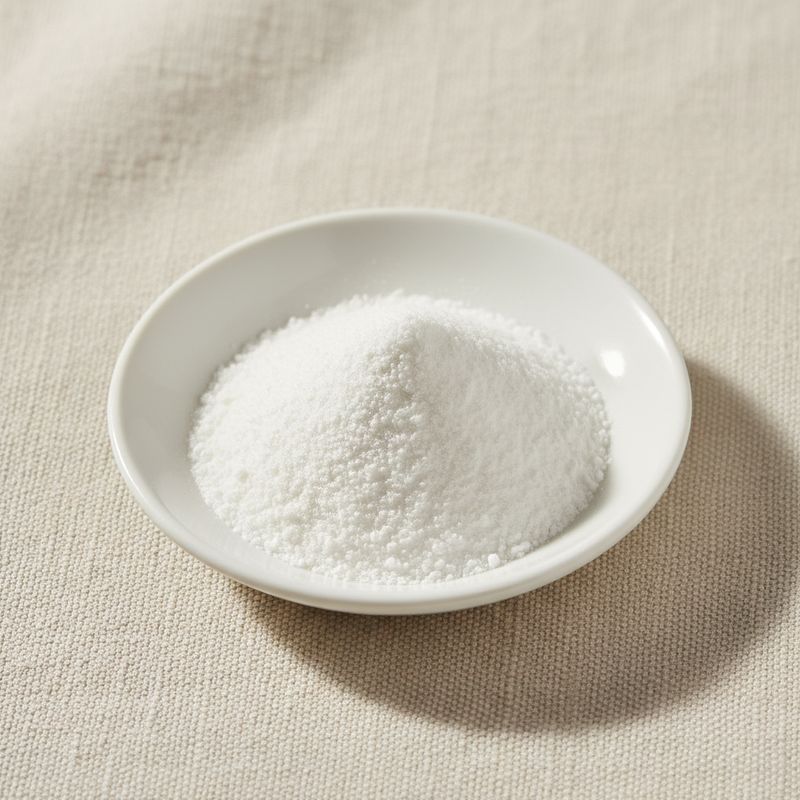
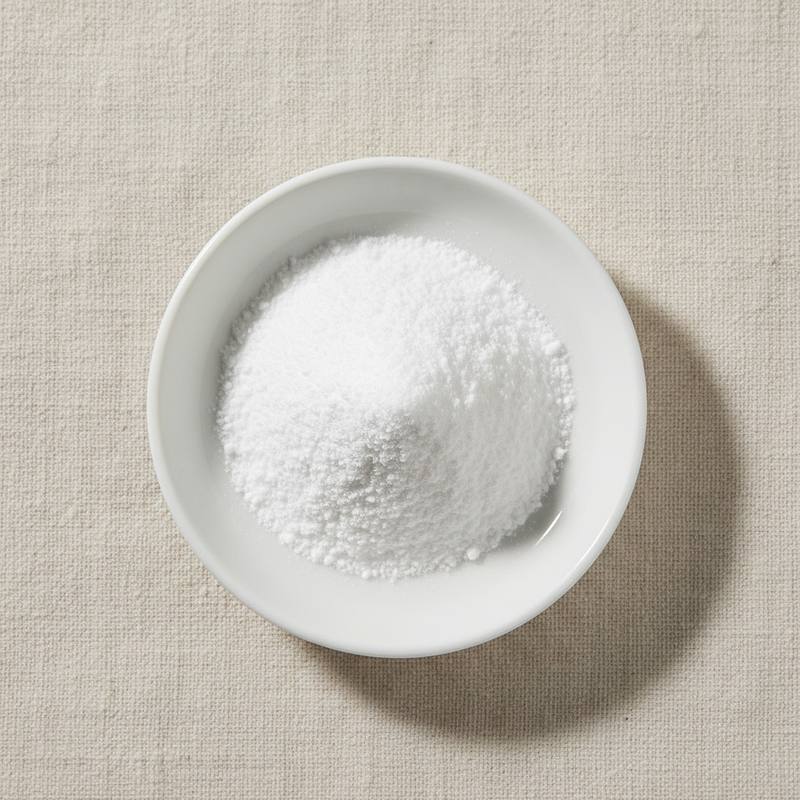
White to off-white crystalline powder. Stable under normal storage conditions; less hygroscopic than water-soluble thiamine forms. Typical supplement doses are 150 to 600 milligrams.
We supply pharmaceutical-grade and supplement-grade Benfotiamine from manufacturers in China holding ISO, Halal, Kosher and other certifications relevant to the product and production.
Common market grades include Pharmaceutical Grade (≥ 98 percent purity, meeting JP and CP specifications) and Supplement Grade (FCC compliant). Direct-compression and standard powder formats available.
Bulk and reduced-MOQ shipments. Batch-level COA covering assay, related substances, water content, heavy metals, and microbiology.
Introduction
Benfotiamine is a fat-soluble S-acyl derivative of thiamine developed in Japan in the 1950s to overcome the limited intestinal absorption of water-soluble thiamine forms. The fat-soluble nature provides substantially higher tissue concentrations of active thiamine after oral dosing.
Industrial production proceeds by chemical synthesis from thiamine through reaction with benzoyl chloride and phosphorylation. The synthesis yields the S-benzoyl O-phosphate ester which is stable in solid form and converted to active thiamine pyrophosphate in tissues.
Approved as a prescription pharmaceutical for diabetic peripheral neuropathy in Germany (since 1993), Japan, South Korea, and several other Asian markets. Approved as a dietary supplement ingredient in the United States with multiple New Dietary Ingredient notifications.
Strategic positioning is premium supplement and clinical applications, particularly the diabetic complication management segment. Research-supported claims include reduction of advanced glycation end-product accumulation, supporting the anti-aging and metabolic-health positioning of premium supplement formulations.
The clinical literature supports preferential use of Benfotiamine over water-soluble thiamine forms for any application requiring high tissue thiamine concentrations, including diabetic neuropathy and certain alcohol-recovery protocols. Standard public-health thiamine fortification continues to use the conventional water-soluble Vitamin B1 forms.
Where it is used
- Diabetic complication management supplements: peripheral neuropathy, retinopathy, and nephropathy support
- Pharmaceutical preparations in Germany, Japan, and several Asian markets (prescription products)
- Anti-glycation and anti-aging supplement formulations
- Sports nutrition and energy formulations targeting carbohydrate metabolism
- Multivitamin formulations in the premium segment
- Cognitive-support and nootropic supplement blends
- Cardiovascular-support formulations
- Veterinary applications in performance-animal nutrition
Technical data
| Item | Specification |
|---|---|
| Appearance | White to off-white crystalline powder |
| Assay (dry basis) | 98.0% to 102.0% |
| Loss on drying | ≤ 1.0% |
| Residue on ignition | ≤ 0.2% |
| Related substances | ≤ 1.5% |
| Heavy metals (as Pb) | ≤ 10 mg/kg |
| Arsenic | ≤ 3 mg/kg |
| Melting point | 165 °C to 168 °C |
| Particle size | Per customer specification |
Related ingredients
Ready to discuss business?
Send us your spec and requirement. We will respond with availability and pricing within 24 hours.