Description
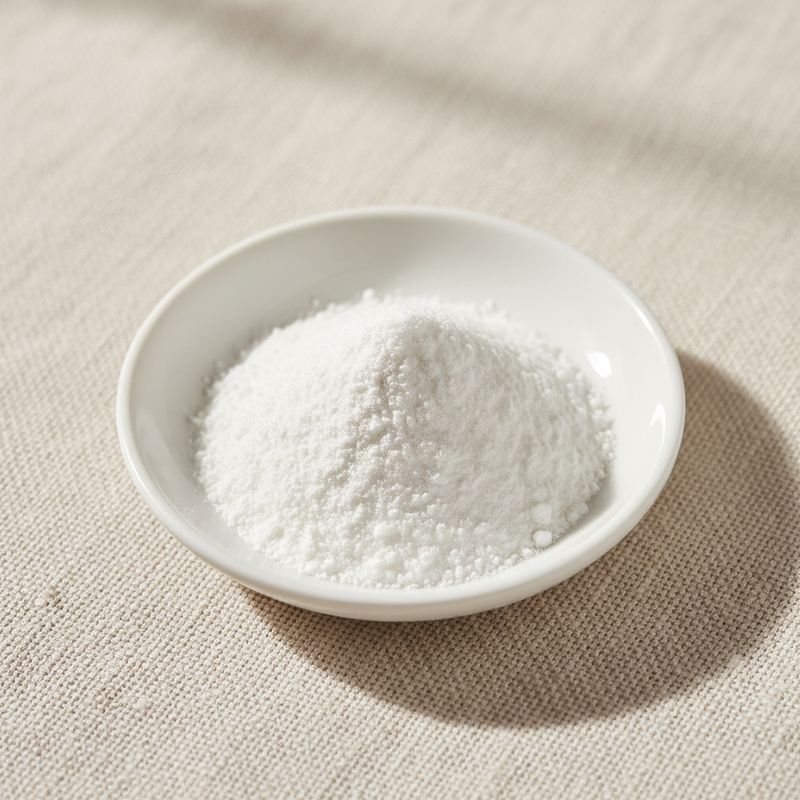
Vitamin B1 (thiamine), an essential water-soluble vitamin that functions as the precursor to thiamine pyrophosphate, the coenzyme required for carbohydrate metabolism and neural function. Supplied in both dominant commercial forms (Thiamine Hydrochloride and Thiamine Mononitrate) under this general Vitamin B1 listing.
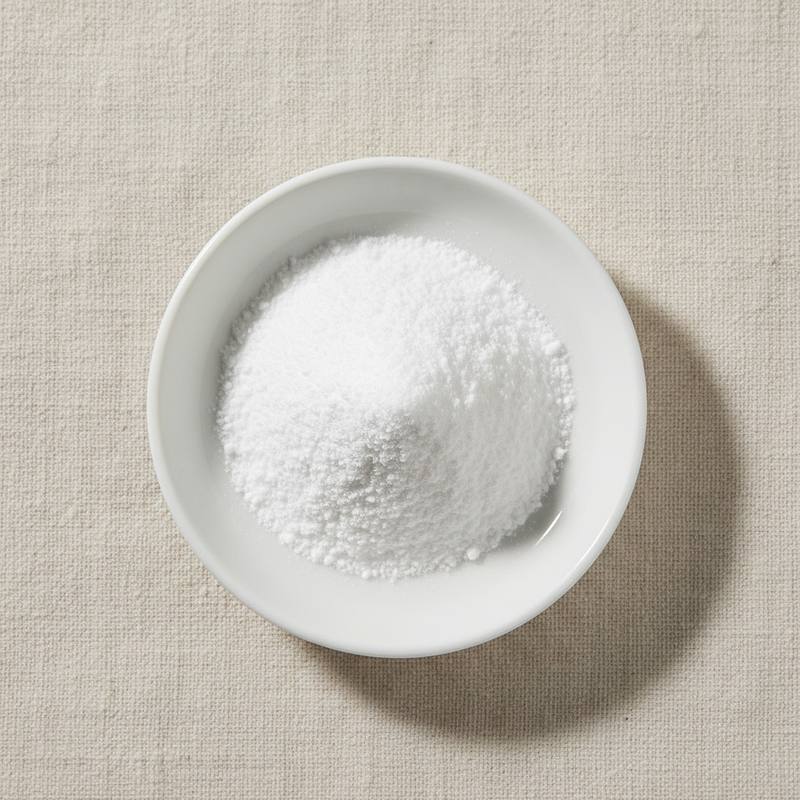
White to almost white crystalline powder for both forms. Slight characteristic odor. Thiamine HCl is freely water-soluble and preferred for liquid pharmaceutical and beverage formulations; Thiamine Mononitrate is less hygroscopic and preferred for dry food fortification.
We supply food-grade, feed-grade, and pharmaceutical-grade Vitamin B1 from manufacturers in China holding ISO, Halal, Kosher and other certifications relevant to the product and production.
Common market grades include Thiamine Mononitrate Standard Food Grade (the dominant form for cereal fortification globally), Thiamine HCl Food Grade (for beverages and liquid formulations), Pharmaceutical Grade in both forms meeting BP/USP/EP/JP specifications, and feed-grade variants for animal nutrition.
Bulk and reduced-MOQ shipments. Batch-level COA covering assay, related substances, loss on drying, heavy metals, and microbiology.
Introduction
This SKU is the general Vitamin B1 listing covering both Thiamine HCl and Thiamine Mononitrate, the two dominant commercial forms. Buyers select the specific form at order entry; both convert to the same active coenzyme in the body and are nutritionally equivalent.
Vitamin B1 was the first B vitamin to be discovered, isolated in 1926 by Dutch and Japanese researchers investigating beriberi disease in rice-eating populations. Industrial production proceeds by chemical synthesis through a multi-step pathway, yielding thiamine free base which is then converted to the hydrochloride salt or mononitrate salt for stability.
Listed in BP, USP, EP, and JP pharmacopoeias under separate Thiamine Hydrochloride and Thiamine Mononitrate monographs. Recognized as a permitted food ingredient by the U.S. FDA and the European Food Safety Authority. Recommended Dietary Allowance is 1.1 to 1.2 mg per day for adults.
The choice between HCl and Mononitrate is application-driven: HCl is freely water-soluble and preferred for liquid pharmaceutical and beverage applications; Mononitrate is less water-soluble but more stable in dry fortified foods and dominates flour and cereal fortification globally. Public-health significance includes mandatory fortification in many Asian and Latin American countries to prevent beriberi.
Where it is used
- Fortified flour, bread, breakfast cereals, and pasta; mandatory in many countries (Mononitrate form is standard)
- Dietary supplements: B-complex, multivitamin, and energy-positioned formulations
- Pharmaceutical applications: tablets, capsules, injectable preparations, alcohol-recovery treatment
- Animal feed: poultry, swine, aquaculture, and dairy fortification
- Infant formula and clinical nutrition
- Energy drinks and functional beverages (HCl form)
- Sports nutrition products
- Beriberi prevention in rice-based diets (the ongoing public-health application)
Technical data
| Item | Specification |
|---|---|
| Appearance | White to almost white crystalline powder |
| Assay (HCl, dry basis) | 98.5% to 101.0% |
| Assay (Mononitrate, dry basis) | 98.0% to 101.0% |
| Loss on drying | ≤ 5.0% (HCl) / ≤ 1.0% (Mononitrate) |
| Residue on ignition | ≤ 0.2% |
| pH (5% solution, HCl) | 2.7 to 3.4 |
| Nitrate (Mononitrate form) | 18.0% to 19.0% |
| Heavy metals (as Pb) | ≤ 10 mg/kg |
| Particle size | Per customer specification |
Related ingredients
Ready to discuss business?
Send us your spec and requirement. We will respond with availability and pricing within 24 hours.