Description
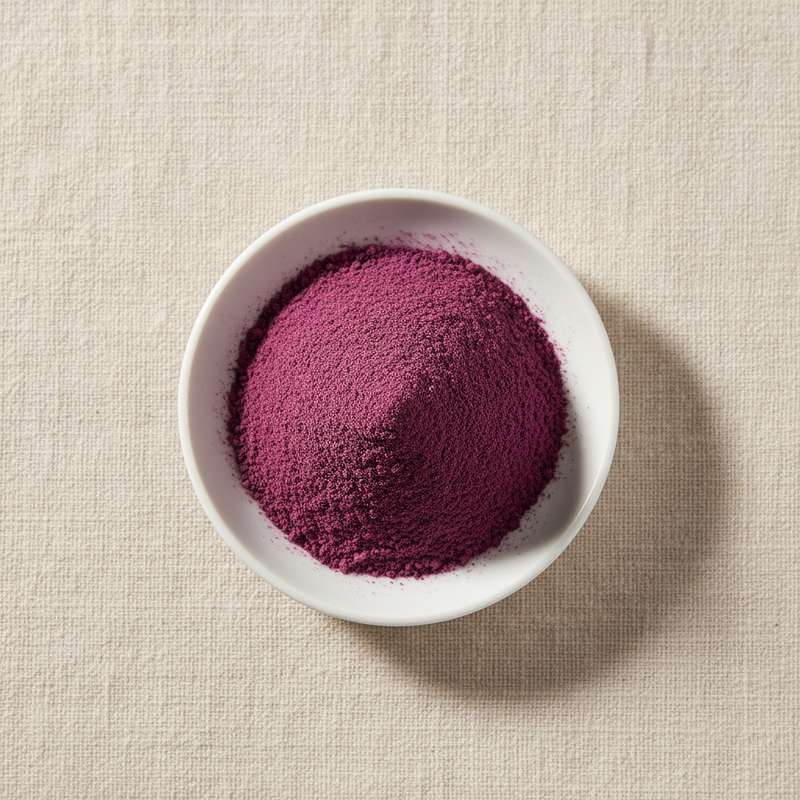
A standardized flavonoid pigment complex extracted from berries and fruits such as bilberry, blueberry, blackcurrant, elderberry, or aronia, characterized by total anthocyanin or anthocyanidin content. Used as a potent natural antioxidant in dietary supplements, as a natural pink-to-purple food colorant (E163), and in cosmetic skincare antioxidant formulations.
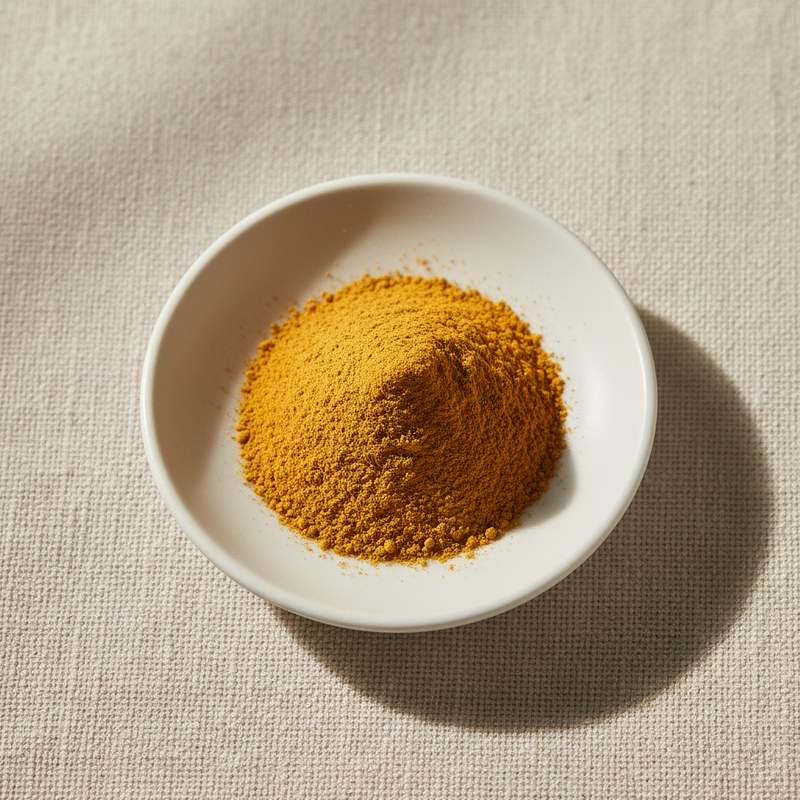
Dark red to dark purple free-flowing powder. Highly water-soluble. Color stability is pH-dependent (stable red to pink at acid pH, shifting to blue-purple at neutral pH and unstable at alkaline pH).
We supply food-grade Anthocyanidins from manufacturers in China holding ISO, Halal, Kosher and other certifications relevant to the product and production. Source-specific grades (bilberry-derived, blueberry-derived) and organic-certified grades are available.
Common market grades include 5 percent Anthocyanins (food-fortification baseline), 25 percent Anthocyanins (standard supplement grade by pH-differential method), 36 percent Anthocyanins (the premium bilberry standardized grade matching the European pharmaceutical specification), and 80 percent Color Value (the natural-colorant grade).
Bulk and reduced-MOQ shipments. Batch-level COA covering anthocyanin content (UV-Vis by pH-differential method), HPLC profile of the major anthocyanin pigments, residual solvents, heavy metals, pesticides, and microbiology.
Introduction
Anthocyanidins and their glycoside forms (anthocyanins) are a class of flavonoid pigments responsible for the red, purple, and blue colors of many fruits, vegetables, and flowers. Bilberry (Vaccinium myrtillus) is the highest natural source, followed by blackcurrant, elderberry, and aronia.
Industrial production proceeds by acidified hydroalcoholic extraction of dried fruit material, followed by membrane separation or chromatographic purification and spray-drying. The acidified processing preserves the natural red color and stabilizes the anthocyanin glycoside structure.
Regulated as E163 in the EU for food colorant use, Generally Recognized as Safe by the U.S. FDA for food use, and approved as a colorant by JECFA. The dietary supplement use is regulated separately under botanical and supplement frameworks.
Clinical evidence for eye-health endpoints (notably visual fatigue and dark adaptation), cardiovascular endpoints, and cognitive function is reasonably consistent for bilberry-standardized anthocyanin preparations. The compound class is among the most extensively studied natural pigments.
Strategic positioning combines premium dietary supplement applications (the bilberry-standardized clinical-grade segment), natural food colorant applications (the volume-driving category), and growing functional beverage and cosmetic uses.
Where it is used
- Eye-health and vision-support dietary supplements (the bilberry-derived premium application)
- Cardiovascular-support supplement formulations
- Antioxidant and anti-aging supplement formulations
- Natural food colorant E163: pink, red, and purple coloring in beverages, dairy, confectionery, and baked goods
- Functional beverages: superfruit and antioxidant-positioned drinks
- Cosmetic skincare: antioxidant and brightening formulations
- Beauty-from-within supplements and gummies
- Premium fortified foods and clean-label colorant applications
Technical data
| Item | Specification |
|---|---|
| Appearance | Dark red to dark purple free-flowing powder |
| Anthocyanins (pH-differential, UV-Vis) | 5% / 25% / 36% (grade dependent) |
| Color value E1% 1cm at 520 nm | ≥ 80 (colorant grade) |
| Loss on drying | ≤ 5.0% |
| Heavy metals (as Pb) | ≤ 2 mg/kg |
| Residual solvents | Within JECFA limits |
| Total plate count | ≤ 1000 cfu/g |
| Source | Bilberry, blueberry, blackcurrant, elderberry, or aronia (grade dependent) |
Related ingredients
Ready to discuss business?
Send us your spec and requirement. We will respond with availability and pricing within 24 hours.