Description
A fat-soluble thiamine disulfide derivative originally identified in garlic and later produced synthetically. Provides high tissue and brain thiamine concentrations and is used in specialty supplements for mitochondrial and neurological support.
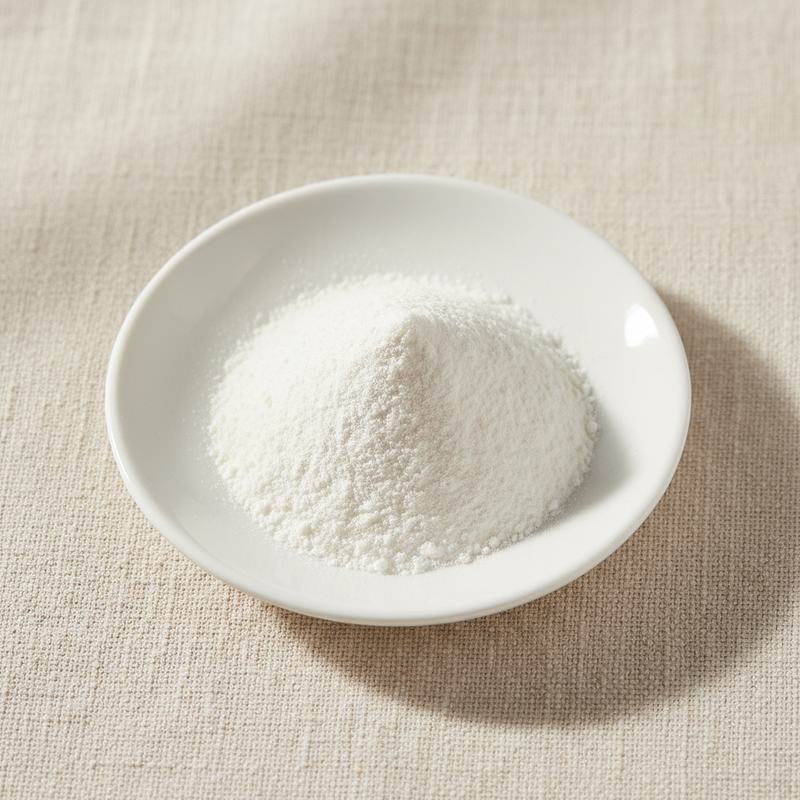
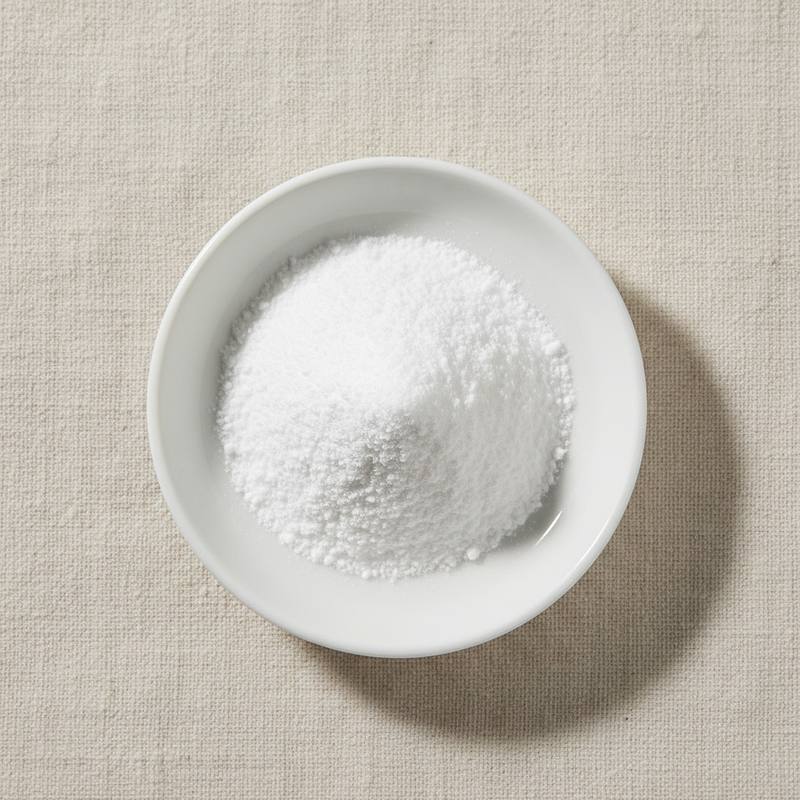
White to pale yellow crystalline powder with a characteristic mild sulfurous odor. Light-sensitive; requires sealed packaging. Typical supplement doses are 50 to 300 milligrams.
We supply supplement-grade Allithiamine from manufacturers in China holding ISO, Halal, Kosher and other certifications relevant to the product and production.
Common market grades include Supplement Grade (≥ 98 percent purity, FCC compliant) and Pharmaceutical-Reference Grade for specialty applications.
Bulk and reduced-MOQ shipments. Batch-level COA covering assay, related substances, water content, heavy metals, and microbiology.
Introduction
Allithiamine (TTFD, thiamine tetrahydrofurfuryl disulfide) is a fat-soluble thiamine derivative originally identified in 1950s research on the heat-stable thiamine-like compounds in garlic, leeks, and other Allium species. Synthetic production began in Japan in the 1960s, and the compound has been used clinically in Japan since.
Industrial production proceeds by chemical synthesis from thiamine through reaction with tetrahydrofurfuryl mercaptan under oxidative coupling conditions, yielding the lipophilic disulfide form that is absorbed by passive diffusion rather than the saturable active-transport mechanism that limits water-soluble thiamine uptake.
Approved as a prescription pharmaceutical in Japan since the 1960s for high-dose thiamine therapy applications. Marketed as a dietary supplement in the United States and most other markets without prescription requirement.
Strategic positioning is the specialty and functional-medicine supplement segment. Allithiamine has developed a dedicated following in the Chronic Fatigue Syndrome and mitochondrial-disease communities, where its blood-brain-barrier penetration is positioned as superior to benfotiamine and other thiamine derivatives.
The clinical literature on Allithiamine is limited compared with benfotiamine and is primarily Japanese; English-language clinical research consists mainly of case reports and small open-label studies. Anecdotal positioning is robust within the high-dose thiamine therapy community.
Where it is used
- Specialty dietary supplements: mitochondrial-support and high-dose thiamine therapy formulations
- Neurological-support supplement blends
- Detoxification-support formulations
- Functional medicine fatigue and chronic-illness protocols
- Premium multivitamin formulations targeting cellular energy
- Sports nutrition and recovery formulations
- Cognitive-support supplement applications
- Veterinary specialty applications
Technical data
| Item | Specification |
|---|---|
| Appearance | White to pale yellow crystalline powder |
| Assay (dry basis) | 98.0% to 102.0% |
| Loss on drying | ≤ 1.0% |
| Residue on ignition | ≤ 0.2% |
| Related substances | ≤ 2.0% |
| Heavy metals (as Pb) | ≤ 10 mg/kg |
| Arsenic | ≤ 3 mg/kg |
| Melting point | 165 °C to 170 °C |
| Particle size | Per customer specification |
Related ingredients
Ready to discuss business?
Send us your spec and requirement. We will respond with availability and pricing within 24 hours.