Description
A dicarboxylic acid with a smooth, slow-onset sourness profile and the lowest hygroscopicity of all common food acidulants. The defining acidulant for gelatin dessert mixes, powdered fruit-flavored beverages, and dry-blend leavening systems where moisture stability is essential.
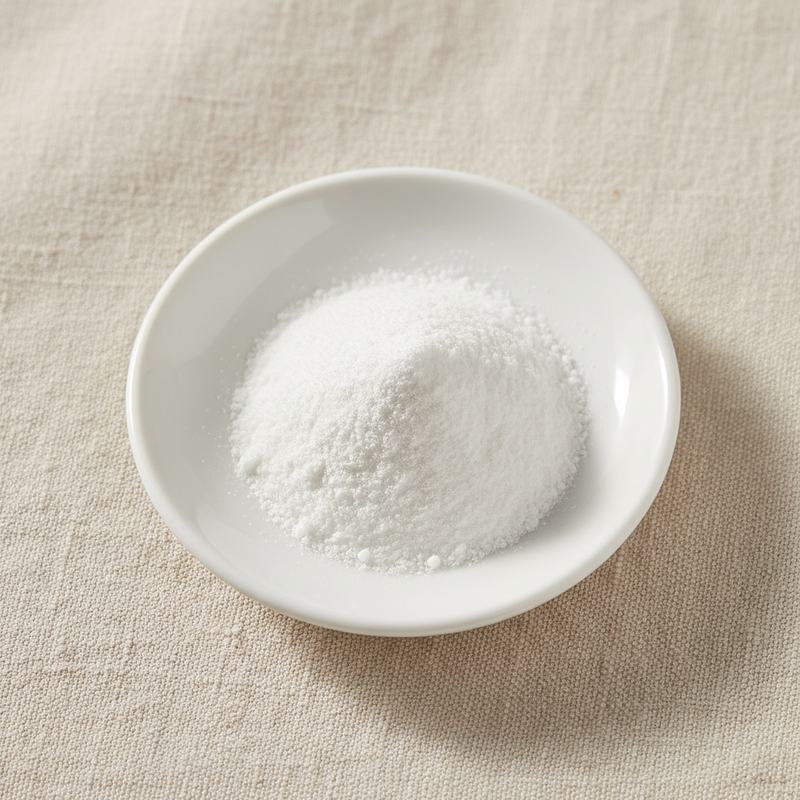
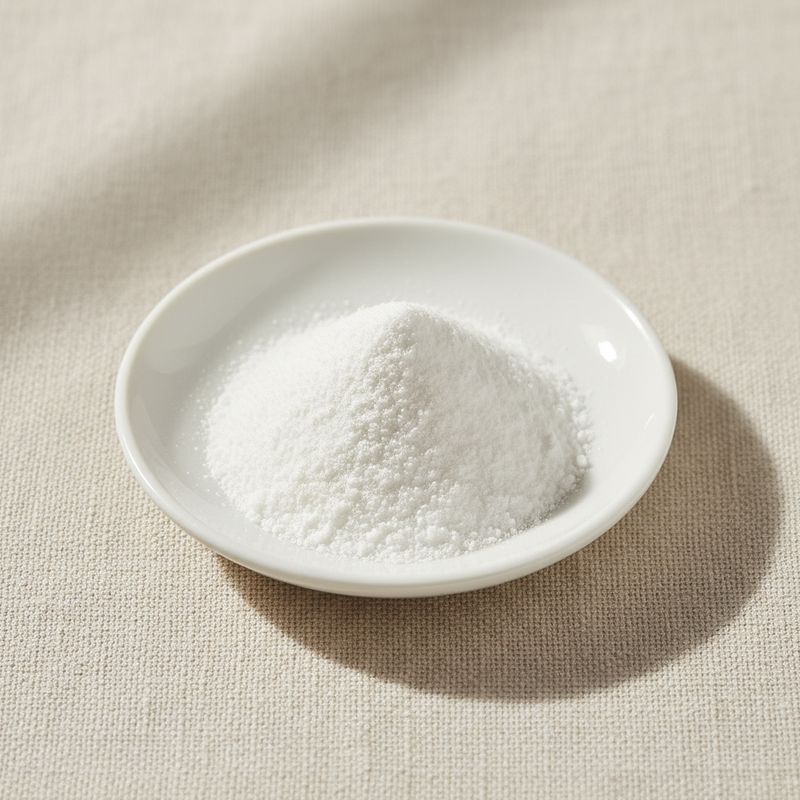
White crystalline powder or granules. Sparingly soluble in cold water (approximately 14 grams per liter at 15 °C), more soluble in hot water. Non-hygroscopic under normal storage conditions.
We supply food-grade Adipic Acid from manufacturers in China holding ISO, Halal, Kosher and other certifications relevant to the product and production. Industrial grade is also widely available for nylon manufacturing and chemical synthesis applications.
Common market grades include Standard Food Grade (FCC compliant), Pharmaceutical Grade meeting USP specifications for controlled-release tablet formulations, Nylon 66 Grade for fiber and polymer manufacturing, and Specialty Granular Grade for direct-compression effervescent and chewable manufacturing.
Bulk and reduced-MOQ shipments. Batch-level COA covering assay, melting point, heavy metals, iron, and microbiology.
Introduction
Adipic Acid is produced industrially by oxidation of cyclohexane to a mixture of cyclohexanone and cyclohexanol (KA oil), followed by nitric-acid oxidation to yield adipic acid. The compound is one of the largest-volume industrial chemicals globally, with most production going to Nylon 66 manufacturing.
The food-grade material is the same molecule produced to higher purity specifications, with additional purification steps removing trace metals and nitric-acid residues. Food-grade production volume is a small fraction of total adipic acid output but the food applications are dominant in their categories.
Regulated as E355 in the EU, classified as Generally Recognized as Safe by the U.S. FDA, listed in USP pharmacopoeia for pharmaceutical use, and approved by JECFA with an Acceptable Daily Intake of 0 to 5 mg per kg body weight.
The molecule's defining property in food applications is its very low hygroscopicity combined with low water solubility. This produces a slow-dissolving acidulant that is dimensionally stable in dry-blend formulations, the source of its dominant position in powdered gelatin desserts and powdered beverage mixes.
The flavor profile is mild and smooth compared to citric or malic acid, with sourness intensity meaningfully lower at equivalent doses. This is desirable in applications where moderate acidity is the goal and the sharp acid bite of citric acid would be excessive, particularly in gelatin desserts and powdered drink mixes consumed by children.
Where it is used
- Powdered gelatin dessert mixes; the dominant acidulant in this category for its non-hygroscopicity and clean flavor
- Powdered drink mixes and instant beverage powders
- Bakery powder leavening systems where slow acidulant release matches the leavening base reaction kinetics
- Effervescent tablets and powders as a controlled-release acidulant
- Confectionery: gelled candies and chewables
- Powdered dairy desserts and instant pudding mixes
- Pharmaceutical controlled-release tablet formulations
- Industrial applications: dominant feedstock for Nylon 66 manufacturing (the major non-food use globally)
- Polyurethane, plasticizer, and resin manufacturing
Technical data
| Item | Specification |
|---|---|
| Appearance | White crystalline powder or granules |
| Assay | 99.6% to 100.5% |
| Melting point | 151 °C to 154 °C |
| Loss on drying | ≤ 0.2% |
| Residue on ignition | ≤ 0.02% |
| Iron | ≤ 10 mg/kg |
| Heavy metals (as Pb) | ≤ 10 mg/kg |
| Arsenic | ≤ 3 mg/kg |
| Nitrate | ≤ 30 mg/kg |
Related ingredients
Ready to discuss business?
Send us your spec and requirement. We will respond with availability and pricing within 24 hours.