Description
The standardized extract of Wormwood, supplied as two distinct species: Artemisia absinthium (Common Wormwood, the absinthe-flavoring herb) and Artemisia annua (Sweet Wormwood, qing hao, the source of antimalarial artemisinin). The two species serve different commercial applications.
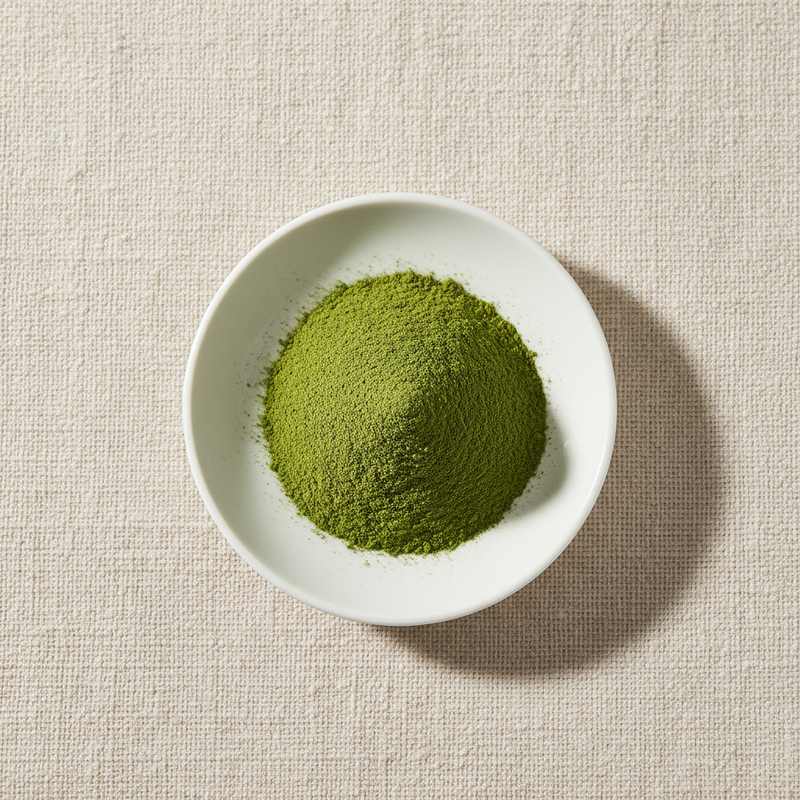
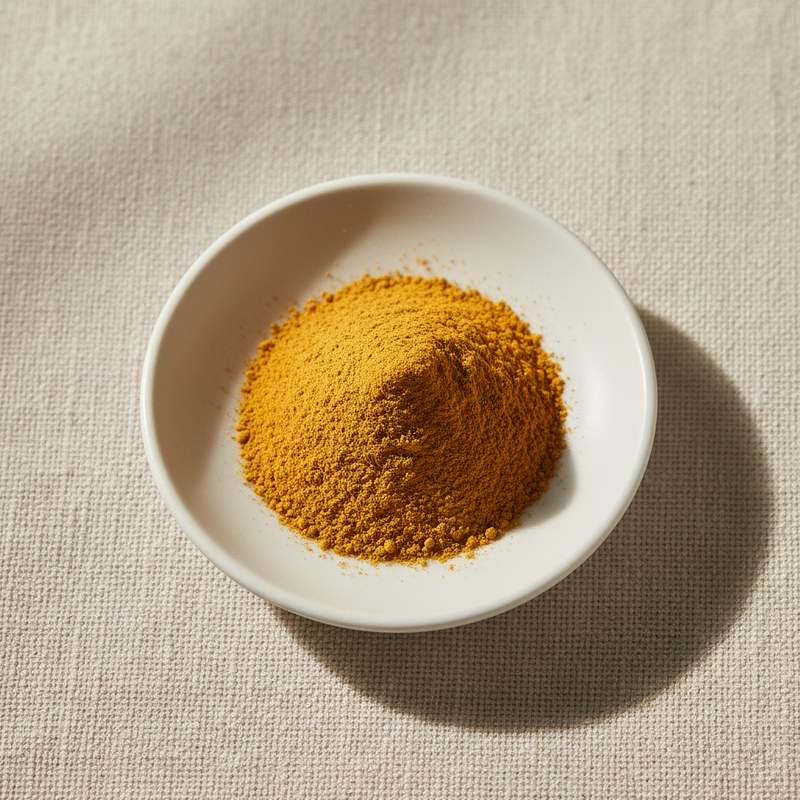
Yellow-green to brown free-flowing powder. Characteristic bitter aroma (more pronounced in A. absinthium grades).
We supply food-grade Wormwood Extract from manufacturers in China holding ISO, Halal, Kosher and other certifications relevant to the product and production.
Common market grades include A. absinthium 10:1 Extract (the digestive-bitter and beverage-flavoring grade), A. annua 10:1 Extract (the immune-support and traditional medicine grade), Artemisinin 98 percent (the pharmaceutical-grade isolated antimalarial), and Artesunate 98 percent (the semi-synthetic derivative used in WHO-recommended ACT antimalarial therapy).
Bulk and reduced-MOQ shipments. Batch-level COA covering thujone content (for A. absinthium, to confirm regulatory compliance), artemisinin content (for A. annua grades), residual solvents, heavy metals, pesticides, and microbiology.
Introduction
Wormwood has been used in traditional medicine across European, Asian, and Middle Eastern cultures for over 3,000 years. Artemisia absinthium provides the bitter principles that defined absinthe, vermouth, and traditional digestive bitters. Artemisia annua (Sweet Wormwood) contains artemisinin, the antimalarial compound discovered by Tu Youyou in 1972 (Nobel Prize in Physiology or Medicine 2015) which transformed global malaria treatment.
Industrial production differs by species and purpose. A. absinthium extracts proceed by ethanol extraction of dried aerial parts with care to manage thujone content (a neurotoxic monoterpene regulated in food applications at ≤ 35 mg/kg in alcoholic beverages over 25 percent alcohol). A. annua artemisinin production proceeds by solvent extraction followed by crystallization and chromatographic purification.
Regulatory status varies substantially by jurisdiction and grade. Thujone-controlled A. absinthium extracts are permitted in food and beverage applications worldwide. Artemisinin and artesunate are WHO Essential Medicines for malaria treatment with established pharmaceutical regulatory pathways.
Strategic positioning splits between traditional bitter and digestive applications (A. absinthium beverage market), traditional medicine supplements (A. annua immune-support segment), and the substantial pharmaceutical artemisinin market for antimalarial therapy.
Where it is used
- Digestive-bitter supplements and digestive-support formulations (A. absinthium application)
- Antiparasitic and gut-cleanse positioned supplements
- Absinthe and bitter liqueur flavoring (regulated for thujone content)
- Vermouth and bitter aperitif flavoring
- Pharmaceutical applications: artemisinin and artesunate as WHO-recommended antimalarial drugs
- Traditional Chinese Medicine: qing hao formulations for fever and parasitic conditions
- Immune-support and febrifuge positioned herbal supplements
- Veterinary applications: antiparasitic feed additives
Technical data
| Item | Specification |
|---|---|
| Appearance | Yellow-green to brown free-flowing powder |
| Thujone (A. absinthium grades, GC) | declared per batch, within applicable limits |
| Artemisinin (A. annua grades, HPLC) | 0.5% / 1% / 98% (grade dependent) |
| Herb-to-extract ratio | 10:1 (standard grades) |
| Loss on drying | ≤ 5.0% |
| Residue on ignition | ≤ 8.0% |
| Heavy metals (as Pb) | ≤ 2 mg/kg |
| Source | Artemisia absinthium or Artemisia annua aerial parts |
Related ingredients
Ready to discuss business?
Send us your spec and requirement. We will respond with availability and pricing within 24 hours.