Description
The theobromine fraction isolated from tea leaves (Camellia sinensis), as an alternative botanical source to cocoa-derived theobromine. Tea theobromine grades typically accompany a higher caffeine content and a meaningful theophylline content reflecting the natural methylxanthine profile of tea. Used as a tea-positioned methylxanthine alternative in energy supplements and functional beverages.
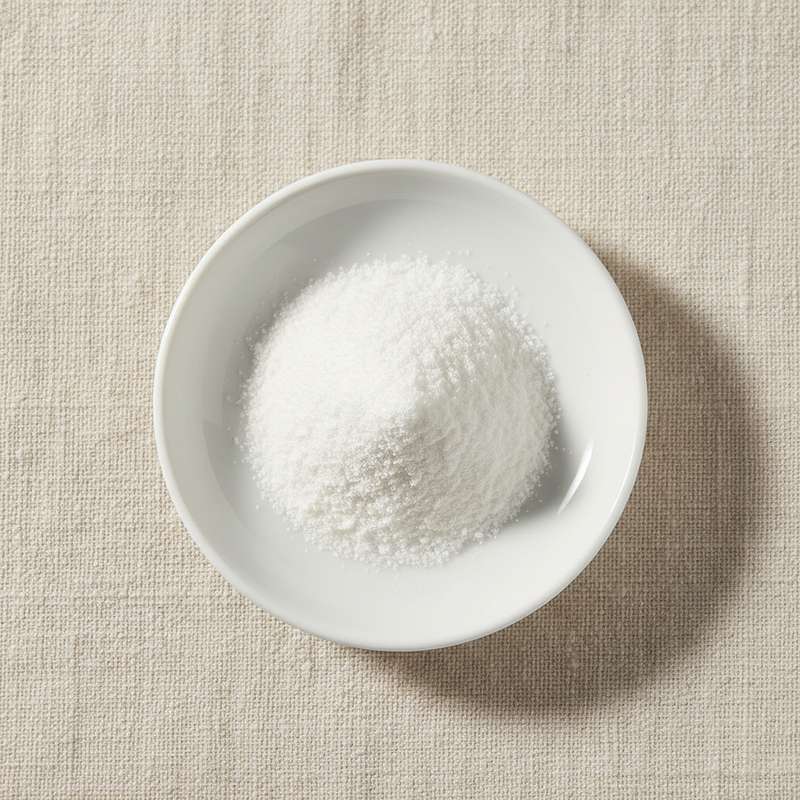
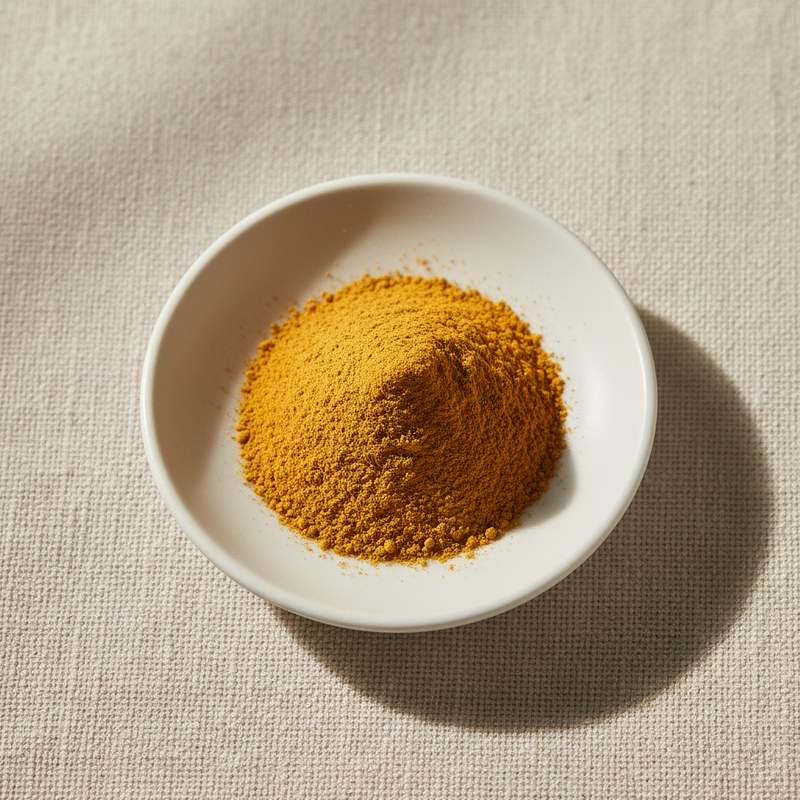
Off-white to pale yellow free-flowing powder. Limited water solubility.
We supply food-grade Tea Theobromine from manufacturers in China holding ISO, Halal, Kosher and other certifications relevant to the product and production. Tea-source positioning supports premium and clean-label applications.
Common market grades include Tea Theobromine 10 percent (cost-effective baseline), Tea Theobromine 20 to 40 percent (standard supplement grade), Tea Methylxanthine Complex (a mixed-alkaloid grade with declared theobromine, caffeine, and theophylline content), and Pure Tea Theobromine 98 percent (the high-purity ingredient).
Bulk and reduced-MOQ shipments. Batch-level COA covering theobromine content (HPLC), caffeine content, theophylline content, residual solvents, heavy metals, pesticides, and microbiology.
Introduction
Tea is the principal commercial source of methylxanthine alkaloids alongside cocoa and coffee, with the three plants contributing the majority of global methylxanthine consumption. Tea leaves contain caffeine as the dominant methylxanthine (1 to 5 percent of dry leaf weight) accompanied by minor theobromine (0.1 to 0.4 percent) and theophylline (0.05 to 0.1 percent). The relative concentrations differ from cocoa (theobromine-dominant) and coffee (essentially pure caffeine).
Industrial production of tea theobromine proceeds by hot-water extraction of tea leaves or tea-processing byproducts, followed by chromatographic separation of methylxanthine alkaloids. The process can be optimized for theobromine isolation specifically or to produce mixed methylxanthine concentrates. Decaffeination byproducts from premium tea processing provide an attractive feedstock source.
Recognized as a permitted food ingredient by the U.S. FDA (GRAS), the European Food Safety Authority, and equivalent regulators worldwide.
Theobromine clinical effects are well characterized (mild stimulation, vasodilation, mild diuresis) and largely independent of botanical source. The tea-source positioning supports premium and clean-label applications where consumer perception of tea as a natural, healthful source provides marketing differentiation versus generic methylxanthines.
Strategic positioning targets the tea-positioned natural energy and cognitive-support supplement segment, often formulated alongside L-Theanine and EGCG for the classic tea-component combination.
Where it is used
- Tea-positioned energy supplements and functional beverages
- Premium clean-label energy formulations where tea-source positioning supports the natural narrative
- Cognitive-support and mood-support supplements (often combined with L-Theanine for the classic tea-derived calm-alertness positioning)
- Pharmaceutical applications: methylxanthine drug formulations
- Functional teas and ready-to-drink beverage applications
- Cocoa-free chocolate-flavor and energy applications
- Sports nutrition and pre-workout formulations
Technical data
| Item | Specification |
|---|---|
| Appearance | Off-white to pale yellow free-flowing powder |
| Theobromine content (HPLC) | 10% / 20% / 40% / 98% (grade dependent) |
| Caffeine content | declared per batch |
| Theophylline content | declared per batch |
| Loss on drying | ≤ 5.0% |
| Heavy metals (as Pb) | ≤ 2 mg/kg |
| Total plate count | ≤ 1000 cfu/g |
| Source | Camellia sinensis leaves or processing byproducts |
Related ingredients
Ready to discuss business?
Send us your spec and requirement. We will respond with availability and pricing within 24 hours.