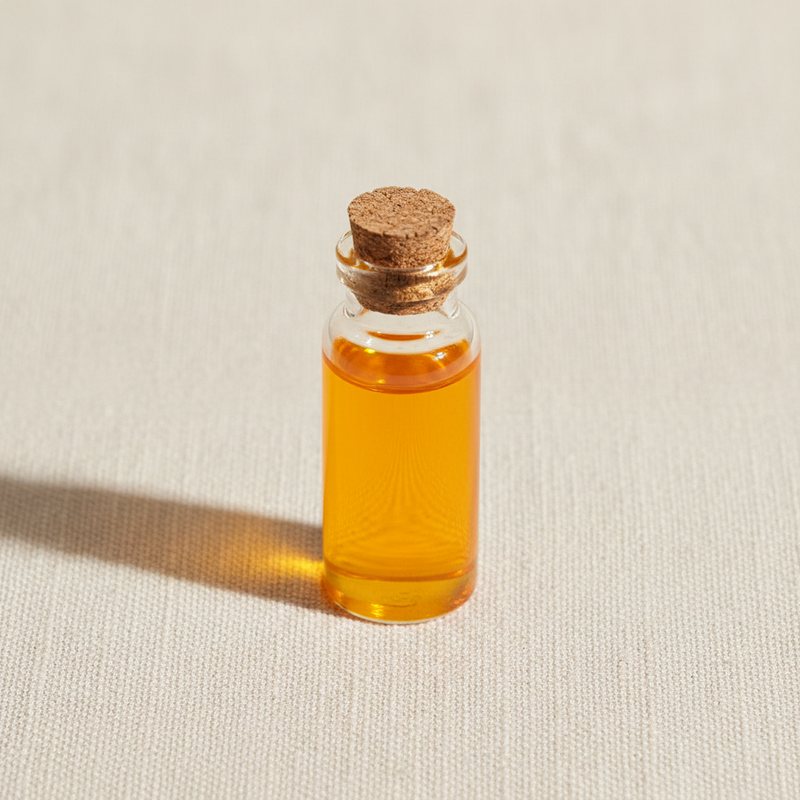
Description
Sweet Orange Oil is a food-grade citrus essential oil obtained by cold-pressing the peel of Citrus sinensis. The oil is the highest-volume citrus essential oil produced globally, supplied as a byproduct of the orange juice industry.
Yellow to orange mobile liquid with a characteristic sweet, fresh orange peel aroma. Miscible with ethanol and most fixed oils; insoluble in water. Limonene content typically reaches 90 to 97 percent, making sweet orange oil the largest single source of natural limonene in commerce.
We supply food-grade Sweet Orange Oil from manufacturers and traders holding ISO, Halal, Kosher and other certifications relevant to the product and production. Cold-pressed, folded (5x, 10x), and terpene-reduced grades are available, plus Brazilian, Florida, and Valencia origin specifications.
Common market grades include Cold-Pressed Brazilian Standard, Cold-Pressed Valencia, 5-fold and 10-fold Folded Sweet Orange Oil, Terpene-Reduced grade for beverage applications, and Orange Phase Oil from juice concentration.
Bulk and reduced-MOQ shipments. Batch-level COA covering specific gravity, refractive index, optical rotation, aldehyde content (as decanal), residual pesticides, heavy metals, and microbiology.
Introduction
Citrus sinensis is cultivated commercially in Brazil, the United States (Florida, California), Mexico, China, and the Mediterranean. Brazilian production dominates global trade, supplying both juice concentrate and the resulting peel-oil byproduct.
Production proceeds by cold-pressing the peel during juice extraction, followed by centrifugation to separate oil from aqueous emulsion and winterization to remove waxes. Annual global supply runs approximately 50,000 tonnes, making this the largest essential oil category by volume.
Regulated as Generally Recognized as Safe by the U.S. FDA (21 CFR 182.20), assigned FEMA GRAS number 2825, and approved by JECFA as a flavoring agent.
Principal aroma compounds are limonene (90 to 97 percent) with the orange-character top notes contributed by aldehydes including decanal, octanal, and citral, plus minor sesquiterpenes. The aldehyde fraction sits below 2 percent of the oil but carries most of the characteristic orange aroma.
Strategic positioning combines flavor function with industrial limonene supply. Cold-pressed oil serves beverage and confectionery flavor; folded grades concentrate the aldehyde flavor fraction for cost-effective beverage dosing; the bulk terpene fraction supplies natural cleaning and chemical-feedstock markets.
Where it is used
- Orange-flavored carbonated beverages, juice drinks, and sports drinks
- Confectionery: orange hard candies, gummies, and chocolate orange creams
- Bakery: orange cakes, cookies, frostings, and pastries
- Frozen desserts: orange sherbet, sorbet, and creamsicle products
- Dairy: orange yogurt and flavored milk
- Cocktails, liqueurs, and bitters; the citrus base in many craft formulations
- Source of natural d-limonene for cleaning concentrates and degreasers
- Cosmetics, soaps, and aromatherapy blends
Technical data
| Item | Specification |
|---|---|
| Appearance | Yellow to orange mobile liquid |
| Specific gravity (20 °C) | 0.842 to 0.850 |
| Refractive index (20 °C) | 1.471 to 1.474 |
| Optical rotation (20 °C) | +94° to +99° |
| Limonene content (GC) | 90.0% to 97.0% |
| Aldehydes (as decanal) | 1.0% to 2.5% |
| Solubility in 90% ethanol | 1 vol in 7 vol clear solution |
| Heavy metals (as Pb) | ≤ 10 mg/kg |
| Arsenic | ≤ 3 mg/kg |
| Source | Cold-pressing of Citrus sinensis peel |
Related ingredients

Ready to discuss business?
Send us your spec and requirement. We will respond with availability and pricing within 24 hours.