Description
The extract of Chinese Star Anise (Illicium verum), supplied as flavor-grade essential oil and oleoresin, supplement-grade powder extract, and as the principal industrial source of shikimic acid. Shikimic acid is the historical starting material for the synthesis of Tamiflu (oseltamivir), the pharmaceutical antiviral used in influenza treatment.
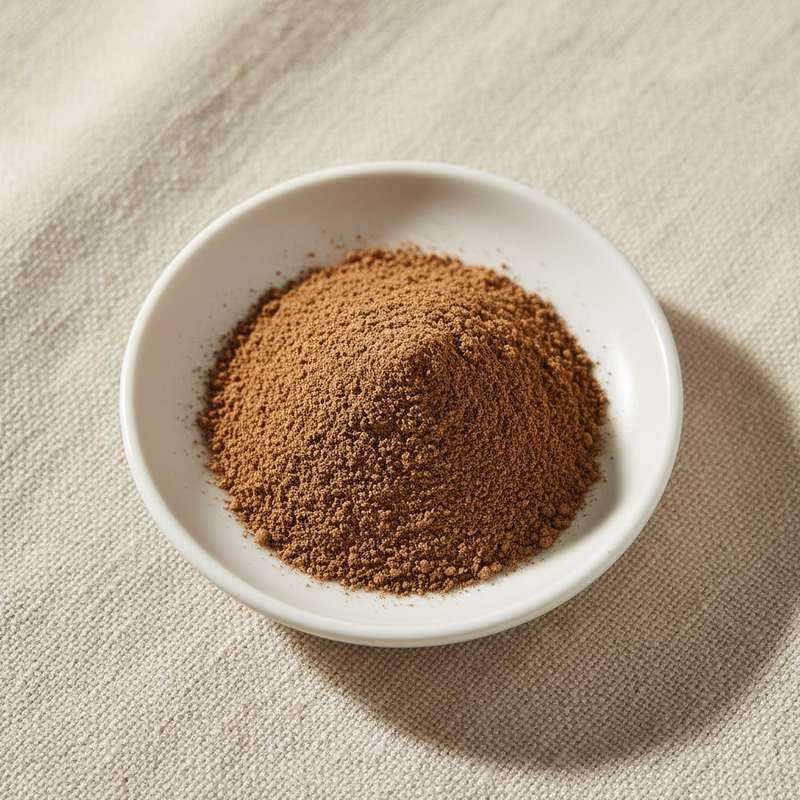
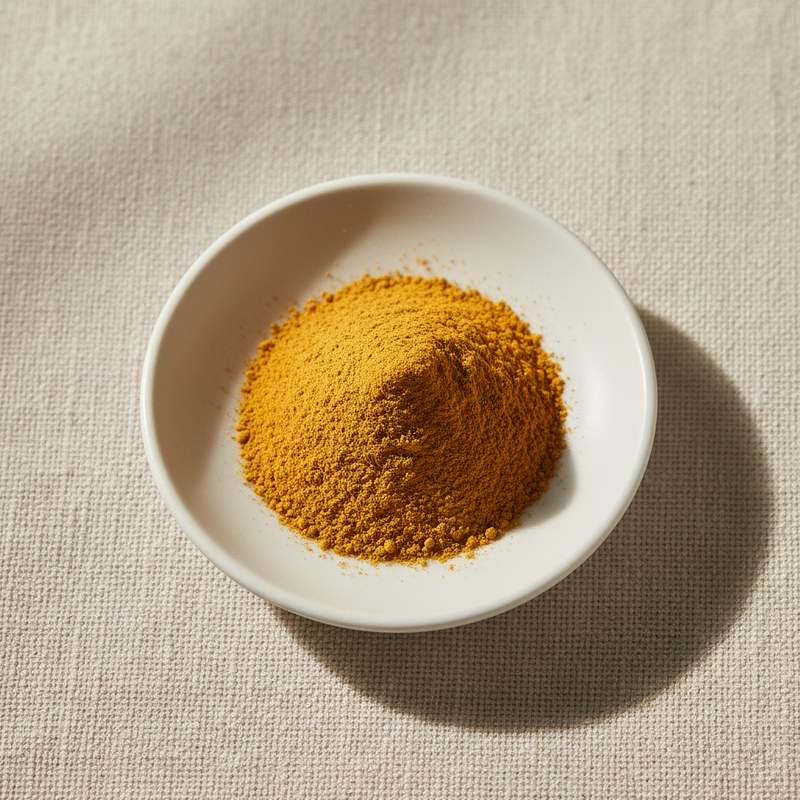
Light yellow to brown free-flowing powder, or pale yellow essential oil. Characteristic anise-like aroma dominated by trans-anethole.
We supply food-grade Star Anise Extract from manufacturers in China holding ISO, Halal, Kosher and other certifications relevant to the product and production. Critical species verification protocols prevent contamination with toxic Japanese Star Anise (Illicium anisatum).
Common market grades include Star Anise Essential Oil 90 percent trans-anethole (steam-distilled, food and pharmaceutical grade), Star Anise Oleoresin (solvent-extracted concentrate), Star Anise 4:1 to 10:1 supplement-grade powder extract, and Shikimic Acid 98 percent (the pharmaceutical synthesis feedstock).
Bulk and reduced-MOQ shipments. Batch-level COA covering trans-anethole content (GC), shikimic acid content (when claimed), residual solvents, heavy metals, pesticides, species verification, and microbiology.
Introduction
Chinese Star Anise has been used in Chinese cuisine and Traditional Chinese Medicine for over 1,000 years. The spice is a key component of Chinese five-spice powder and a foundational flavoring of multiple Mediterranean and Middle Eastern anise-flavored liqueurs. The plant gained substantial international pharmaceutical attention in 2005 when shikimic acid extraction from Star Anise became the principal industrial route to oseltamivir for the H5N1 avian influenza pandemic preparedness.
Industrial production splits by application. Essential oil and flavor-grade extracts proceed by steam distillation or solvent extraction. Shikimic acid for pharmaceutical synthesis proceeds by aqueous extraction followed by crystallization and chromatographic purification to high purity. Modern alternatives including fermentation-based shikimic acid production have reduced dependence on Star Anise as the pharmaceutical feedstock, but the spice remains a major commercial source.
Critical species verification distinguishes Chinese Star Anise (safe, Illicium verum) from Japanese Star Anise (toxic, Illicium anisatum, contains the neurotoxic anisatin). Pharmacopoeial methods (GC fingerprinting, anisatin detection) are mandatory for quality grades.
Recognized as a permitted food ingredient by the U.S. FDA (GRAS), the European Food Safety Authority, and equivalent regulators worldwide.
Strategic positioning combines high-volume flavor applications, pharmaceutical industrial chemistry, traditional medicine supplements, and premium liqueur and beverage flavoring.
Where it is used
- Spice and seasoning flavor applications: liqueurs, confectionery, baked goods (the dominant volume application)
- Pharmaceutical applications: shikimic acid as starting material for oseltamivir synthesis
- Traditional Chinese Medicine: ba jiao hui xiang formulations for digestive and respiratory complaints
- Dietary supplements: digestive-support and respiratory-support formulations
- Beverage flavoring: pastis, ouzo, sambuca, raki, absinthe applications
- Aromatherapy and perfumery applications
- Toothpaste and mouthwash flavoring
- Pharmaceutical cough syrup flavoring
Technical data
| Item | Specification |
|---|---|
| Appearance | Light yellow to brown free-flowing powder or pale yellow oily liquid |
| trans-Anethole (GC) | ≥ 85% to 95% (essential oil grades) |
| Shikimic acid (HPLC) | ≥ 98% (pharmaceutical grade) |
| Anisatin (toxic marker, LC-MS) | not detected |
| Herb-to-extract ratio | 4:1 / 10:1 (supplement grades) |
| Loss on drying | ≤ 5.0% |
| Heavy metals (as Pb) | ≤ 2 mg/kg |
| Source | Illicium verum dried fruit (species-verified) |
Related ingredients
Ready to discuss business?
Send us your spec and requirement. We will respond with availability and pricing within 24 hours.