Description
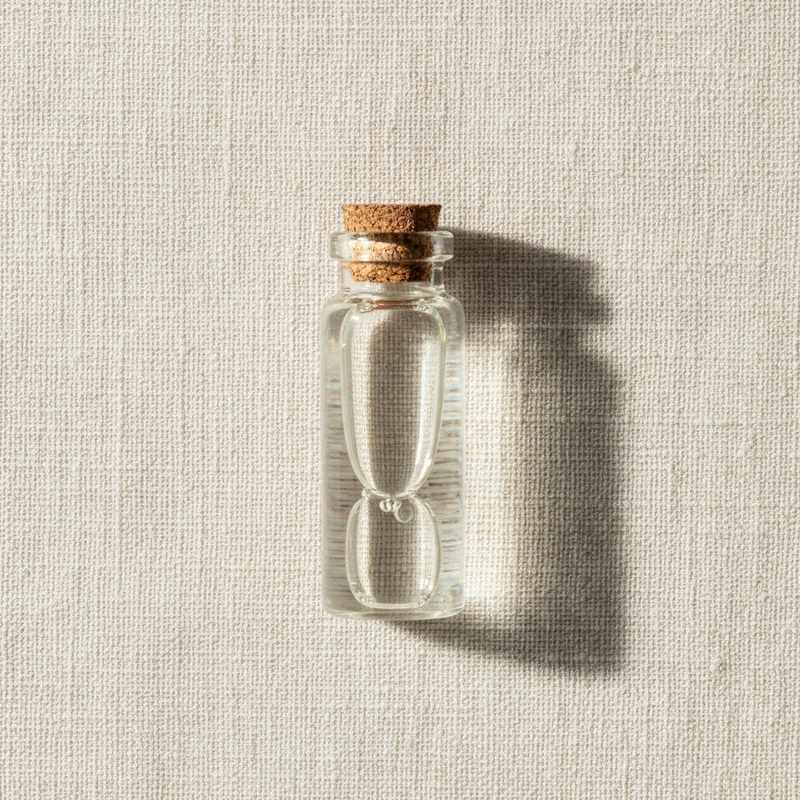
A fully saturated, oxidation-stable hydrocarbon emollient identical to a major component of human sebum. The fully hydrogenated form of squalene, supplied at 99 percent purity for cosmetic and pharmaceutical use, with excellent skin compatibility and elegant aesthetics.
Colorless, odorless, low-viscosity oil. Non-comedogenic, non-greasy after-feel, fast absorption, and indefinite shelf life thanks to the absence of double bonds. Compatible with virtually all oil-phase cosmetic ingredients.
We supply cosmetic-grade Phyto Squalane from manufacturers in China holding ISO 22716, ISO 9001, Halal, Kosher, ECOCERT and COSMOS certifications relevant to the product and production. Sugarcane fermentation, olive-derived, and rice-bran derived plant-origin grades are available.
Common market grades by source include Sugarcane Squalane (fermentation, the dominant new-generation grade with stable supply), Olive Squalane (extracted from olive oil deodorizer distillate, the historical phyto grade), and Rice Bran Squalane (a smaller-volume alternative). All are chemically identical at 98 to 99 percent purity. Shark-liver squalane is intentionally not in our portfolio.
Bulk and reduced-MOQ shipments. Batch-level COA covering GC purity, peroxide value, acid value, color, residual solvents, and microbiology.
Introduction
Squalane has been used in cosmetic and pharmaceutical formulations since the 1950s, originally sourced from shark liver oil. Environmental and ethical concerns over deep-sea shark populations drove a wholesale shift to plant-derived squalene starting in the 1990s, completed in most major brand portfolios by the 2010s.
The dominant modern production route is sugarcane fermentation: engineered yeasts (Amyris and related platforms) convert sugarcane-derived sugars to farnesene, which is dimerized to squalene and then hydrogenated to squalane. The olive route extracts squalene from olive oil deodorizer distillate followed by hydrogenation. Both deliver chemically identical product at 98 to 99 percent purity.
Regulatory status is that of a listed cosmetic ingredient in CosIng, the PCPC INCI dictionary, China IECIC, and Japan's voluntary cosmetic ingredient list. No concentration limit in any major jurisdiction. ECOCERT and COSMOS certify sugarcane and olive grades for natural and organic positioning.
Clinical evidence is consistent across decades: squalane reduces transepidermal water loss, improves stratum corneum hydration, and shows excellent tolerance even in compromised skin. Mechanistically, it integrates into the stratum corneum lipid matrix without disrupting natural barrier organization.
Strategically, squalane is the workhorse high-end emollient of the global cosmetic industry, with growing share displacing mineral oil and silicones in clean-beauty positioning. Sugarcane sourcing has overtaken olive in volume due to more stable supply.
Where it is used
- Facial oils and pre-essence oil treatments
- Anti-aging serums and night creams as a core emollient phase
- Sensitive-skin and barrier-repair products
- Baby oils and pediatric skincare
- Hair oils, scalp serums, and split-end treatments
- Makeup primers and tinted moisturizers
- Sun care formulations for elegant aesthetics
- Lip oils and lip treatment products
- Pre-cleansing and oil-cleansing formulations
Technical data
| Item | Specification |
|---|---|
| Appearance | Colorless, clear, low-viscosity oil |
| INCI Name | Squalane |
| Assay (GC) | ≥ 99.0% (sugarcane); ≥ 98.0% (olive, rice bran) |
| Squalene (unsaturated residual) | ≤ 0.5% |
| Color (Gardner) | ≤ 1 |
| Peroxide value | ≤ 1.0 meq/kg |
| Acid value | ≤ 0.2 mg KOH/g |
| Iodine value | ≤ 4 |
| Refractive index (20 °C) | 1.4510 to 1.4540 |
| Heavy metals (as Pb) | ≤ 10 mg/kg |
| Arsenic | ≤ 1 mg/kg |
| Total plate count | ≤ 100 CFU/g |
| E. coli, Salmonella, S. aureus, P. aeruginosa | Negative |
| Source | Sugarcane fermentation, olive oil distillate, or rice bran (plant origin) |
Related ingredients
Ready to discuss business?
Send us your spec and requirement. We will respond with availability and pricing within 24 hours.