Description
An extract from the inner bark of Slippery Elm (Ulmus rubra), standardized to mucilage content. Like Marshmallow root, the active fraction is polysaccharide mucilage that coats and soothes inflamed mucous membranes. Used in throat-soothing, digestive-support, and inflammatory bowel comfort formulations.
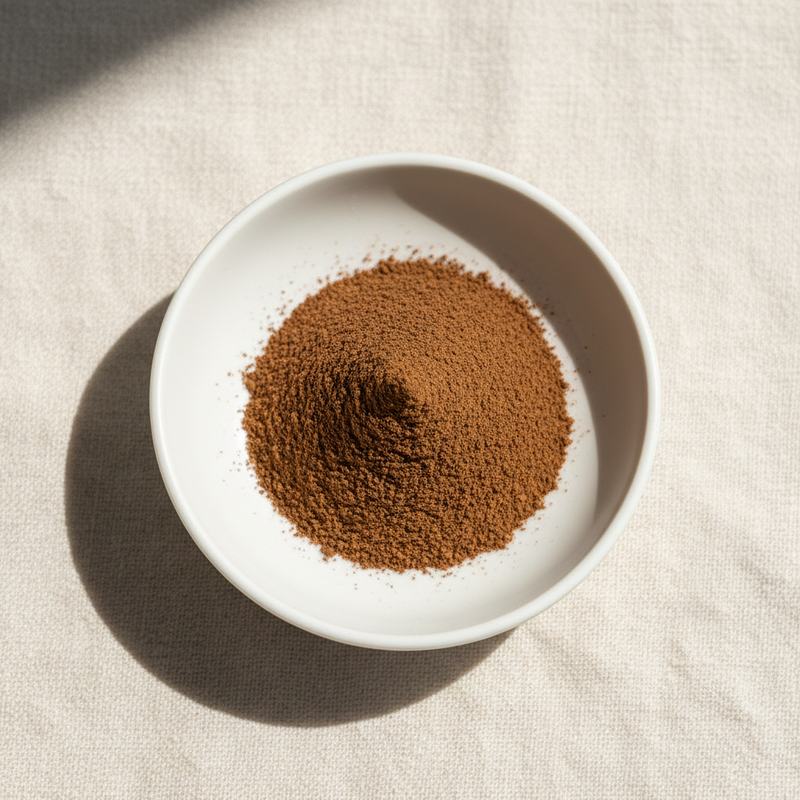
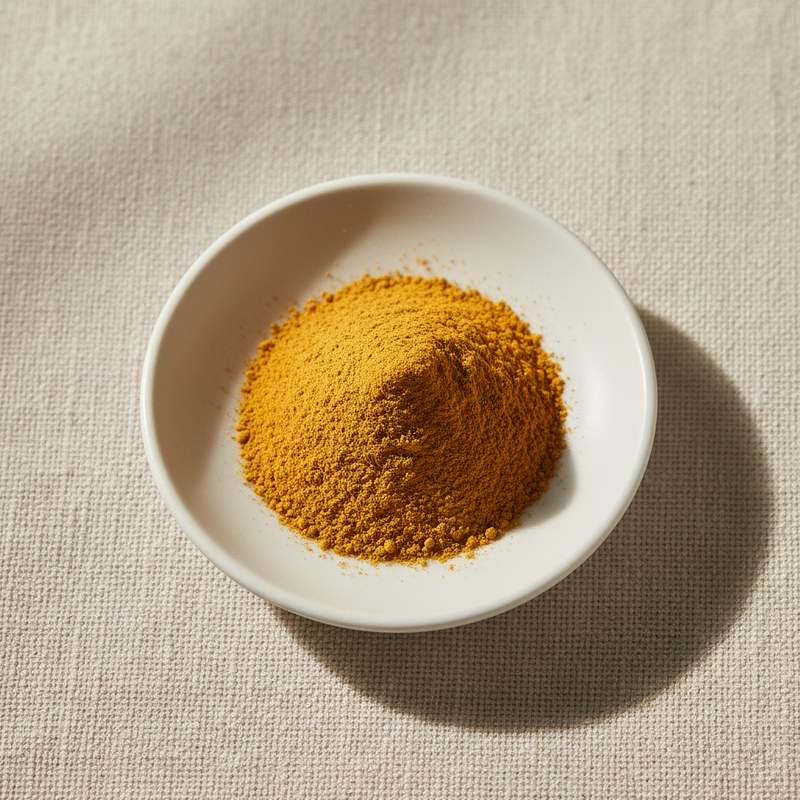
Light tan to pale brown free-flowing powder. Highly water-soluble; forms viscous mucilaginous solution on hydration.
We supply food-grade Slippery Elm Bark Extract from manufacturers in China holding ISO, Halal, Kosher and other certifications relevant to the product and production.
Common market grades include 4:1 and 10:1 herb-to-extract ratios, Powdered Inner Bark (the traditional minimally-processed grade), and 10 percent Polysaccharides standardized extract.
Bulk and reduced-MOQ shipments. Batch-level COA covering polysaccharide content, herb-to-extract ratio, residual solvents, heavy metals, pesticides, and microbiology.
Introduction
Slippery Elm has been a staple of Native American herbal medicine for centuries, used as a soothing demulcent for sore throats, digestive complaints, and topical wound care. The inner bark of the tree contains the highest concentration of the polysaccharide mucilage that defines the herb's medicinal positioning.
Industrial production proceeds by cold-water extraction of dried inner bark, which preserves the heat-labile mucilage. The extract is then spray-dried to defined polysaccharide content. Sustainable sourcing is increasingly important as wild Slippery Elm populations face pressure from Dutch elm disease and overharvesting; cultivated and sustainably-harvested grades command price premiums.
Recognized as a permitted food ingredient by the U.S. FDA (GRAS) and equivalent regulators worldwide. Listed as a traditional herbal medicine in multiple regulatory frameworks.
The mechanism is identical to Marshmallow root (direct physical coating of mucous membranes via polysaccharide mucilage), making Slippery Elm well-tolerated with minimal interaction risk. Clinical evidence is largely observational but supports traditional use in throat-soothing and digestive-comfort applications.
Strategic positioning serves the throat-soothing and digestive-comfort segments specifically, frequently formulated alongside Marshmallow root, licorice, and honey in throat lozenges and IBS-support products.
Where it is used
- Throat-soothing lozenges, sprays, and traditional throat-coat formulations (the dominant commercial application)
- Digestive-support supplements: gut-soothing, IBS-comfort, and ulcer-support formulations
- Inflammatory bowel comfort positioning supplements
- Traditional Native American herbal medicine product formulations
- Functional beverages: herbal teas and wellness shots
- Veterinary applications for digestive comfort in companion animals
- Wound-care and topical herbal product formulations
Technical data
| Item | Specification |
|---|---|
| Appearance | Light tan to pale brown free-flowing powder |
| Polysaccharide content (UV) | ≥ 10% (standardized grade) |
| Herb-to-extract ratio | 4:1 / 10:1 (standard grades) |
| Loss on drying | ≤ 6.0% |
| Residue on ignition | ≤ 8.0% |
| Heavy metals (as Pb) | ≤ 2 mg/kg |
| Total plate count | ≤ 10000 cfu/g |
| Source | Ulmus rubra inner bark |
Related ingredients
Ready to discuss business?
Send us your spec and requirement. We will respond with availability and pricing within 24 hours.