Description
The standardized extract of Milk Thistle (Silybum marianum) seeds, containing a complex of flavonolignans collectively called silymarin (silybin, silydianin, silychristin) at 80 percent or higher concentration. The dominant liver-support botanical supplement ingredient globally.
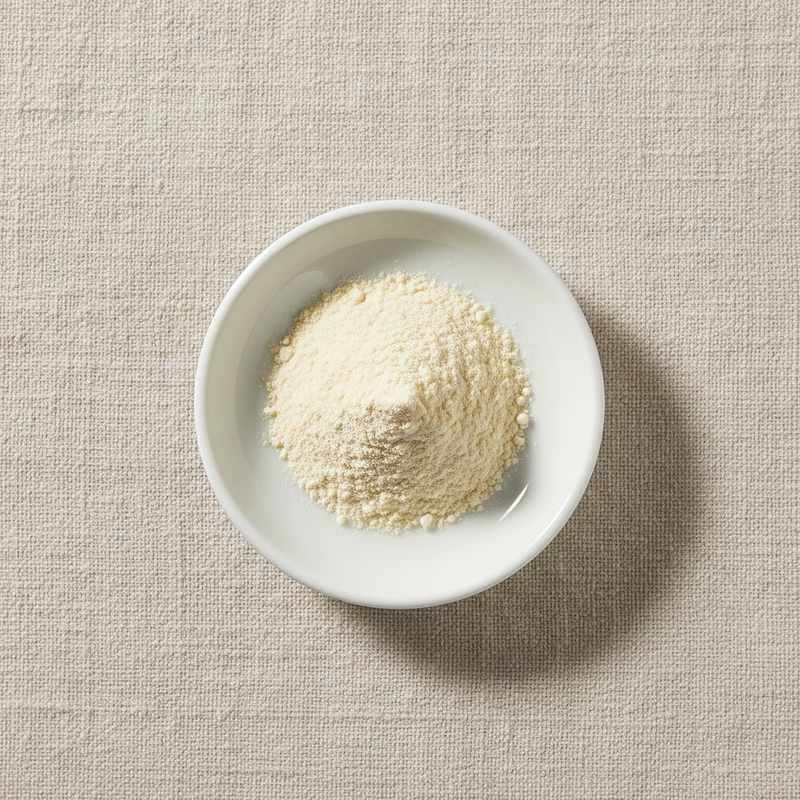
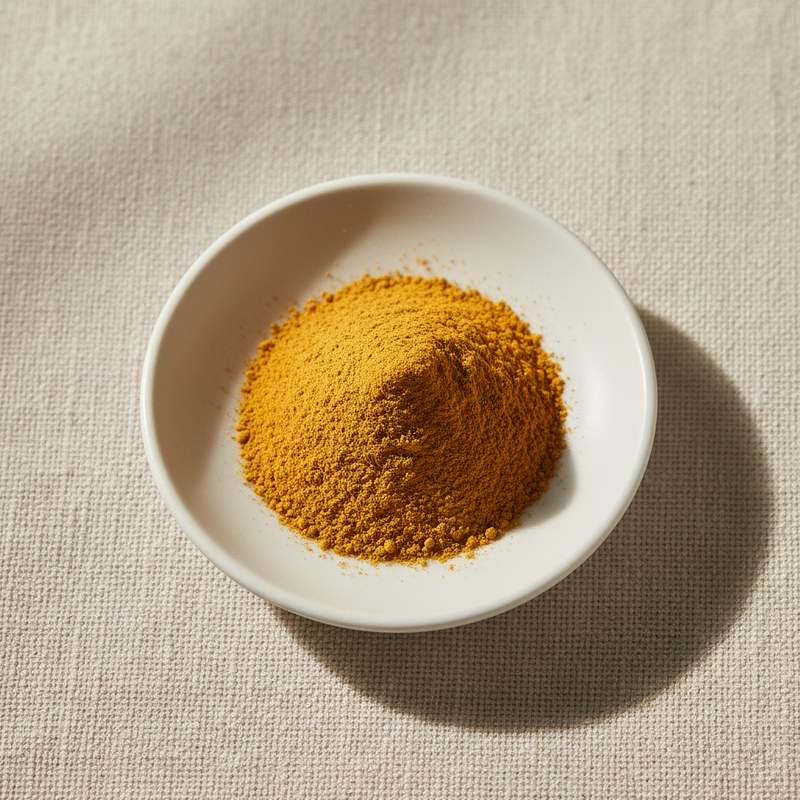
Light yellow to light brown free-flowing powder. Limited water solubility; modified forms (silymarin phosphatidylcholine complex) have substantially improved bioavailability.
We supply food-grade Silymarin from manufacturers in China holding ISO, Halal, Kosher and other certifications relevant to the product and production.
Common market grades include 30 percent Silymarin (cost-effective baseline), 60 percent Silymarin (standard supplement grade), 80 percent Silymarin (premium grade meeting USP/EP specifications), and Silymarin Phosphatidylcholine Complex (premium bioavailability-enhanced format).
Bulk and reduced-MOQ shipments. Batch-level COA covering silymarin content (HPLC), silybin A+B content, residual solvents, heavy metals, pesticides, and microbiology.
Introduction
Milk Thistle has been used as a liver-protective herb since ancient Greek and Roman times. Modern pharmacological characterization of silymarin began in the 1960s, and the compound is now the most-prescribed natural liver-support product globally.
Industrial production proceeds by ethanol or hydroalcoholic extraction of Milk Thistle seeds, followed by purification and concentration. The silymarin complex consists of approximately 60 percent silybin (the most active flavonolignan), 20 percent silychristin, 10 percent silydianin, and 10 percent other minor compounds.
Listed in USP, BP, and EP pharmacopoeias as a pharmaceutical product. WHO classifies milk thistle preparations as monographed traditional medicines. Recognized as a permitted food ingredient by the U.S. FDA (GRAS) and the European Food Safety Authority.
Clinical evidence supports use in alcoholic liver disease, hepatitis C support, and as the gold-standard antidote for Amanita phalloides mushroom poisoning (where intravenous silybin is the established treatment).
Strategic positioning is dominated by liver-support dietary supplements globally, with established pharmaceutical clinical applications and growing cosmetic skincare uses.
Where it is used
- Liver-support dietary supplements: the dominant commercial application globally
- Detoxification and cleanse-positioned supplement formulations
- Pharmaceutical applications: amanita mushroom poisoning antidote (clinical use), hepatitis adjuvant therapy
- Cosmetic skincare: antioxidant and anti-aging formulations
- Veterinary applications for liver-support in companion animals
- Traditional medicine product formulations
- Premium functional beverages and wellness shots
Technical data
| Item | Specification |
|---|---|
| Appearance | Light yellow to light brown free-flowing powder |
| Silymarin content (UV) | ≥ 30% / 60% / 80% (grade dependent) |
| Silybin A+B (HPLC) | ≥ 30% of silymarin |
| Loss on drying | ≤ 5.0% |
| Residue on ignition | ≤ 5.0% |
| Heavy metals (as Pb) | ≤ 2 mg/kg |
| Total plate count | ≤ 1000 cfu/g |
| Source | Silybum marianum seeds |
Related ingredients
Ready to discuss business?
Send us your spec and requirement. We will respond with availability and pricing within 24 hours.