Description
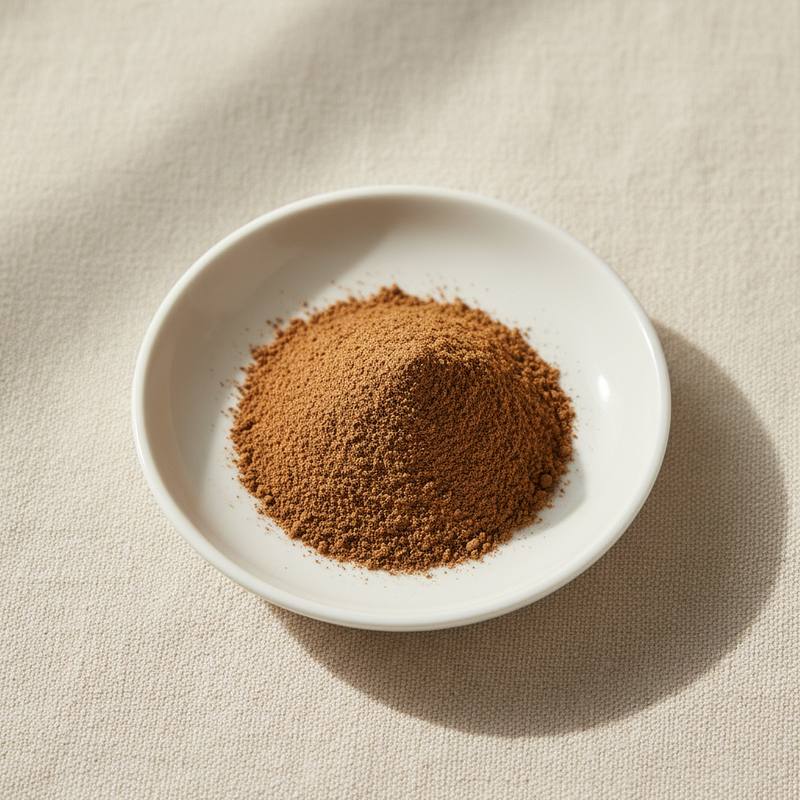
A standardized extract from steamed and dried Asian Ginseng root (Panax ginseng), the traditional Korean and Chinese Red Ginseng preparation. The steaming process converts native ginsenosides into the distinctive Rg3, Rg5, Rh1, and Rh2 ginsenoside profile that defines Red Ginseng versus White Ginseng. Used in premium energy, cognitive-support, and immune-support dietary supplements.
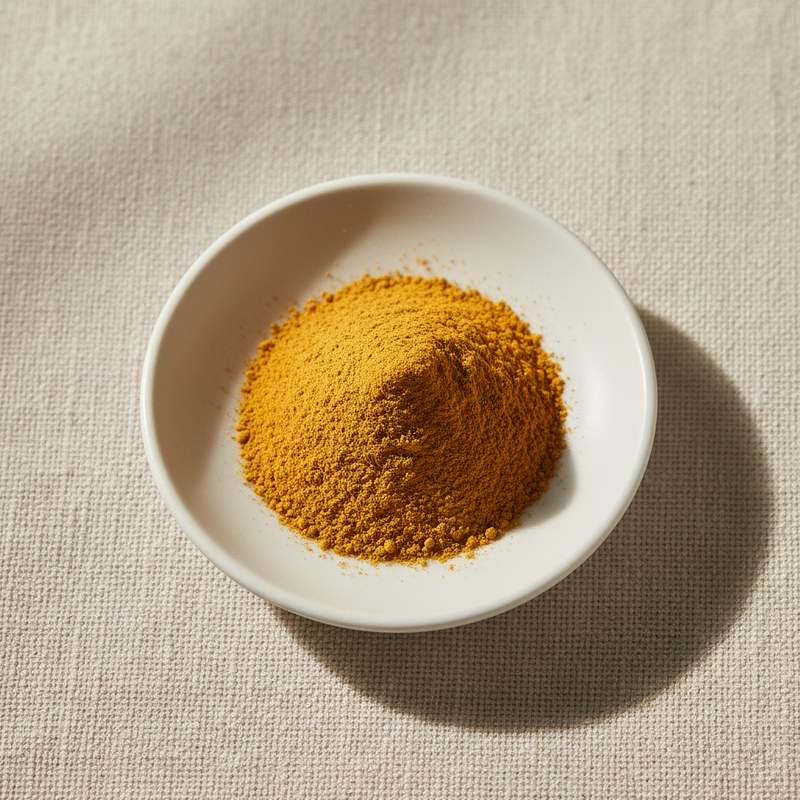
Yellow-brown to dark brown free-flowing powder. Highly water-soluble.
We supply food-grade Red Ginseng Extract from manufacturers in China holding ISO, Halal, Kosher and other certifications relevant to the product and production. Korean-source Red Ginseng commands a premium over Chinese-source Red Ginseng in many export markets.
Common market grades include 4 percent Ginsenosides (USP-style baseline), 10 percent Ginsenosides (standard premium grade), 20 percent Ginsenosides (high-end concentrated grade), and 80 percent Ginsenosides Rg3-enriched grade (specialty grade for the rare ginsenoside positioning). Ratio extracts (10:1, 20:1) are also available.
Bulk and reduced-MOQ shipments. Batch-level COA covering total ginsenosides (UV), individual ginsenoside profile including Rg1, Rb1, Rg3, Rg5, and Rh1 (HPLC), residual solvents, heavy metals, pesticides, and microbiology.
Introduction
Asian Ginseng has been used in Traditional Chinese and Korean medicine for over 2,000 years as the principal yang-tonifying and qi-supplementing herb. The distinction between White Ginseng (sun-dried fresh root) and Red Ginseng (steamed then dried root) has been established for at least 1,000 years, with the steaming process producing both color change and the distinctive Rg3-family ginsenoside profile.
Industrial production proceeds by steaming whole 6-year-old Asian Ginseng roots at controlled temperature and time, sun-drying or hot-air-drying the steamed roots, then hot-water extraction, concentration, and spray-drying to defined ginsenoside content. The steaming step partially converts the more abundant Rb1 and Rg1 ginsenosides into the less abundant but pharmacologically distinct Rg3, Rg5, Rh1, and Rh2 family.
Recognized as a permitted food ingredient by the U.S. FDA, the European Food Safety Authority, and equivalent regulators. Ginseng holds extensive pharmacopoeial monograph status in USP, EP, WHO, and the Korean and Chinese pharmacopoeias.
Clinical evidence supports Red Ginseng for cognitive performance, fatigue and mental energy, and immune function in seasonal exposures, with the strongest evidence base from Korean clinical programs. The Rg3 ginsenoside family additionally underpins ongoing oncology adjuvant research.
Strategic positioning targets premium energy and cognitive-support dietary supplements globally, with established traditional medicine market in Asia and rapid growth in functional beverages and premium cosmetic skincare.
Where it is used
- Premium energy and adaptogenic dietary supplements (the dominant commercial application)
- Cognitive-support and memory supplement formulations
- Immune-support and stress-resilience supplements
- Male-enhancement and sexual-health formulations
- Traditional Korean and Chinese medicine product formulations
- Functional beverages: ginseng tonics, energy drinks, and wellness shots
- Premium cosmetic skincare: anti-aging and revitalizing formulations
- Sports nutrition: stamina and recovery-positioned products
Technical data
| Item | Specification |
|---|---|
| Appearance | Yellow-brown to dark brown free-flowing powder |
| Total ginsenosides (UV) | 4% / 10% / 20% / 80% (grade dependent) |
| Ginsenoside Rg1 + Rb1 (HPLC) | typically ≥ 30% of total ginsenosides |
| Rg3 (where standardized) | ≥ 1% (Rg3-enriched grade) |
| Particle size | 95% pass 80 mesh |
| Loss on drying | ≤ 5.0% |
| Heavy metals (as Pb) | ≤ 2 mg/kg |
| Total plate count | ≤ 1000 cfu/g |
| Source | Panax ginseng steamed and dried root (Korean or Chinese origin) |
Related ingredients
Ready to discuss business?
Send us your spec and requirement. We will respond with availability and pricing within 24 hours.