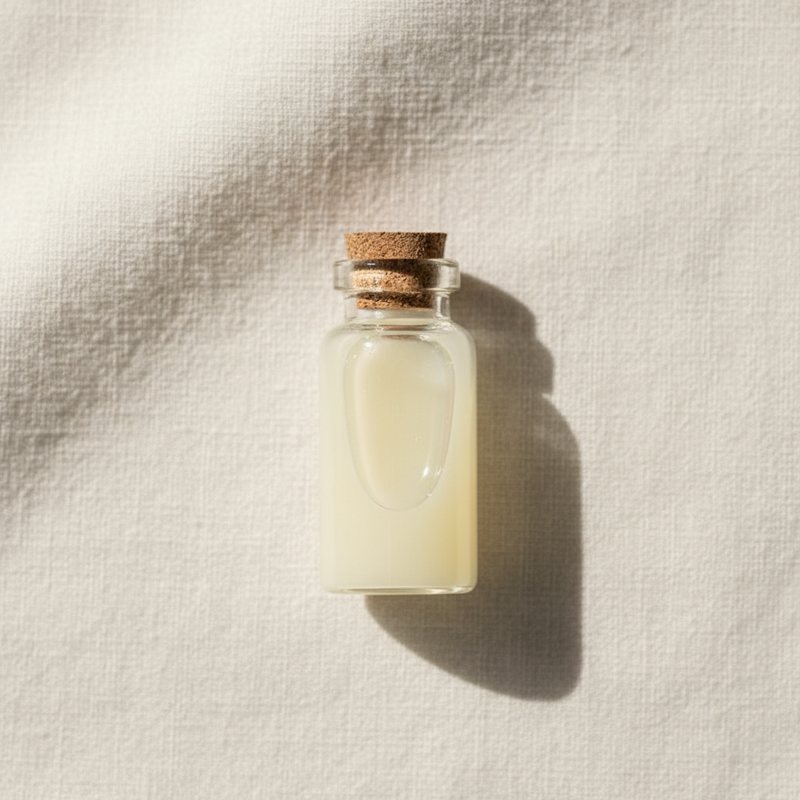
Description
A non-ionic surfactant and solubilizer used in pharmaceutical injectable, oral liquid, topical, and biologic formulations as a wetting agent, emulsifier, solubilizer for poorly water-soluble APIs, and protein stabilizer in monoclonal antibody and protein therapeutic formulations.
Yellow to amber viscous oily liquid with a faint characteristic odor. Soluble in water, ethanol, methanol, ethyl acetate, and many polar organic solvents. Insoluble in mineral oil. Critical micelle concentration approximately 14 mg/L in water at 25 degrees Celsius.
We supply pharmaceutical-grade Polysorbate 80 from manufacturers in China holding ISO, GMP, USP/EP/JP DMF, Halal, Kosher, and other certifications relevant to the product and production. Pharmaceutical grade is distinct from food-grade Polysorbate 80 in tighter peroxide, aldehyde, and oxidation impurity limits, full residual ethylene oxide and dioxane control, and segregated production lines.
Common market grades include standard pharmaceutical USP/EP/JP, low-peroxide grade for parenteral and biologic formulations (with tightened peroxide and aldehyde limits to protect oxidation-sensitive APIs and proteins), super-refined grade for monoclonal antibody and protein therapeutic formulations, and ophthalmic grade for sterile eye drop formulations.
Bulk and reduced-MOQ shipments. Batch-level COA covering identification, hydroxyl value, saponification value, peroxide value, acid value, water content, fatty acid composition (oleic acid predominant), ethylene oxide, 1,4-dioxane, heavy metals, and microbiology against USP, EP, JP, and BP monographs.
Introduction
Polysorbate 80 was developed by the Atlas Powder Company in the 1940s under the Tween trade name and has since become the dominant non-ionic surfactant in regulated pharmaceutical formulation, particularly in parenteral and biologic products.
Production proceeds by reaction of sorbitol with oleic acid to form sorbitan monooleate, followed by base-catalyzed ethoxylation with approximately 20 moles of ethylene oxide per mole of sorbitan to produce the final polyoxyethylene sorbitan monooleate. The pharmaceutical-grade product is purified to tight oxidation impurity, residual ethylene oxide, and 1,4-dioxane limits.
Listed in USP-NF, EP, JP, and BP monographs. Assigned E433 in food. FDA Inactive Ingredient Database listed for oral, topical, ophthalmic, otic, parenteral (including intravenous), and inhalation routes, with extensive precedent in marketed biologics.
The defining functional advantages are excellent solubilization of poorly water-soluble APIs, non-ionic compatibility with ionic APIs and proteins, broad regulatory acceptance, and the unique role of Polysorbate 80 as the standard surfactant for protein and monoclonal antibody parenteral formulations where it prevents protein adsorption to glass and silicone surfaces and suppresses agitation-induced aggregation.
Strategic position: peroxide content and oxidation impurity control define the principal quality gap between pharmaceutical and food grades. Low-peroxide and super-refined grades dominate biologic and protein parenteral formulations, where oxidation of the polysorbate itself and of the protein API is a major stability concern.
Where it is used
- Solubilizer for poorly water-soluble APIs in injectable formulations
- Surfactant and stabilizer in monoclonal antibody and protein formulations
- Emulsifier in pharmaceutical creams, lotions, and topical emulsions
- Wetting agent in oral liquid suspensions and oral solutions
- Solubilizer in oral soft-gel capsule fills
- Surfactant in pharmaceutical ophthalmic and otic preparations
- Wetting agent in poorly wettable API blends for solid dosage forms
- Co-surfactant in self-microemulsifying drug delivery systems (SMEDDS)
- Stabilizer in vaccine and biologic parenteral formulations
Technical data
| Item | Specification |
|---|---|
| Appearance | Yellow to amber viscous oily liquid |
| Compliance | USP/NF, EP, JP, BP current edition |
| Identification | Conforms to pharmacopoeial tests |
| Hydroxyl value | 65 to 80 mg KOH/g |
| Saponification value | 45 to 55 mg KOH/g |
| Acid value | ≤ 2.0 mg KOH/g |
| Peroxide value (pharmaceutical) | ≤ 10 mEq/kg |
| Peroxide value (low-peroxide grade) | ≤ 2 mEq/kg |
| Water content | ≤ 3.0% |
| Oleic acid in fatty acid fraction | ≥ 58.0% |
| Ethylene oxide | ≤ 1 mg/kg |
| 1,4-Dioxane | ≤ 10 mg/kg |
| Ethylene glycol and diethylene glycol | ≤ 0.25% (combined) |
| Heavy metals (as Pb) | ≤ 10 mg/kg |
| Residue on ignition | ≤ 0.25% |
| Refractive index (25 °C) | 1.468 to 1.473 |
| Total aerobic count | ≤ 100 CFU/g |
| E. coli, Salmonella | Absent |
| Source | Vegetable oleic acid (palm, soy, or olive) plus ethylene oxide; segregated pharmaceutical line |
Related ingredients
Ready to discuss business?
Send us your spec and requirement. We will respond with availability and pricing within 24 hours.