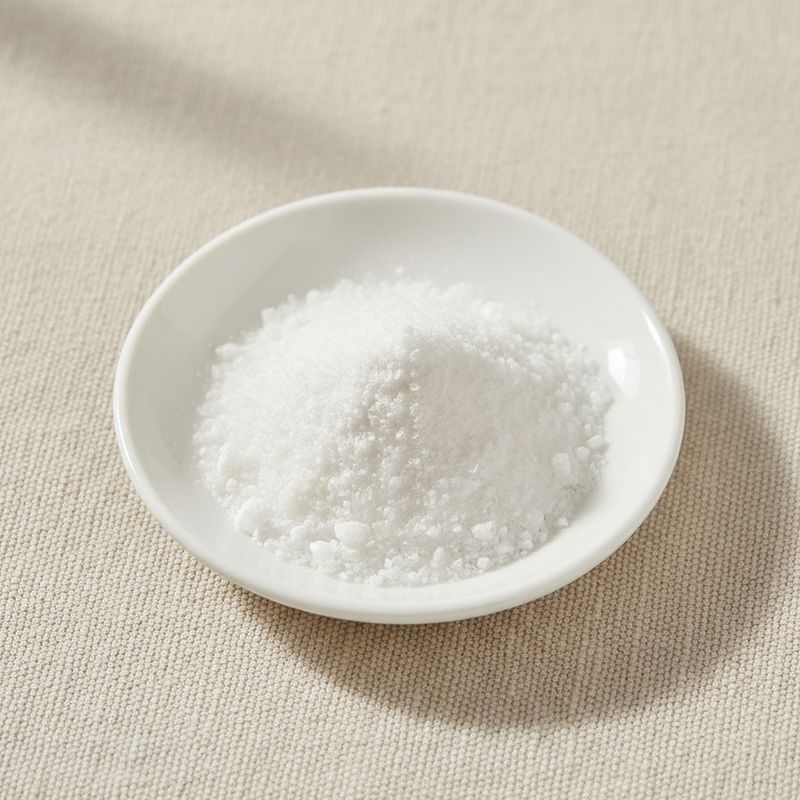
Description
A high-molecular-weight polyethylene glycol used in pharmaceutical solid-dose and semisolid formulations as a binder, plasticizer in film coatings, suppository base, hot-melt extrusion carrier, and solubility-enhancement matrix for amorphous solid dispersions. PEG 6000 is the most common solid-grade PEG in solid-dose tableting.
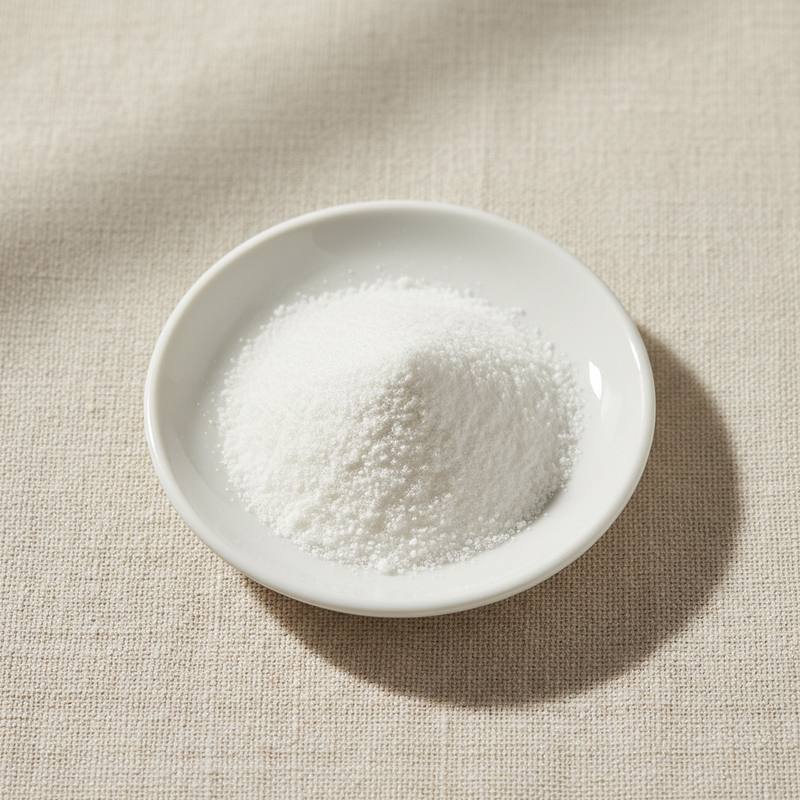
White to off-white waxy flakes, beads, or powder. Freely soluble in water and in many polar organic solvents, insoluble in aliphatic hydrocarbons. Melting range 55 to 63 degrees Celsius makes it well suited to hot-melt extrusion and suppository molding.
We supply pharmaceutical-grade PEG 6000 and adjacent PEG 1500, 3350, and 4000 grades from manufacturers in China holding ISO, GMP, USP/EP/JP DMF, Halal, Kosher, and other certifications relevant to the product and production.
Common market grades cover PEG 400 and 600 (liquid, used in solubilization and soft-gel fills), PEG 1500 (semisolid), PEG 3350, 4000, and 6000 (solid, used in tableting, coating, and suppository bases), and PEG 8000 and above for specialized applications. All pharmaceutical grades comply with USP, EP, JP, and BP monographs.
Bulk and reduced-MOQ shipments. Batch-level COA covering identification, average molecular weight, melting range, hydroxyl value, loss on drying, residue on ignition, ethylene oxide and dioxane residues, heavy metals, and microbiology against USP, EP, JP, and BP monographs.
Introduction
Polyethylene Glycol was developed industrially in the 1940s and entered the pharmacopoeial monographs shortly after under both the PEG and Macrogol designations. The family covers liquid (PEG 200 to 600), semisolid (PEG 1000 to 1500), and solid (PEG 3000 and above) grades, defined by average molecular weight and the corresponding physical state.
Production proceeds by base-catalyzed addition polymerization of ethylene oxide onto ethylene glycol or water under pressure. The reaction is controlled to a defined average degree of polymerization, with the average molecular weight giving the grade name (PEG 6000 has Mn approximately 5,400 to 6,600 in current monograph practice).
Listed in USP-NF, EP, JP, and BP monographs (as Macrogol in EP/JP). Assigned E1521 in food applications. FDA Inactive Ingredient Database listed for oral, topical, ophthalmic, parenteral, and rectal routes.
The defining functional advantages are broad water solubility across the full molecular weight range, low toxicity (the JECFA ADI for PEG is generous and PEG is widely used in injectable products), melting range tunable by grade, and chemical inertness toward most APIs. PEG 6000 specifically is the workhorse solid PEG for tablet coating plasticization, suppository bases, and hot-melt extrusion solid dispersions.
Strategic position: pharmaceutical PEG is one of the broadest excipient lines by application and the principal water-soluble polymer carrier in pharmaceutical solid dispersions. Residual ethylene oxide and 1,4-dioxane control are the principal quality-critical attributes.
Where it is used
- Plasticizer in aqueous and solvent-based tablet film coatings
- Binder in wet-granulation tablet manufacturing
- Suppository and pessary base material
- Hot-melt extrusion carrier for solid dispersions
- Solubility-enhancement matrix for poorly soluble APIs
- Lubricant alternative for water-sensitive APIs
- Carrier in semisolid and ointment pharmaceutical bases
- Solvent and humectant in oral liquid pharmaceutical formulations
- Wetting agent in poorly wettable API blends
Technical data
| Item | Specification |
|---|---|
| Appearance | White to off-white waxy flakes, beads, or powder |
| Compliance | USP/NF, EP (Macrogol), JP, BP current edition |
| Identification | Conforms to pharmacopoeial tests |
| Average molecular weight (PEG 6000) | 5,400 to 6,600 |
| Melting range | 55 °C to 63 °C |
| Hydroxyl value (PEG 6000) | 16.7 to 22.0 mg KOH/g |
| pH (5% solution) | 4.0 to 7.0 |
| Loss on drying | ≤ 1.0% |
| Residue on ignition | ≤ 0.1% |
| Ethylene oxide | ≤ 1 mg/kg |
| 1,4-Dioxane | ≤ 10 mg/kg |
| Ethylene glycol and diethylene glycol | ≤ 0.25% (combined) |
| Heavy metals (as Pb) | ≤ 5 mg/kg |
| Formaldehyde | ≤ 30 mg/kg |
| Total aerobic count | ≤ 1,000 CFU/g |
| Yeast and mould | ≤ 100 CFU/g |
| E. coli, Salmonella | Absent |
| Source | Synthetic, base-catalyzed ethylene oxide polymerization |
Related ingredients
Ready to discuss business?
Send us your spec and requirement. We will respond with availability and pricing within 24 hours.