Description
Pediococcus acidilactici is a homofermentative lactic acid bacterium native to fermented plant foods, meats, and the human gastrointestinal tract. The species is recognized for the production of pediocin, a class IIa bacteriocin active against Listeria monocytogenes and other gram-positive foodborne pathogens.
Supplied as a freeze-dried powder with viability between 100 and 500 billion CFU per gram at release. Exceptional tolerance to acid, bile, heat, and oxygen makes P. acidilactici a workhorse strain for shelf-stable functional foods and feed applications.
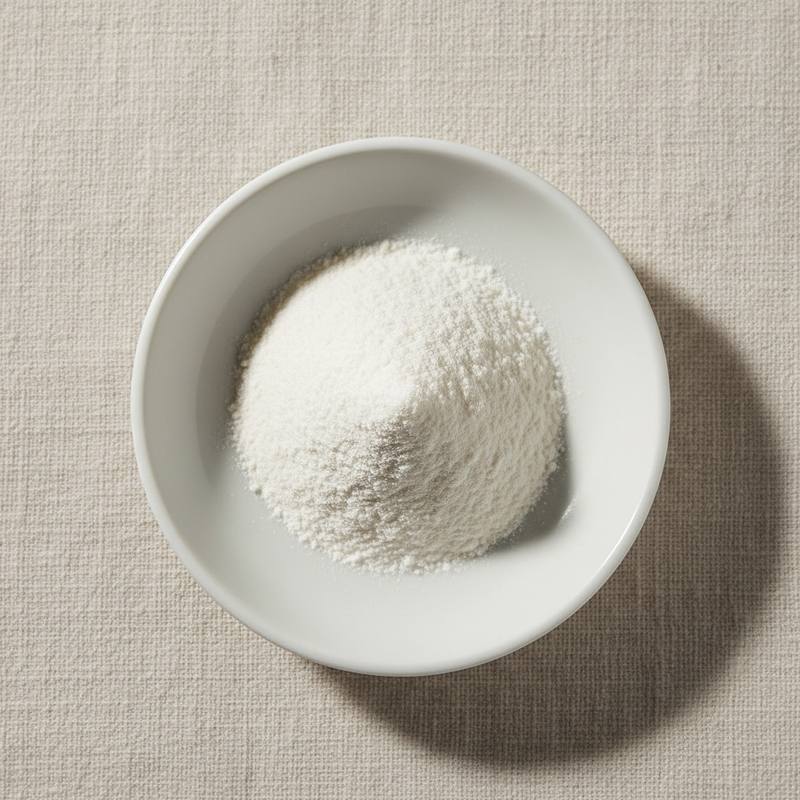
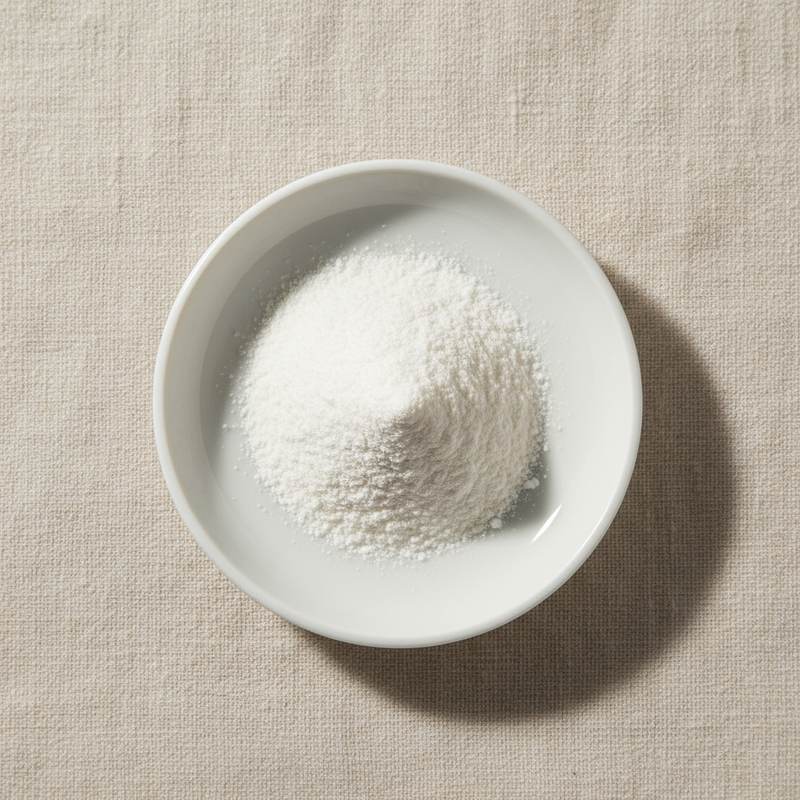
Off-white to pale beige free-flowing powder with a clean fermented note. Particle size suitable for capsule, sachet, premix, and feed pellet applications.
We supply food-grade and feed-grade Pediococcus acidilactici from manufacturers in China holding ISO 22000, FSSC 22000, FAMI-QS, Halal, Kosher, and other certifications relevant to probiotic strain production.
Common market grades include 100, 200, and 500 billion CFU per gram freeze-dried powders, spray-dried heat-tolerant variants for pelleting and baked applications, pediocin-standardized starter cultures for meat fermentation, and feed-grade premixes. Bulk and reduced-MOQ shipments with batch-level COA covering viable count, strain identity, moisture, heavy metals, and pathogen panel.
Introduction
Pediococcus acidilactici was first described in the early twentieth century and has been used commercially for fermented sausage starter culture for decades. The commercial strain CNCM I-4622 (and its derivatives) has received GRAS notification and EFSA QPS status for dietary supplement and feed use.
Industrial production uses MRS-based proprietary media under microaerophilic conditions, with biomass harvest, cryoprotectant blending, and lyophilization. Spray-dried heat-tolerant grades are produced by combining encapsulating carriers with controlled outlet temperature drying, supporting shelf life in premix and pellet applications where temperature exposure during processing is unavoidable.
Regulatory status includes GRAS notifications with FDA, Qualified Presumption of Safety listing in the European Union, authorization under EU Regulation 1831/2003 as a feed additive for several animal species, and approval under aquaculture probiotic frameworks in major fish-producing regions.
Clinical and animal-trial evidence supports use in travelers diarrhea reduction, improvement of feed conversion ratios in poultry and swine, and Listeria control in ready-to-eat meat products through pediocin production.
Where it is used
- Probiotic capsules and tablets for gut and immune health
- Fermented sausage and meat starter cultures (pediocin-producing strains)
- Animal feed and aquaculture probiotic premixes
- Functional fermented plant beverages
- Sports nutrition and travelers diarrhea formulations
- Shelf-stable probiotic bars and powdered beverages
- Multi-strain immune support stacks
- Postbiotic and bacteriocin-positioned functional food applications
- Synbiotic formulations with prebiotic fibers
Technical data
| Item | Specification |
|---|---|
| Appearance | Off-white to pale beige free-flowing powder |
| Viable cell count | ≥ 200 billion CFU/g (100B, 200B, 500B grades) |
| Strain identity | Confirmed by 16S rRNA sequencing |
| Moisture (loss on drying) | ≤ 5.0% |
| Particle size | ≥ 95% through 80 mesh |
| Heavy metals (as Pb) | ≤ 1 mg/kg |
| Arsenic | ≤ 0.5 mg/kg |
| Salmonella | Absent in 25 g |
| E. coli | Absent in 10 g |
| Staphylococcus aureus | Absent in 10 g |
| Yeast and mold | ≤ 50 CFU/g |
| Shelf life | 24 months from manufacture under recommended storage |
| Storage | −18 °C sealed; 2 to 8 °C after opening |
Related ingredients
Ready to discuss business?
Send us your spec and requirement. We will respond with availability and pricing within 24 hours.