Description
Oregano Oil is a food-grade essential oil obtained by steam distillation of the dried flowering aerial parts of Origanum vulgare. The oil carries a sharp, warm, herbaceous aroma dominated by the phenolic compound carvacrol, which underpins both its culinary flavor function and its substantial natural antimicrobial activity.
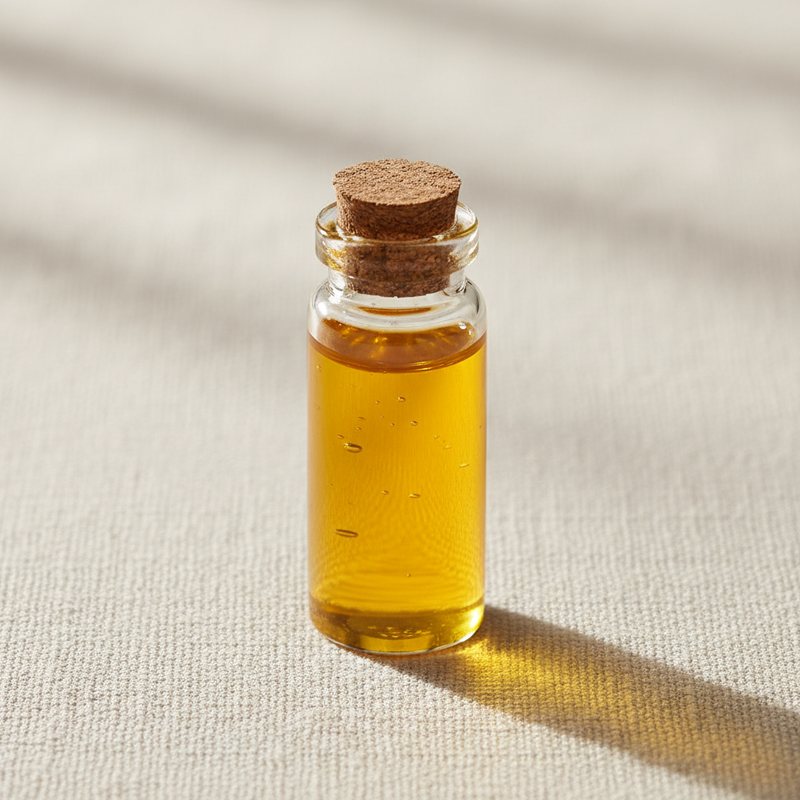
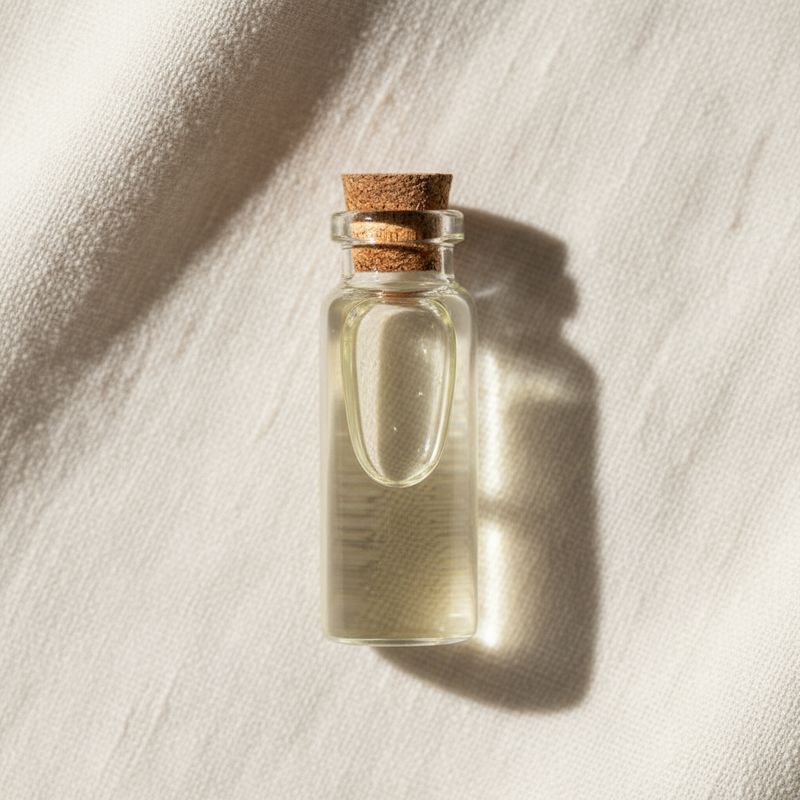
Pale yellow to amber mobile liquid with a strong, sharp, warm, spicy-herbaceous aroma. Miscible with ethanol and fixed oils; sparingly soluble in water. Carvacrol content typically ranges from 60 to 85 percent in standard food-grade oil, with thymol as the principal co-phenolic.
We supply food-grade Oregano Oil from manufacturers and traders holding ISO, Halal, Kosher and other certifications relevant to the product and production. Standard carvacrol-dominant and thymol-dominant chemotype variants are available.
Common market grades include Mediterranean Oregano (Origanum vulgare ssp. hirtum, carvacrol-dominant), Turkish Oregano, and standardized 70 to 80 percent carvacrol commercial grades. Mexican oregano (Lippia graveolens) is a botanically distinct product supplied separately.
Bulk and reduced-MOQ shipments. Batch-level COA covering specific gravity, refractive index, optical rotation, carvacrol and thymol content by GC, heavy metals, and microbiology.
Introduction
Origanum vulgare ssp. hirtum (Greek or Turkish oregano) is the commercially dominant species for high-carvacrol oregano oil. Cultivation is concentrated in Turkey, Greece, and Albania, with secondary production in Spain, Italy, and parts of North Africa.
Production proceeds by steam distillation of dried herb, yielding approximately 1 to 3 percent essential oil depending on plant chemotype and harvest timing. Carvacrol content drives commercial value, with premium grades exceeding 75 percent.
Regulated as Generally Recognized as Safe by the U.S. FDA (21 CFR 182.20), assigned FEMA GRAS number 2660, and approved by JECFA as a flavoring agent. The European Food Safety Authority recognizes oregano oil and isolated carvacrol for both flavor and zootechnical (feed additive) applications.
Principal aroma compounds are carvacrol (60 to 85 percent), thymol (1 to 10 percent), p-cymene (4 to 12 percent), and gamma-terpinene (2 to 10 percent). The high carvacrol load is responsible for documented activity against a broad range of foodborne and gut microorganisms, which underpins growing use in animal feed and natural-preservative applications.
Strategic positioning combines a traditional culinary flavor role with an expanding functional segment in dietary supplements, natural antimicrobial feed additives, and clean-label preservation systems where carvacrol activity is the value driver rather than aroma alone.
Where it is used
- Mediterranean and Italian cuisine: pizza sauces, pasta sauces, and herb seasoning blends
- Meat marinades, rubs, and processed meat seasoning systems
- Olive oil infusions and table-condiment finishing oils
- Salad dressings and vinaigrettes
- Functional foods and natural supplement applications
- Natural preservative systems for fresh and minimally processed foods
- Poultry, swine, and aquaculture feed as a phytogenic alternative to growth-promoting antibiotics
- Cosmetics, mouth rinses, and personal care positioned for antimicrobial activity
Technical data
| Item | Specification |
|---|---|
| Appearance | Pale yellow to amber mobile liquid |
| Specific gravity (20 °C) | 0.935 to 0.970 |
| Refractive index (20 °C) | 1.500 to 1.508 |
| Optical rotation (20 °C) | −2° to +5° |
| Carvacrol content (GC) | 60.0% to 85.0% |
| Thymol content (GC) | 1.0% to 10.0% |
| Solubility in 70% ethanol | 1 vol in 3 vol clear solution |
| Heavy metals (as Pb) | ≤ 10 mg/kg |
| Arsenic | ≤ 3 mg/kg |
| Source | Steam distillation of Origanum vulgare aerial parts |
Related ingredients
Ready to discuss business?
Send us your spec and requirement. We will respond with availability and pricing within 24 hours.