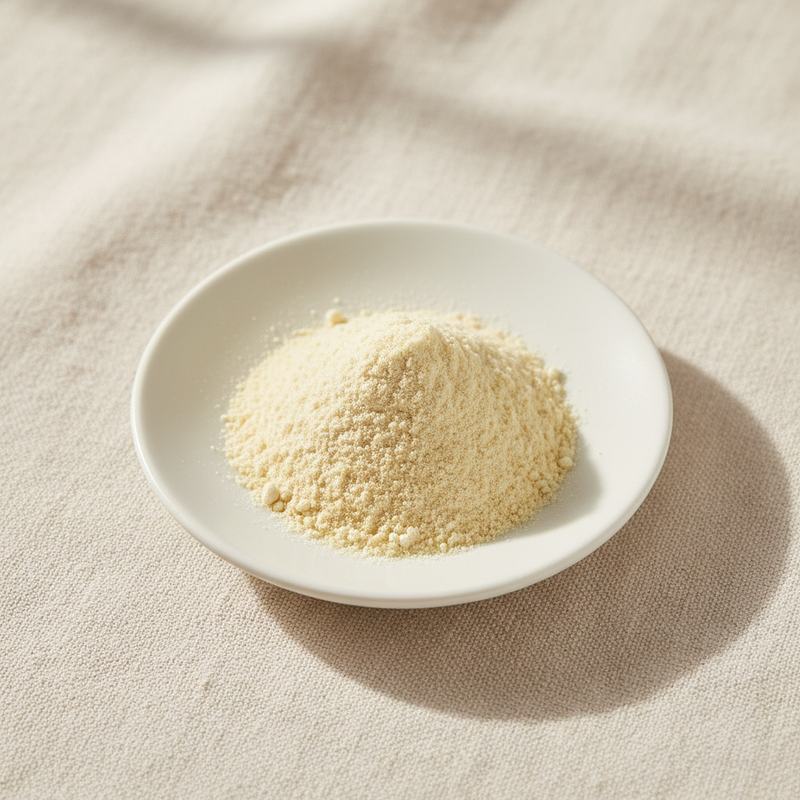
Description
Mung Bean Protein is extracted from yellow mung beans (Vigna radiata) and refined to 80 to 85 percent protein on a dry basis. Achieved global commercial profile with the launch of mung-bean-based plant egg substitutes in the late 2010s.
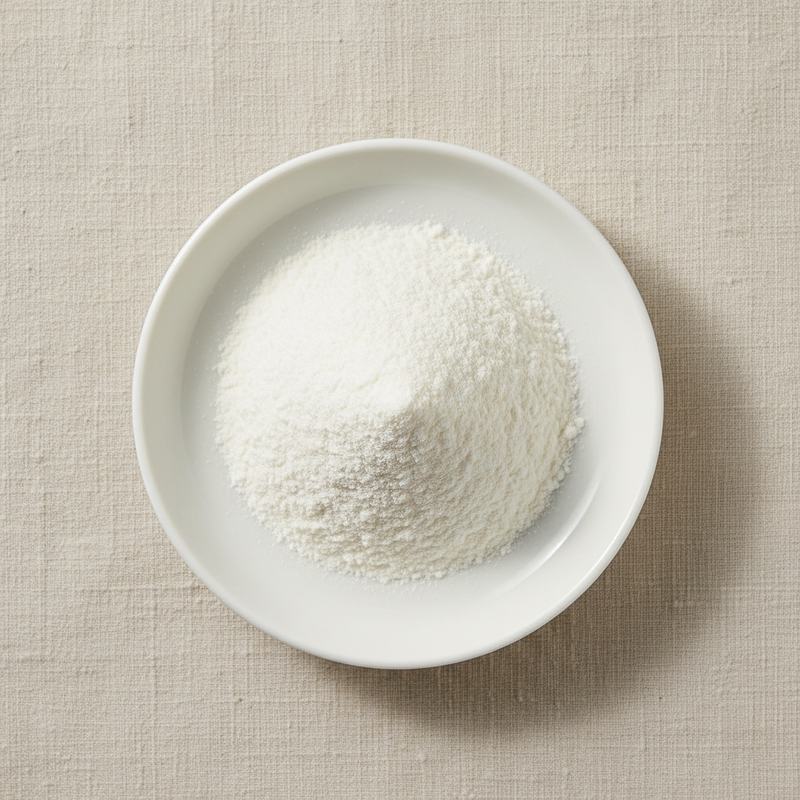
Protein content of 80 to 85 percent (Kjeldahl, N x 6.25). Light yellow to pale cream free-flowing powder with mild, neutral flavor. Functional properties include heat-set gelation behavior that emulates egg coagulation, which underpins the mung-bean plant-egg category.
The amino acid profile is complete with high lysine and BCAA content, well-balanced essential amino acid profile, and PDCAAS approaching 1.0 in fortified formulations.
We supply food-grade Mung Bean Protein from manufacturers in China holding ISO, HACCP, Halal, Kosher, non-GMO and other certifications relevant to the product and production.
Common market grades include 80 percent mung bean isolate (the dominant high-protein grade), gelation-optimized mung bean protein for plant egg products, and starch-coproduct grades from traditional mung bean noodle and starch processing. Bulk and reduced-MOQ shipments. Batch-level COA covering protein, moisture, fat, ash, heavy metals, and microbiology.
Introduction
Mung beans have been cultivated in Asia for at least 4,000 years and are traditionally consumed as sprouts, noodles (cellophane noodles produced from mung bean starch), and savory dishes. Industrial mung bean protein extraction scaled in the 2010s, with the launch of high-profile plant-based egg products bringing the ingredient to the global stage.
Manufacturing typically follows two routes. The traditional Asian route recovers mung bean protein as the co-product of cellophane-noodle starch manufacturing; the recovered protein fraction is washed and spray-dried. The modern route mirrors other legume protein production: dehulled mung beans are milled, suspended in alkaline water, the protein is solubilized, precipitated at the isoelectric point, neutralized, and spray-dried.
Recognized as a permitted food ingredient by the U.S. FDA, regulated under EU food law, and free of any of the eight major U.S. allergens or 14 EU declarable allergens.
Amino acid quality positioning: complete and well-balanced legume protein profile with leucine and lysine in nutritionally adequate amounts. The functional differentiator is the gelation behavior, which delivers an egg-coagulation-like textural transformation on heating.
Strategic positioning: mung bean protein occupies a unique formulation niche driven by its egg-replacement functionality, with high-profile branded products driving consumer recognition and commercial pull for the underlying ingredient.
Where it is used
- Plant-based egg substitutes: liquid and powdered scramble products
- Plant-based meat analogs and seafood alternatives
- Plant-based dairy alternatives and yogurts
- Bakery applications: egg replacement and binding
- Pasta and noodle fortification
- Asian noodle and dumpling applications (traditional)
- Vegan sports nutrition and protein supplements
- Nutrition bars and high-protein snacks
Technical data
| Item | Specification |
|---|---|
| Appearance | Light yellow to pale cream free-flowing powder |
| Protein content (Kjeldahl, N x 6.25, dry basis) | ≥ 80.0% |
| Moisture | ≤ 8.0% |
| Fat | ≤ 5.0% |
| Ash | ≤ 6.0% |
| Crude fiber | ≤ 1.0% |
| Particle size | 95% through 80 mesh, or per customer specification |
| Lead (Pb) | ≤ 0.5 mg/kg |
| Arsenic (As) | ≤ 0.5 mg/kg |
| Cadmium (Cd) | ≤ 0.2 mg/kg |
| Total plate count | ≤ 30,000 CFU/g |
| Salmonella | Absent in 25 g |
| Allergen statement | Free from the eight major U.S. allergens and the 14 EU declarable allergens. |
| Source | Yellow mung bean (Vigna radiata), non-GMO |
Related ingredients
Ready to discuss business?
Send us your spec and requirement. We will respond with availability and pricing within 24 hours.