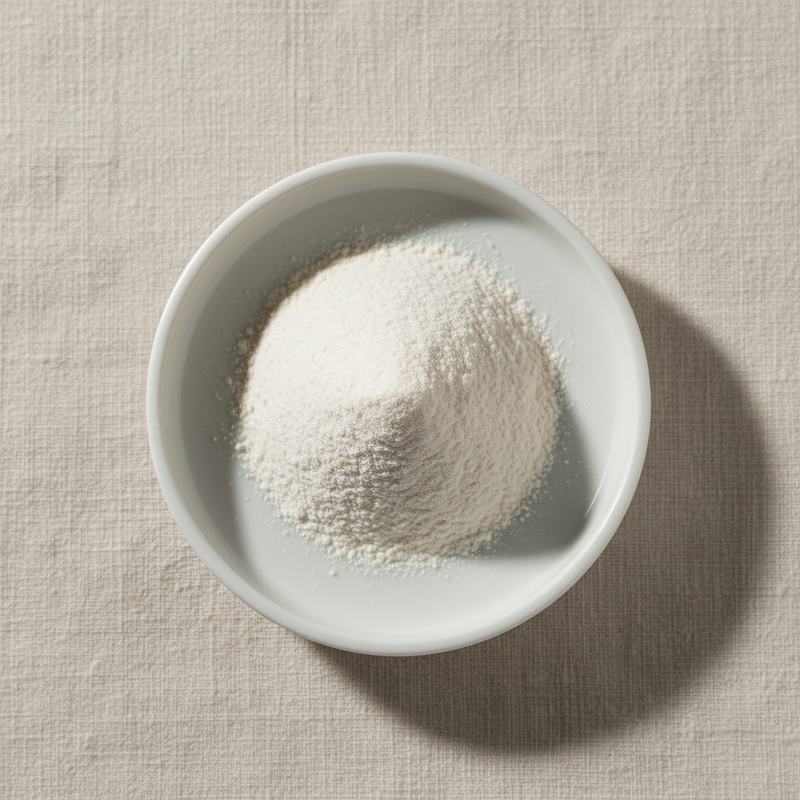
Description
Custom multi-strain probiotic blends combine selected Lactobacillus and Bifidobacterium species (and optionally Bacillus, Streptococcus, or Saccharomyces) at customer-specified ratios to deliver target CFU profiles for capsule, sachet, beverage, dairy, and pediatric applications.
Supplied as a freeze-dried or spray-dried powder with guaranteed total viability between 50 and 500 billion CFU per gram at release. Standard blends include 5, 8, 10, and 12-strain combinations with documented stability and synergistic activity.
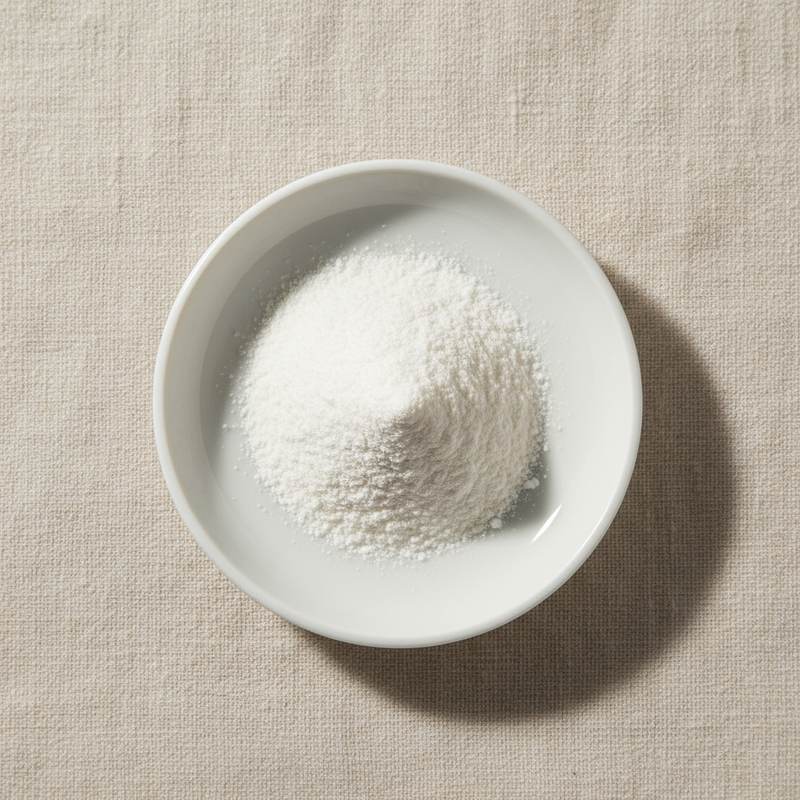
Off-white to pale beige free-flowing powder. Particle size suitable for capsule, sachet, chewable, beverage, and food fortification applications.
We supply food-grade and pharmaceutical-grade Multi-Strain Probiotic Blends from manufacturers in China holding ISO 22000, FSSC 22000, Halal, Kosher, and other certifications relevant to probiotic blending and contract manufacture.
Common formats include synbiotic blends combining probiotic strains with prebiotic fibers (inulin, FOS, GOS, XOS); postbiotic-only blends using tyndallized cells for heat-stable functional food applications; live-plus-postbiotic combination products; and pediatric-specific, women's-health, immune, and gut-brain positioned formulations. Bulk and reduced-MOQ shipments with batch-level COA covering total and per-strain viable count, strain identity verification for each component, moisture, heavy metals, and pathogen panel.
Introduction
Multi-strain probiotic blending emerged as a commercial strategy in the 1990s and 2000s as research showed complementary mechanisms across species: Lactobacillus species dominate the small intestine and acidify the upper GI tract, while Bifidobacterium species are the dominant native flora of the adult colon. Combined formulations are designed to populate both compartments and provide broader functional coverage than single-strain products.
Production proceeds by separate fermentation of each component strain to maintain identity and viability control, followed by blending in nitrogen-purged tumble mixers under controlled humidity. Blend ratios are validated by per-strain selective plate count on differential media or by qPCR for closely related strains. Final products are released against total and per-strain viable count specifications, plus full identity verification.
Regulatory status follows the constituent strains. All component species used in our blends carry GRAS notifications with FDA, Qualified Presumption of Safety listings in the European Union (where applicable), or equivalent status in Asia-Pacific markets. The International Scientific Association for Probiotics and Prebiotics (ISAPP) consensus statements on probiotic, synbiotic, and postbiotic definitions guide product positioning.
Clinical evidence for multi-strain blends includes meta-analyses showing benefit for IBS symptom relief, prevention of antibiotic-associated diarrhea, and atopic dermatitis prevention in at-risk infants. Synbiotic combinations have shown additive benefits in metabolic and immune endpoints.
Multi-strain custom blending is the highest-margin segment of the probiotic supply chain and the central offering for private-label and contract manufacturing programs serving global brand owners.
Where it is used
- Premium adult probiotic capsules and sachets
- Pediatric multi-strain drops and powders
- Women's health and urogenital microbiome formulations
- Immune and seasonal wellness products
- Gut-brain and stress-response formulations
- Synbiotic blends with prebiotic fibers
- Postbiotic functional foods and shelf-stable beverages
- Sports nutrition and recovery stacks
- Senior nutrition and antibiotic-recovery supplements
- Private-label contract manufacturing programs
Technical data
| Item | Specification |
|---|---|
| Appearance | Off-white to pale beige free-flowing powder |
| Total viable cell count | ≥ 100 billion CFU/g (50B, 100B, 200B, 500B grades) |
| Strain identity | Each component confirmed by 16S rRNA or strain-specific PCR |
| Blend uniformity | Per-strain CFU within ±20% of target across sub-samples |
| Moisture (loss on drying) | ≤ 5.0% |
| Particle size | ≥ 95% through 80 mesh |
| Heavy metals (as Pb) | ≤ 1 mg/kg |
| Arsenic | ≤ 0.5 mg/kg |
| Salmonella | Absent in 25 g |
| E. coli | Absent in 10 g |
| Staphylococcus aureus | Absent in 10 g |
| Yeast and mold | ≤ 50 CFU/g (live blends with Saccharomyces excluded) |
| Shelf life | 24 months from manufacture under recommended storage |
| Storage | −18 °C sealed; 2 to 8 °C after opening |
Related ingredients
Ready to discuss business?
Send us your spec and requirement. We will respond with availability and pricing within 24 hours.