Description
A premium standardized extract of Mulberry leaf (Morus alba) containing 1-Deoxynojirimycin (DNJ), a natural iminosugar alpha-glucosidase inhibitor. The compound is the principal active for glucose-metabolism applications and the marker compound used in clinical research on Mulberry leaf supplementation.
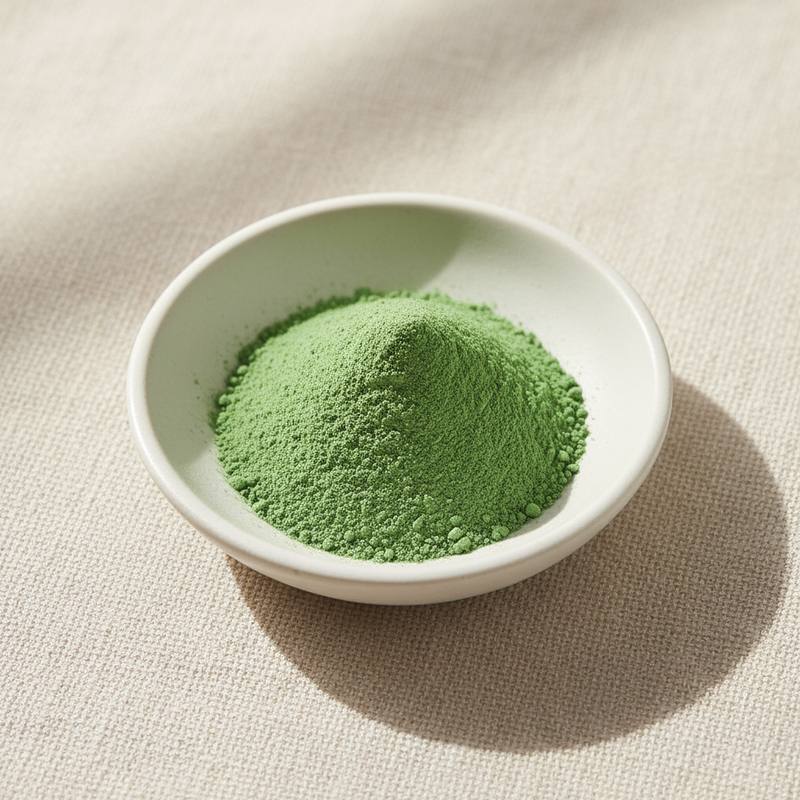
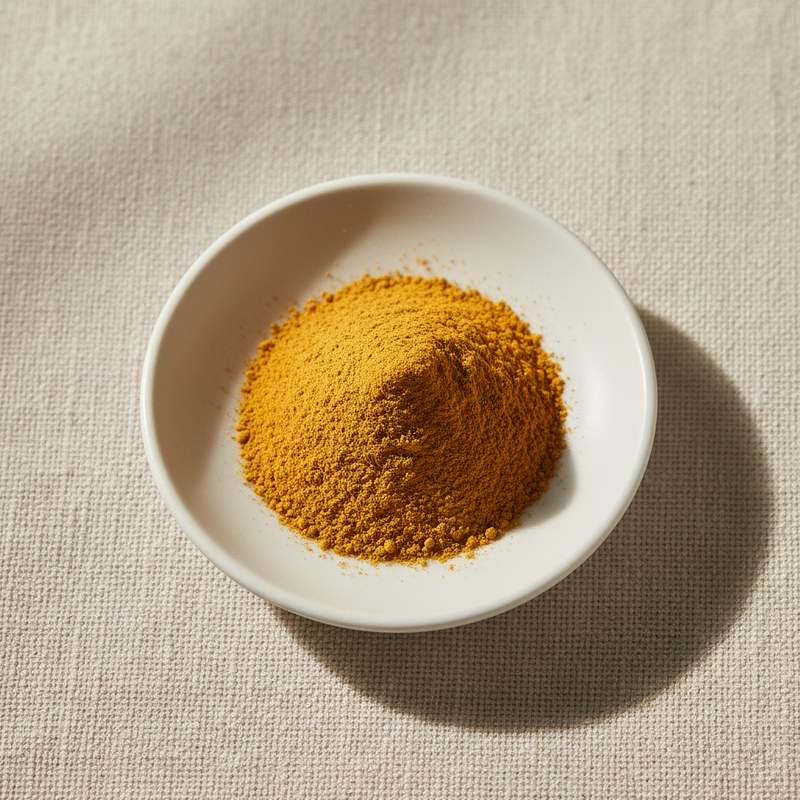
Light green to yellow-brown free-flowing powder. Highly water-soluble.
We supply food-grade Mulberry Leaf 1-Deoxynojirimycin from manufacturers in China holding ISO, Halal, Kosher and other certifications relevant to the product and production.
Companion market grades include 1 percent DNJ (cost-effective baseline), 2 percent DNJ (standard supplement grade), 5 percent DNJ (premium grade), 10 percent DNJ (high-end concentrated grade), and Pure DNJ 98 percent or higher (the pharmaceutical-feedstock grade).
Bulk and reduced-MOQ shipments. Batch-level COA covering DNJ content (HPLC), total flavonoids, total polysaccharides, residual solvents, heavy metals, pesticides, and microbiology.
Introduction
Mulberry leaf has been used in Traditional Chinese Medicine for over 2,000 years for diabetic and metabolic complaints, with the systematic identification of DNJ as the principal active in the late 20th century enabling standardized supplement applications.
Industrial production proceeds by hot-water extraction of dried Mulberry leaves, followed by ion-exchange chromatography to concentrate the iminosugar fraction (DNJ is highly water-soluble and not retained by conventional polyphenol-targeted extraction processes).
Recognized as a permitted food ingredient by the U.S. FDA, the European Food Safety Authority, and equivalent regulators worldwide. Approved as a Food for Specified Health Use (FOSHU) ingredient in Japan for post-meal glucose claims.
DNJ acts as a competitive inhibitor of intestinal alpha-glucosidase enzymes, slowing the digestion of starch and disaccharides and reducing post-meal glucose excursion. The mechanism is similar to but milder than the pharmaceutical alpha-glucosidase inhibitor acarbose. Clinical evidence supports applications in post-meal glycemic response at supplement doses.
Strategic positioning targets the glucose-metabolism supplement segment specifically, with the DNJ standardization supporting differentiated clinically-positioned products over generic Mulberry leaf extracts.
Where it is used
- Glucose-metabolism and blood-sugar-support dietary supplements (the leading clinically-supported application)
- Post-meal glycemic-response supplement formulations
- Weight-management and metabolic-syndrome supplement formulations
- Functional foods: glycemic-modulation positioned foods and beverages in Japan and Asian markets
- Diabetic-positioned supplement applications
- Combination supplements with Berberine, Cinnamon polyphenols, and other glucose-support actives
- Traditional Chinese Medicine product formulations
- Pharmaceutical research applications
Technical data
| Item | Specification |
|---|---|
| Appearance | Light green to yellow-brown free-flowing powder |
| 1-Deoxynojirimycin content (HPLC) | 1% / 2% / 5% / 10% / 98% (grade dependent) |
| Total flavonoids | ≥ 5% (standard grades) |
| Loss on drying | ≤ 6.0% |
| Residue on ignition | ≤ 8.0% |
| Heavy metals (as Pb) | ≤ 2 mg/kg |
| Total plate count | ≤ 10000 cfu/g |
| Source | Morus alba leaves |
Related ingredients
Ready to discuss business?
Send us your spec and requirement. We will respond with availability and pricing within 24 hours.