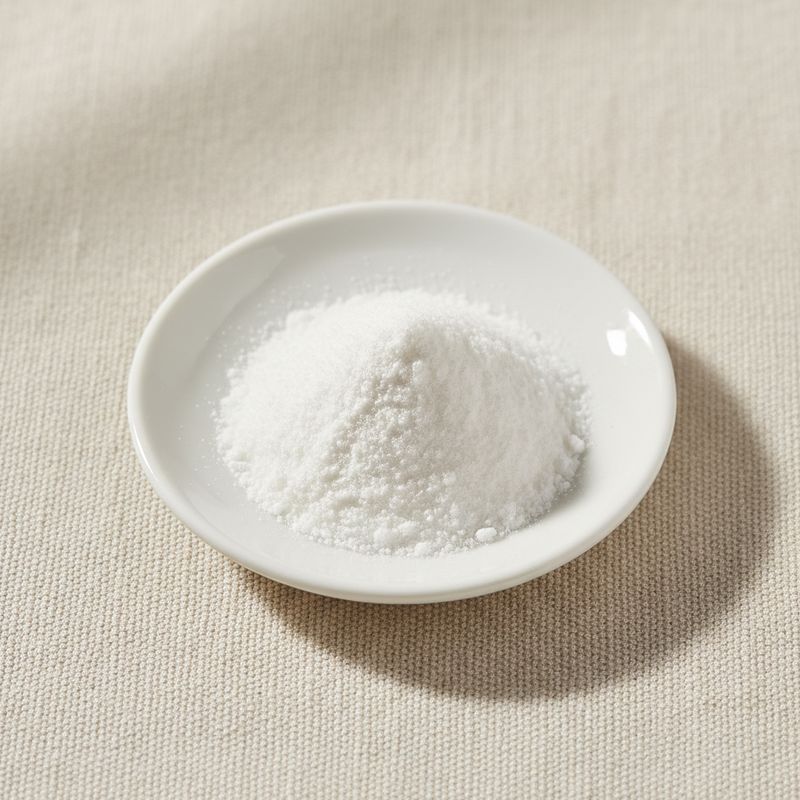
Description
An organic molybdenum amino acid chelate produced from sodium molybdate and glycine, supplying approximately 2 to 5 percent elemental molybdenum by weight depending on the chelate ratio specification. Used as a premium molybdenum source in multi-mineral supplements and animal feed applications.
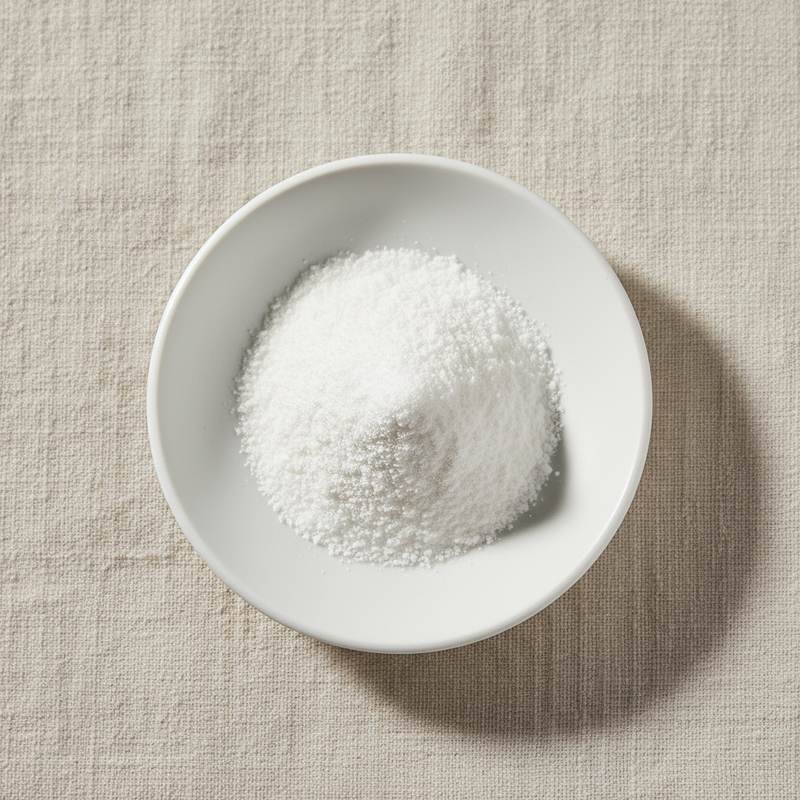
Off-white to pale beige free-flowing powder, partially soluble in water. Neutral taste and odor suitable for capsule, tablet, and feed premix applications.
We supply food-grade and feed-grade Molybdenum Glycinate from manufacturers in China holding ISO, FSSC 22000, Halal, Kosher, and other certifications relevant to the product and production.
Common market grades include 2 percent and 5 percent elemental molybdenum chelate powders, premium amino acid chelate grades, fine-mesh grade for powdered beverages, and feed-grade premixes. Bulk and reduced-MOQ shipments with batch-level COA covering assay, elemental molybdenum, heavy metals, and microbiology.
Introduction
Molybdenum is an essential trace element and the metal cofactor of four mammalian enzymes: sulfite oxidase, xanthine oxidase, aldehyde oxidase, and the mitochondrial amidoxime-reducing component. These enzymes catalyze critical detoxification reactions including the oxidation of sulfite to sulfate, of purines to uric acid, and of various xenobiotics. Dietary deficiency is rare but has been documented in patients on long-term parenteral nutrition without molybdenum supplementation.
Industrial production uses reaction of sodium or ammonium molybdate with glycine in aqueous solution under controlled pH, followed by precipitation, washing, and drying. The chelate is typically supplied at a 2 to 5 percent elemental molybdenum loading on a glycine carrier matrix, with chelate confirmation by infrared spectroscopy.
Regulatory status includes recognition as a permitted source of molybdenum in food supplements under EU Regulation 1925/2006 and Directive 2002/46/EC subject to upper intake limits, GRAS notifications with FDA for specific commercial articles, and authorization as a feed additive under EU Regulation 1831/2003 for several animal species.
Bioavailability of molybdenum from glycinate is high (greater than 80 percent fractional absorption) and is comparable to inorganic sodium molybdate, with the chelate format offering improved palatability and reduced potential for gastrointestinal irritation in concentrated supplement applications.
Where it is used
- Molybdenum supplements in multivitamin and multi-mineral tablets
- Sulfite sensitivity and detoxification support formulations
- Multi-mineral premium supplement stacks
- Liver health and phase I/II detoxification supplements
- Functional foods and fortification premixes
- Animal feed molybdenum supplementation
- Gout adjuvant nutrition (clinical context)
- Pediatric multi-mineral supplements
- Senior nutrition for trace mineral coverage
Technical data
| Item | Specification |
|---|---|
| Appearance | Off-white to pale beige free-flowing powder |
| Assay (chelate basis) | ≥ 98.0% |
| Elemental molybdenum | 2.0 to 5.0% w/w (customer-specified) |
| Glycine content | Balance carrier |
| Chelate confirmation | Positive by IR spectroscopy |
| Loss on drying | ≤ 5.0% |
| Particle size | ≥ 95% through 80 mesh |
| Heavy metals (as Pb) | ≤ 5 mg/kg |
| Arsenic | ≤ 1 mg/kg |
| Cadmium | ≤ 0.5 mg/kg |
| Mercury | ≤ 0.1 mg/kg |
| Total plate count | ≤ 1000 CFU/g |
| Salmonella | Absent in 25 g |
| Shelf life | 36 months from manufacture under recommended storage |
| Storage | Cool, dry, sealed |
Related ingredients
Ready to discuss business?
Send us your spec and requirement. We will respond with availability and pricing within 24 hours.