Description
Lime Oil is a food-grade citrus essential oil obtained from Citrus aurantiifolia (Key lime) or Citrus latifolia (Persian lime) by either cold-pressing or steam distillation. The two production methods yield sensorially distinct oils with different commercial applications.
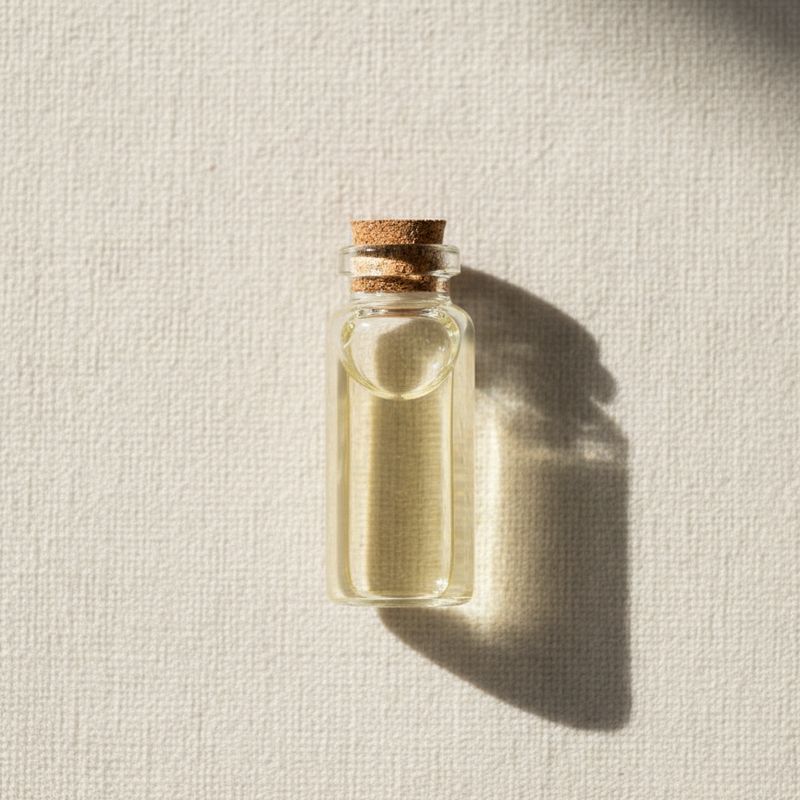
Cold-pressed Lime Oil is pale yellow to olive green with a fresh, peel-like lime aroma. Steam-distilled Lime Oil is colorless to pale yellow with a cleaner, more candy-like lime profile and is the standard choice for cola formulation. Both grades miscible with ethanol and fixed oils.
We supply food-grade Lime Oil from manufacturers and traders holding ISO, Halal, Kosher and other certifications relevant to the product and production. Cold-pressed, distilled, folded, and terpene-reduced grades are available.
Common market grades include Cold-Pressed Persian Lime, Cold-Pressed Key Lime, Distilled Lime Oil (cola-grade), Folded 5x and 10x, and Terpene-Reduced grades.
Bulk and reduced-MOQ shipments. Batch-level COA covering specific gravity, refractive index, optical rotation, limonene and citral content, heavy metals, and microbiology.
Introduction
Lime essential oil is produced commercially in Mexico, Peru, Brazil, and parts of West Africa and India. Mexico is the dominant origin for both cold-pressed and distilled grades, and Peru leads in Persian lime cold-pressed oil.
Two production methods yield distinct products. Cold-pressing the peel of fresh limes produces an oil rich in oxygenated compounds and aldehydes, with a fresh peel-like aroma. Steam distillation of crushed whole limes produces a clearer oil dominated by terpenes, with the candy-like profile preferred for cola.
Regulated as Generally Recognized as Safe by the U.S. FDA (21 CFR 182.20), assigned FEMA GRAS numbers 2631 (distilled) and 2632 (expressed), and approved by JECFA as a flavoring agent.
Principal aroma compounds in cold-pressed oil are limonene (45 to 60 percent), gamma-terpinene (8 to 15 percent), beta-pinene (10 to 20 percent), and citral (4 to 10 percent). Distilled oil carries higher limonene (50 to 65 percent) with reduced citral due to acid-catalyzed rearrangement during distillation.
Strategic positioning splits between beverage applications, where distilled oil dominates cola and citrus soda formulation, and the natural and craft segment, where cold-pressed oil delivers fresh-peel character to artisanal beverages, confectionery, and cocktails.
Where it is used
- Cola formulation; distilled lime oil is the citrus signature of major cola brands worldwide
- Lime-flavored carbonated beverages, sports drinks, and ready-to-drink cocktail mixes
- Confectionery: lime hard candies, gummies, and sour candy systems
- Margarita, mojito, and gimlet cocktail mixes and bitters
- Bakery: key lime pie filling, lime cookies, and frostings
- Frozen desserts: lime sorbets, ice cream, and frozen lemonade mixes
- Salsa, ceviche-style sauces, and citrus marinades
- Cosmetics and aromatherapy: shower gels and uplifting blends
Technical data
| Item | Specification |
|---|---|
| Appearance | Pale yellow to olive green (pressed) or colorless to pale yellow (distilled) mobile liquid |
| Specific gravity (20 °C) | 0.855 to 0.880 |
| Refractive index (20 °C) | 1.474 to 1.486 |
| Optical rotation (20 °C) | +34° to +52° |
| Limonene content (GC) | 45.0% to 65.0% |
| Citral content (pressed) | 4.0% to 10.0% |
| Solubility in 90% ethanol | 1 vol in 5 vol clear solution |
| Heavy metals (as Pb) | ≤ 10 mg/kg |
| Arsenic | ≤ 3 mg/kg |
| Source | Cold-pressing or steam distillation of Citrus aurantiifolia / C. latifolia fruit |
Related ingredients

Ready to discuss business?
Send us your spec and requirement. We will respond with availability and pricing within 24 hours.