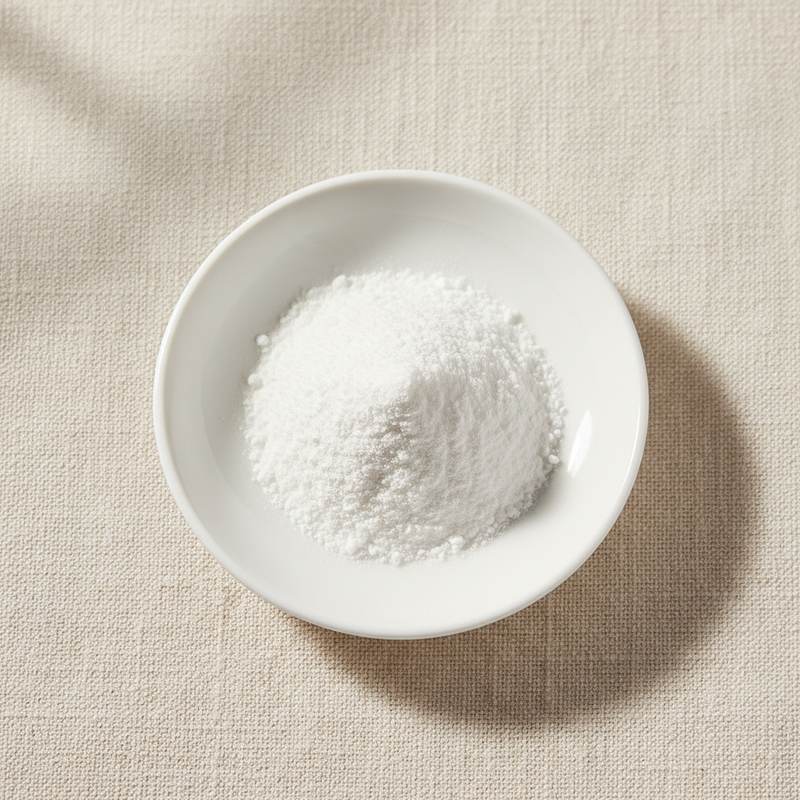
Description
A naturally occurring sulfur-containing amino acid derivative produced exclusively by fungi and certain bacteria, accumulated in mushroom tissue and dietary sources by way of an active transporter (OCTN1) that is expressed in most mammalian tissues. A dedicated longevity antioxidant with no de novo biosynthesis in animals.
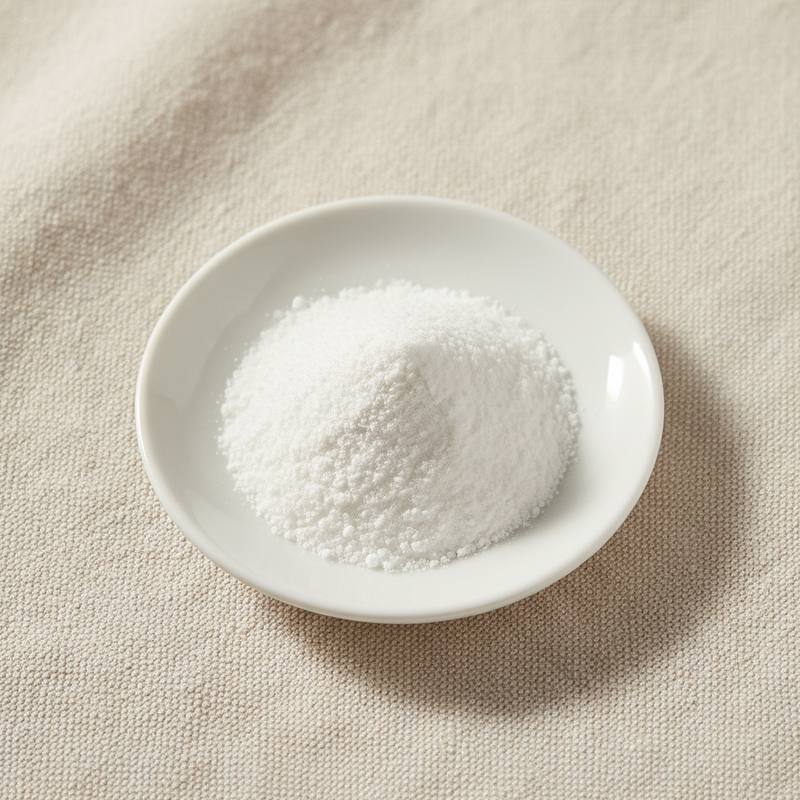
White to off-white crystalline powder. Highly water-soluble. Exceptionally stable: the molecule resists oxidation under conditions that destroy comparable antioxidants and remains stable across the full beverage and food-processing pH and temperature range.
We supply food-grade L-Ergothioneine from manufacturers in China holding ISO, Halal, Kosher and other certifications relevant to the product and production. Material is produced by fermentation using engineered E. coli or fungal hosts, delivering the natural L-isomer at high purity.
Common market grades include 98 percent and 99 percent purity L-Ergothioneine. Mushroom-extract grades standardised on Ergothioneine content are supplied separately for clean-label and whole-food positioning. The fermentation-derived material commands strong technical preference for premium supplement use given purity and traceability.
Bulk and reduced-MOQ shipments. Batch-level COA covering assay, optical rotation, related substances, residual solvents, heavy metals, and microbiology.
Introduction
L-Ergothioneine was first isolated from ergot fungus by Charles Tanret in 1909. The molecule remained a biochemical curiosity until the 2005 identification of the OCTN1 transporter (SLC22A4) as a dedicated cellular uptake system, which established Ergothioneine as the only known dietary antioxidant with a dedicated mammalian transporter and led directly to the longevity-vitamin hypothesis proposed by Bruce Ames and colleagues.
Commercial supply was historically constrained to mushroom-extract material at single-digit-percent content. The commercial breakthrough came with fermentation-based production by engineered E. coli and Aspergillus strains, which has reduced the per-gram cost by orders of magnitude over the past decade and made supplement-relevant doses commercially feasible.
Recognised as Generally Recognized as Safe by the U.S. FDA (GRAS notice GRN 734 accepted in 2018 for fermentation-derived L-Ergothioneine), approved as a Novel Food in the EU (EFSA opinion 2017), and recognised as a permitted food ingredient in Japan, where the molecule has the longest history of supplement and beverage use globally.
The principal commercial value proposition is the longevity-vitamin hypothesis: dedicated cellular uptake, tissue-specific accumulation (highest in liver, kidney, erythrocytes, and lens), and association of low plasma levels with frailty, cognitive decline, and cardiovascular disease in epidemiological studies. The molecule is functionally a conditional vitamin in this framework.
Ergothioneine accumulates in mammalian tissue to millimolar concentrations through OCTN1-mediated uptake, with a half-life of approximately 30 days that supports once-daily or even less-frequent dosing. The longevity-supplement category has positioned the ingredient as a foundational rather than incremental addition.
Where it is used
- Longevity and anti-aging supplements; the defining commercial positioning following the longevity-vitamin hypothesis literature
- Premium cognitive and neuroprotective supplements
- Cardiovascular-health formulations targeting vascular endothelium
- Antioxidant supplements positioned at the premium tier above conventional vitamins C and E
- Skin-health and photoprotection formulations; topical anti-aging serums
- Eye-health supplements; the lens and retina express OCTN1 at high density
- Liver-support and detoxification formulations
- Premium functional foods and wellness beverages
- Fertility supplements; the molecule concentrates in semen and ovarian tissue
Technical data
| Item | Specification |
|---|---|
| Appearance | White to off-white crystalline powder |
| Assay (HPLC, dry basis) | ≥ 98.0% |
| Specific rotation (L-isomer confirmation) | +115° to +125° |
| Loss on drying | ≤ 0.5% |
| Residue on ignition | ≤ 0.2% |
| Heavy metals (as Pb) | ≤ 5 mg/kg |
| Arsenic | ≤ 1 mg/kg |
| Residual solvents | Meets ICH Q3C limits |
| Microbiology | Meets pharmacopoeial limits; absence of Salmonella and E. coli |
| Storage | Sealed, cool dry conditions, protected from light |
Related ingredients
Ready to discuss business?
Send us your spec and requirement. We will respond with availability and pricing within 24 hours.