Description
A formaldehyde-releasing preservative used historically as a urinary antiseptic and currently approved in specific food applications, most notably the preservation of Provolone cheese under EU regulations. Releases formaldehyde in acidic environments, generating the active antimicrobial agent in situ.
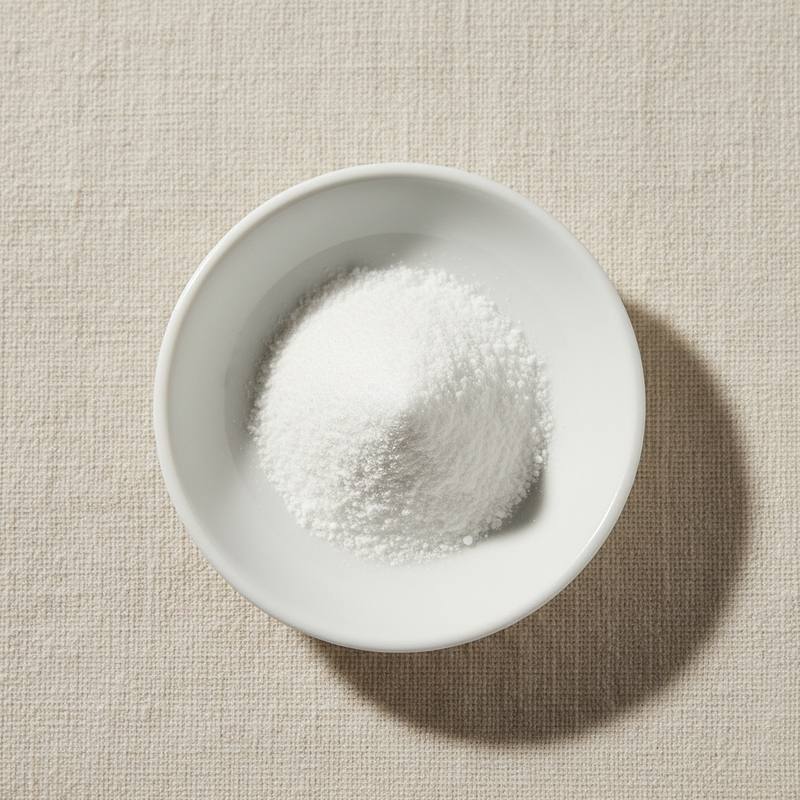
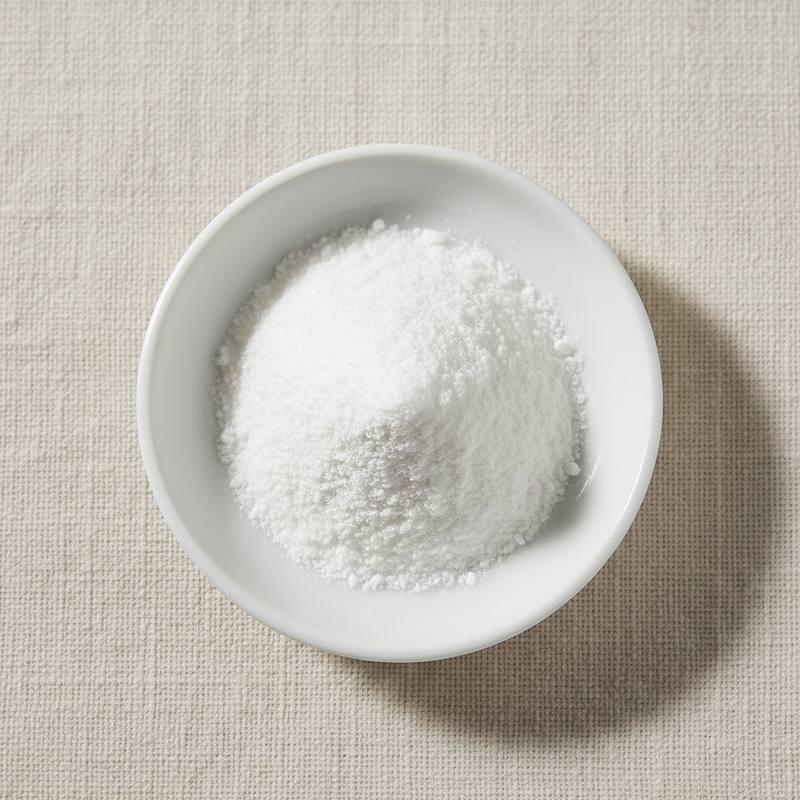
Colorless to white crystalline powder, faintly fishy odor of free amine. Highly water-soluble (approximately 850 g/L at 20 °C). Sublimes above 263 °C without melting.
We supply food-grade, pharmaceutical-grade, and industrial-grade Hexamethylenetetramine from manufacturers in China holding ISO, Halal, Kosher and other certifications relevant to the product and production.
Common market grades include Food Grade (FCC compliant, restricted to approved food categories), Pharmaceutical Grade meeting BP/USP/EP specifications for urinary tract antiseptic use, and Industrial Grade as a curing agent for phenol-formaldehyde resins and an explosive precursor.
Bulk and reduced-MOQ shipments. Batch-level COA covering assay, ammonium salts, heavy metals, and microbiology.
Introduction
Hexamethylenetetramine was first synthesized in 1859 by Aleksandr Butlerov by reaction of formaldehyde with ammonia. The compound has been used as a urinary tract antiseptic since the early 1900s and remains listed in pharmacopoeias for that purpose. Food use is restricted globally and has been progressively narrowed over recent decades.
Industrial production proceeds by reaction of formaldehyde with ammonia in aqueous solution, followed by evaporation and crystallization. The Mannich-type cage structure is unusually stable as a solid but liberates formaldehyde under acidic conditions, the property that drives both its preservative function and the regulatory caution surrounding food use.
Regulated as E239 in the EU with use restricted to surface treatment of Provolone cheese at maximum 25 mg per kg residual formaldehyde, withdrawn from US food-use approval, listed in BP, USP, and EP pharmacopoeias for medical use, and approved by JECFA only within the limited food applications.
The molecule's antimicrobial mechanism operates through controlled hydrolysis to formaldehyde in acidic environments, with formaldehyde as the active antimicrobial agent. Activity is broad-spectrum but the practical use range is constrained by the formaldehyde-release toxicology profile.
Strategic positioning is narrow in food applications and centered on the traditional EU Provolone cheese category, where Hexamethylenetetramine has been used since the early twentieth century and remains the historically established preservative. Industrial and pharmaceutical demand dominates total volume, with food use representing a small fraction of global production.
Where it is used
- Provolone cheese preservation: the only approved food use in the EU, at maximum 25 mg per kg as residual formaldehyde
- Caviar preservation: approved in specific markets at restricted levels
- Pharmaceutical urinary tract antiseptic: oral administration releases formaldehyde in acidic urine
- Industrial curing agent for phenol-formaldehyde and urea-formaldehyde resins
- Rubber industry accelerator for vulcanization
- Corrosion inhibitor in pickling and metal cleaning
- Solid fuel tablets for camping and military field use
- Explosives precursor for RDX and HMX in defense applications
- Textile and leather chemicals
Technical data
| Item | Specification |
|---|---|
| Appearance | Colorless to white crystalline powder |
| Assay (dry basis) | 99.0% to 100.5% |
| Loss on drying | ≤ 0.5% |
| Residue on ignition | ≤ 0.05% |
| Ammonium salts | Passes test |
| Chloride | ≤ 100 mg/kg |
| Sulfate | ≤ 200 mg/kg |
| Heavy metals (as Pb) | ≤ 10 mg/kg |
| Arsenic | ≤ 3 mg/kg |
Related ingredients
Ready to discuss business?
Send us your spec and requirement. We will respond with availability and pricing within 24 hours.